Safety Protocols Every Contractor Should Follow

Contractors have a big job on their hands, and their commitment to fine work is necessary for the smooth completion of a project. Each contractor is responsible for all the tasks and roles entrusted to them and something that is discussed mutually. However, how can a contractor guarantee that all project tasks will work through the right balance and end up well? 

In such a guarantee, safety plays a crucial role. The staff and team working on a project can only guarantee timely completion of activity as long as they remain safe, healthy, and active on the tasks. Ensuring staff and team security is the primary responsibility of a contractor. And top contractors such as Silver Foundation take full responsibility for all safety protocols and measures as per standards.

The Importance of Safety Protocols

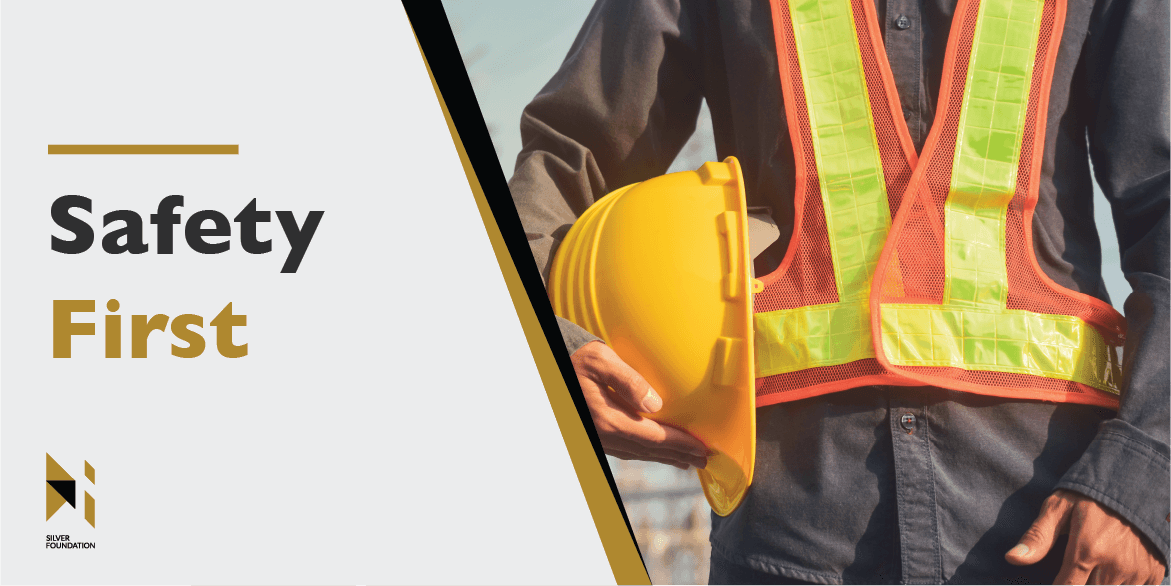
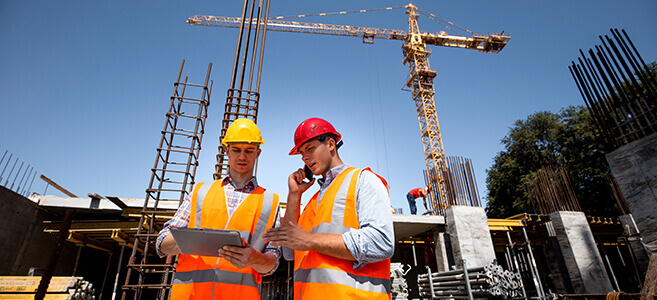
Safety is a primary and preamble part of any project, let alone a construction project. The reason is that construction and other manufacturing projects and processes involve a high degree of labor involvement that poses a natural threat to everyone involved. For this, proper safety protocols and procedures must be implemented. For example, the placing of safety personal protective equipment before the start of production areas is not only necessary and a good practice but it develops an awareness among the staff regarding danger that may be ahead. 

All similar safety protocols, activities, and awareness are necessary to ensure a safe and smooth environment for work. This is because safe work guarantees the timely completion of work. Below, we highlight different safety protocols and measures that are commonly found in world-class project sites. 

Lead by Example

The first and foremost safety protocol for any project site and team is for the leader to lead by example. In the case of construction projects, it is the contractor that has to lead by example and show how different safety PPEs help everyone at work. Also, the contractor must further emphasize the importance of following safety measures at work areas. 

For this, the contractor has to follow and depict the right way of working alongside keeping safety measures and protocols intact and thus ensuring everyone follows the same. Whenever a leader lays the foundation of a strong ethical work environment, only then do the juniors follow. Hence, contractors, being the leaders, must lead by example.

Develop a Comprehensive Safety Plan

Safety plans can be of various types, from an annual training plan or a document that depicts the importance of all safety protocols. During construction projects, it is the safety document that is handed to all associates and staff to describe and predict what has to be the primary response in case of any danger or potential risk. 

Safety plans are carefully crafted and documented to ensure that everything is in order. Whenever there is a safety accident, there are comprehensive safety plans that offer everyone a stepwise guide regarding the next procedures for a safe evacuation, work continuation, and workplace safety. Devising a safety plan is necessary for any contractor to ensure that the project team is in safe hands.

Proper Training of Staff

Safety plans do contain a section of a comprehensive training plan for all the project associates regarding safety measures. Either before beginning a project or during the project, the contractor is responsible for giving extensive, detail-oriented, and meaningful training to associates that will guide them regarding safety measures to be taken care of regarding the current project. 

Providing these training further improves the workflow of the associates and guides them on how they can manage the tasks while keeping safety protocols intact. In essence, undertaking comprehensive training sets the associates well-prepared for all the work ahead and paves the way for future learning as well. 

Enforcing PPEs

PPEs or Personal Protective Equipment are common these days. Their presence is more mandatory just as their use. Numerous upgrades are being made to such an extent that what should be the proper placement for all PPEs? In essence, PPEs are all the necessary protective equipment that staff and associates can make use of while performing different project tasks.

However, having and placing PPEs may be a difficult task, but enforcing them is highly effective and essential. Enforcement of PPEs involves hard work from the contractor and also requires good input so the staff and labor know of its importance. This is one of the key works of any contractor when the need is to ensure that the staff does not bypass safety protocols and measures. 

Regular Inspection of Equipment

Not everything is related to associates’ work ethics and safety equipment, but it is also important for the contractor to establish an inspection system of equipment and tools. Project operations take place through various tools and equipment, each of a different nature and dynamics. For this, a regular inspection system must be carried out based on safety parameters and inspection standards. 

Having such a system adds to the safety enhancement and improvement of the system since the contractor and their team have a safe working environment. Furthermore, undergoing regular inspection keeps the equipment and tools operational and free from defects, even if some may arise during inspection. 

Implement Fall Prevention Measures

It is imperative and understood that construction projects do involve working at heights for most parts of the project phases. For this, associates are required to perform the task though with minimal support. However, the support must not be minimal when it comes to their personal safety and fall protection. There are numerous cases where safety negligence has caused fatal accidents involving people falling from heights due to various reasons. 

But a responsible contract and project leader it is essential that they implement harnesses, fall protection, guardrails, and safety nets. Other modern and advanced safety measures may be implemented for improved safety of the associates that are directed to work at heights. 

Cleanliness

Safety is directly linked to cleanliness. A clean workspace is another name for a safe workspace, and there are various ways to support this argument. A clean and tidy workspace is always easy to inspect for even minor errors and drawbacks and offers a cleaner vision for enhanced safety measures and protocols. 

Such clean areas improve even minor defects that may not be even hard; however, their presence feels untidy. For this, great places of work are always clean to have a look at whether there is any further room for improvement. In contrast, a cluttered workspace does not feel welcome to even look at it and thus hides potential risks, failures, and drawbacks. 

Management of Hazardous Material

The best thing or an added safety measure beforehand for project staff is that different types of hazardous materials are labeled on bags and packaging. What this does is that it offers the project staff a beforehand understanding and knowledge of how these materials must be handled. 

But this beforehand knowledge and understanding is imparted to them through an experienced contractor. Contractors are responsible for providing necessary guidelines to them regarding various safety protocols and measures of how these materials must be handled, inspected, and stored alongside their labelling and disposal methods. 

Monitor Weather Conditions

Construction projects are not always meant for indoors but also for outdoor work for which keeping an eye on weather is an utmost necessity. Weather conditions play a critical part in any construction project and phase, especially outdoor work. For this, it is not advisable to completely shut off the production or completely allow the work during bad weather under open sky. 

Rather, the project contractor must make a suitable plan regarding what types of weather permit the outdoor work operations to be held, whereas not permitting outdoor work when the weather is adverse. Contractors must keep natural calamities in check while allotting any type of work. 

"Conclusion"

Safety is an essential part of our lives. In the world of work, construction projects are highly critical forms of jobs and they require safety protocols implementation of the highest order. Safety protocols involve plans, training, measures, equipment, following rules, and ensuring everything is considered before a task is planned, handed over, and worked upon. 

Contractors, being project leaders, are at the forefront of any project. For this, their management and involvement in safety measures implementation is highly critical. There are many cases and incidents where contractors make light of safety protocols, and the staff follows the same, resulting in fatal losses of life and equipment. However, top contractors such as Silver Foundation do not compromise on safety measures and thus remain highly popular.  

أسئلة مكررة

What are three basic safety rules for any type of work?

The three basic safety rules for any type of work include following safety work instructions, wearing PPEs whenever necessary, and conducting proper inspections before operating any equipment. 

How important is cleanliness to safety?

A clean and tidy workspace is always easy to inspect for even minor errors and drawbacks and offers a cleaner vision for enhanced safety measures and protocols. 

How does a contractor improve safety for workers working at heights?

Contractors may implement harnesses, fall protection, guardrails, safety nets, and other modern and advanced safety measures.

What are PPEs?

Personal Protective Equipment or PPEs are all the necessary protective equipment that staff and associates can make use of while performing different project tasks.

How important is safety training?

Providing safety training to associates guides them regarding safety measures to be taken care of regarding the current project.
The Impact Of Modern Technology On Contracting Services

Modern ways of doing work are sophisticated and involve fun. It is not mediocre to think of fun when it is actually helping you significantly in many ways. Construction projects are increasing day in and day out, with most countries shifting to infrastructural development. Countries like Saudi Arabia were known to be rich in oil and money but their transformation to a tourism hub is showing the world why diversification is necessary. The impact of technology in this regard is immense, and it is a positive gesture to have technology mixed with construction services. 

Construction work may look complex and simple alike, but with the addition of technology, it becomes streamlined. Technology is always directed at making your life easier and smoother. For this, contractors are the first ones to get hold of these useful tools. Tech and construction have solved great problems for contractors, and modern tech is helping contractors with visualization, planning, execution, and problem solving alike. So, what are the actual benefits that companies like Silver Foundation enjoy by using tech? Let’s decode them.

Technology and Innovation 

Technology is at the forefront of the future in any business and project. With the introduction of technology, it is vastly possible that you simply get help for any task ahead. In the construction world, much of the debate is regarding how to get things, store them, manage them, and keep a record of it all. If not done well, there is a debate, and a new chapter opens. For this, it is imperative that the contractors either become smart enough to keep their eyes open or switch to tech to give minimal input and get it all sorted out. Technology can be through equipment, tools, and software when it comes to managing a construction project, and the latter is at the heart of it. Software is the best helper for contractors when it comes to project management. And below, all the impact of technology over contracting services is through technical software technically. 

On-Site Efficiency Advancements 

As you know, construction projects are on-site projects. Hence, everything to be managed and assembled has to be done at the construction site. Thus, increasing the construction site’s efficiency is the necessary thing to do and contractors must manage to get the work done on time with all the available resources. But also, there are many cases and incidents when the actual labor and workforce cannot do the entire task without external help or at the stipulated time. And what contractor is worth it if they cannot look for a permanent solution to this ever-existing problem? 

Robotics and Automation On-Site 

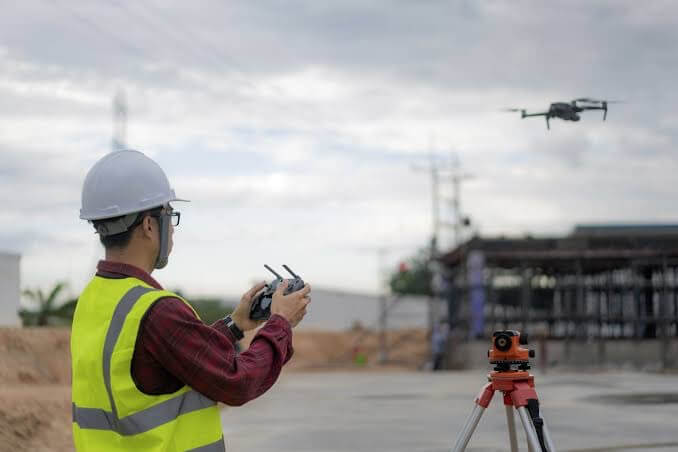
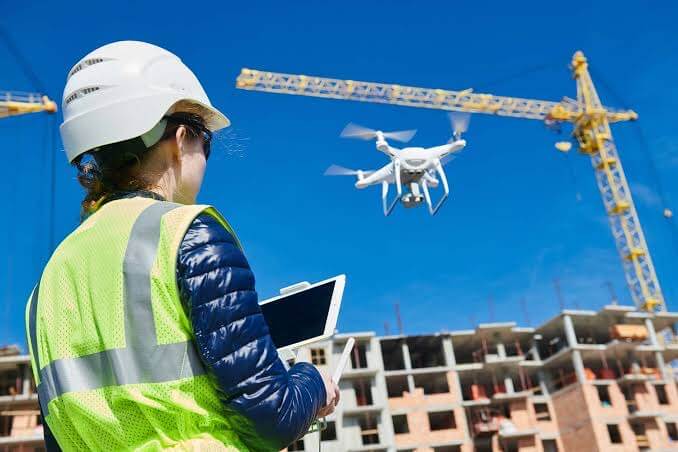
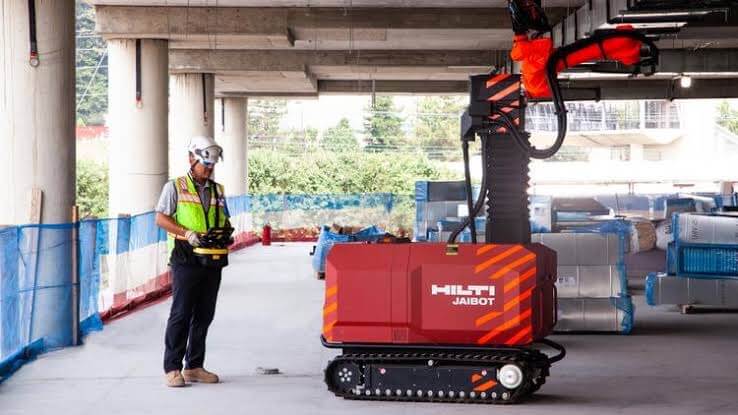
To improve on-site efficiency, construction contractors need not worry about any delays and shortage of labor. Instead, they can plan wisely by figuring out tasks and jobs that are on a rotation system. Robots can be installed with predefined automation systems that will help the contractors with the quick completion of tasks, saving labor costs at most. Drones can also be introduced at construction sites to assist in the surveillance of the site. And training associates to work with such robots and automation systems will always improve on-site efficiency. 

Enhancing Designs with Digital Tools 

In building construction or any construction, designing is the critical phase. Back in the day, it was paper and pen and numerous retakes regarding getting the perfect drawing or design of a building. Modernly, it has become a lot easier to get the right design with the help of automation and design software. Designing is key since it offers a look into the future building that it will shape out to become. But creating also ensures that no loopholes are present and the entire building is risk-free, accurate, and does not pose any risks. As for risks, the project analysis phase does come up with certain risks involved.

Building Information Modelling (BIM) and Integration 

BIM, or Building Information Modelling, is the software that has been red-hot in the construction market these days and for some time now. Two basic reasons for BIM’s popularity are the easiness of all concerned parties to link up on the same platform alongside helping identify potential concerns and failures, easing the solution process and saving a considerable amount of time. With integration with Augmented Reality or AR, contractors enjoy a pre-designed 3D render of the entire project even before the construction begins.

Project Management Through Software 

To begin with, project management is all about ensuring all activities, equipment, associates, and tasks are up to the mark and as per the schedule. But to provide this in the first place, a solid plan must be on the table and in the access of all concerned parties. Furthermore, the list of requirements, their update, and availability is another key thing to keep in mind when it comes to project management. All such things are almost impossible to do manually and ensure the correctness of these. However, technology in the form of software does come to help. 

Revolutionizing Project Management 

Project management of any construction project is revolutionized with the introduction of technology. For example, there are different top of the line and world-acclaimed software present, offering people loads of benefits through their use. Now, contractors can easily make project plans, monitor them, and check for project progress status against different concerns and control items. With software, it is possible to share live status with all concerned parties, have discussions, and keep a log of many things. Also, contractors can manage resources with great accuracy using this software. 

"Conclusion"

Modernism in anything simplifies, streamlines, and improves a process. In the world of construction, modernism entered late, yet its introduction is satisfactory. Technology is the main advent in the world of construction, and construction contractors are the ones that are being benefitted from it. Silver Foundation and many other top-notch contractors make use of various technological options, such as software that is dedicatedly built to help in a construction project. Contractors are always encouraged to improve their project management through these options.

أسئلة مكررة

How does modern technology affect construction?

Modern technology helps contractors in a way that they break down complex items into smaller units, easing their management, tracking, and improving them bit by bit. 

How can technology improve the construction industry?

The introduction of technology is to ease and improve anything simply. In the construction industry, the introduction of technology helps in improving design quality, reducing errors and reworks, increasing the percentage of successful work, and improving cost control. 

What are three common technologies used in the construction field?

The three common technologies used in the construction field are artificial intelligence, Building Information Modelling or BIM software, and 3D Printing Houses and LiDAR. 

What is the concept of technology in construction?

The concept of technology in construction is that the addition and use of technology and software will help significantly in simplifying and improving the construction project while allowing good management. 

What is modern building technology?

Modern building technology is a way of having pre-designed and pre-finished 3D renders of a building that will allow contractors to have a futuristic view of the building, allowing for error searching and rectifying them beforehand. 

Innovative Construction Techniques Used By Contractors

For a contractor, life takes work. Everyone expects a speedy completion of work and tasks alongside multitasking for time-saving. But no one gives them valuable suggestions and help when managing functions on time and killing off the travel time of projects and products. In construction projects, most of the work is done on the site. This may be beneficial in one way but also requires all more minor things to be done at a site that asks for swift and improved management. To combat this, many top contractors worldwide, such as Silver Foundation in Saudi Arabia, use innovative techniques that help ease the burden of construction project management.

3D Volumetric Construction

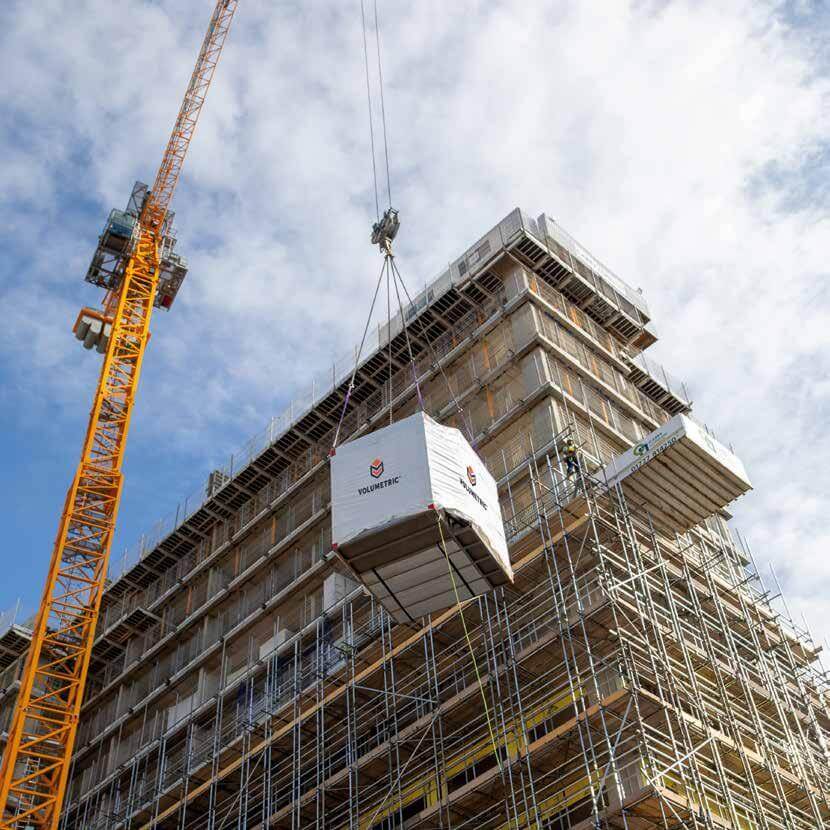
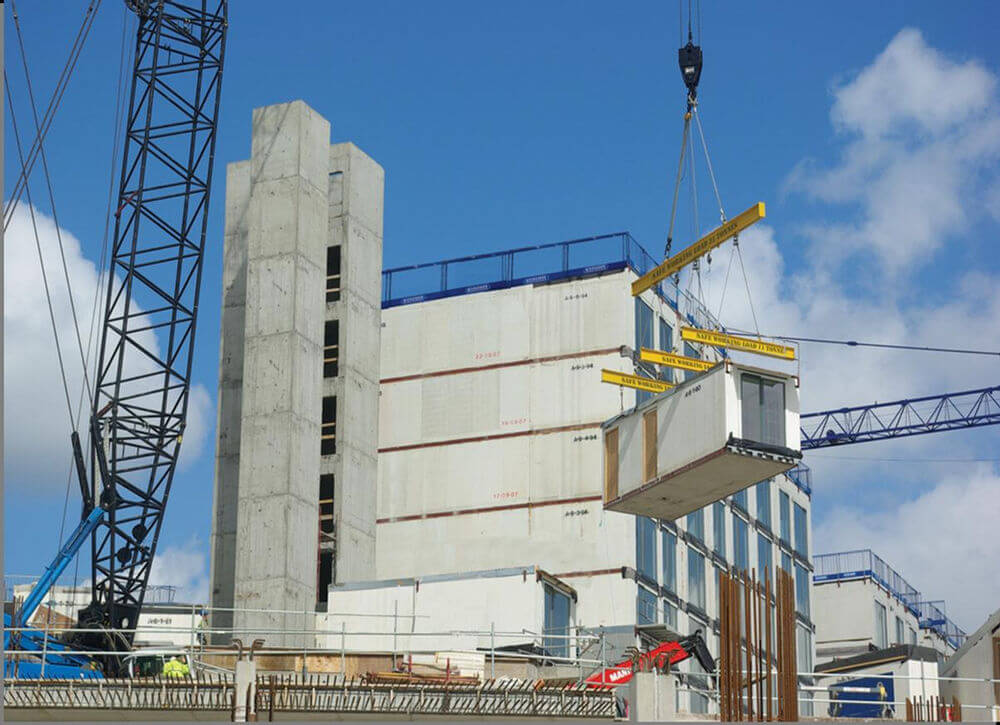
Much similar to the Pre-Engineered Flat Panel Systems, 3D Volumetric Construction is a method that involves easy 3D construction of a building section at any off-site. Compared with the Pre-Engineered Flat Panel System, this method consists of constructing the entire section and not only walls and floor panels, as with the former. 

Time Saving and Managing

The benefits of both the systems and techniques save time for complex projects. With the entire section being created at an off-site, all that is required is the transportation of these sections for assembly. Easy fitting helps projects with fewer requirements in funds, workers, and climate restrictions such as weather. 


Raised Access Flooring

Modern construction is all about utilizing existing spaces and ensuring maintenance is easy. Based on this technique and idea, Raised Access Flooring idea and technique has been gaining much popularity, especially for commercial buildings and office spaces. The idea or technique is to have floor panels placed at an elevation compared to the original base surface. 

Having an Ample Space That Matters!

In other words, a hidden space exists between the base and the elevated floor panel. The space is used for electrical wiring, plumbing, HVAC systems, etc. Two primary benefits of such a technique include easy maintenance and easy transformation, especially for spaces that often undergo renovation often undergo renovation.

AR Assistance in Building

Augmented Reality, or AR, is the next best thing in construction. Many research platforms even suggest that AR will be the new VR in the coming 3 to 5 years with the approach it offers for contractors. AR is also linked with building information modelling (BIM), another standard tool used in construction management. 

AR and BIM Integration Benefits for Better Visualization

This integration allows contractors to interact with 3D renders of a building that has yet to be worked upon or a construction that has yet to begin. With Augmented Reality Assistance, contractors can visualize everything about the building through its 3D renderings and depict critical, helpful information.

Pre-Engineered Flat Panel Systems

As construction occurs on a dedicated site, many tasks are already happening in the vicinity. This is because minimal tasks get in the queue for space and workers; thus, a delay is often seen. With a pre-engineered flat panel system, floor and wall unit productions are shifted to off-site.

Purpose of Using the Pre-Engineering System

The technique means they are fabricated at any other location apart from the construction site, and all that is left to do is assemble these components at the site. At best, it allows for simultaneous multi-production, allowing for complex and extensive projects to be completed on and before time. 

Insulating Concrete Formwork (ICF) Technique

There is always the need to cancel out heat and ensure good thermal and acoustic insulation within the buildings. Countries like Saudi Arabia have high temperatures throughout the year. For this, thermal insulation is of the highest requirement. Similarly, corporate offices require extreme noise cancellation for a smooth work environment. 

The Idea of High-Quality Insulation Using Concrete

For them, the Insulating Concrete Framework Technique is of great aid. This technique involves the creation of solid structures with double-walled polystyrene panels that are filled with concrete ready-mixed. The process reduces cooling and heating costs, thus resulting in an ideal soundproof building with controlled internal temperatures. 

"Conclusion"

Construction projects are highly critical, time-consuming, and labor-dependent. Modern innovative techniques are coming forward that allow a reduction in these and other factors that have a say in construction projects. Creative solutions that save time and require multi-production are crucial since they pave the way for future development of the highest order. Silver Foundation and other top-notch construction contractors know the importance of unique techniques so each project is extended and completed on time, and more projects are covered in time. Following these systems improves business, allows more projects, and helps a company to grow. 

أسئلة مكررة

What are some of the innovative techniques in building construction?

Some innovative construction techniques include Pre-Engineered Flat Panel Systems, an Insulating Concrete Formwork (ICF) Technique, Augmented Reality Assistance in Building, Raised Access Flooring, and 3D Volumetric Construction.

What is an innovative construction method?

The innovative construction method is a method that involves or utilizes new techniques, tools, and technology to solve a problem, lag, or speed up the construction work for increased productivity. 

What is the most-awaited future innovation in the construction industry?

The construction industry is highly awaiting the improvement in augmented reality (AR) to enhance the assistance of a project contractor to visualize the project and building better. 

What are some brainstorming techniques that can help with innovative ideas?

Some standard brainstorming techniques that can help with innovative ideas include six thinking hats, mind maps, affinity diagrams, fishbone diagrams, 5-Whys, and role-playing exercises. 

How is AI used in construction?

AI is used in construction in many ways, such as analyzing data for building efficiency, indoor air quality, energy efficiency, energy conservation, and optimal temperature control. 

Ensuring Quality and Compliance in Construction Projects

HVAC (Heating, Ventilation, and Air Conditioning) systems are crucial parts of any building. Buildings are prone to the accumulation of heat trapped inside due to ineffective ventilation measures. In these current times, energy-efficient solutions are necessary to employ in the design phase. Saudi Arabia relies hugely on investing in solutions to provide class-leading HVAC systems. Known to everyone, the Gulf region’s climate and scorching heat demand constant improvements and modifications in existing HVAC systems. Saudi Arabia’s aspiring infrastructure expansion plans, including mega projects such as NEOM, the Red Sea Project, and Vision 2030 initiatives, are driving substantial demand for HVAC systems.

Construction projects are multifaceted, exhausting, and often time-consuming. All of this is due to multiple necessities of small and large scale that comprise the project. With many requirements relating to non-functional aspects of the project, some requirements do require considerable planning and execution since they reflect outputs in many ways. One such prime construction requirement is in the form of HVAC which is a branch of an MEP system. MEP systems are widely incorporated in commercial and private buildings across the globe, dominantly in Saudi Arabia. A major reason is the emphasis on construction management in the KSA.

Saudi Arabia’s business Infrastructure hugely relies on good and reasonable HVAC (Heating, Ventilation, and Air conditioning) systems to cater to the needs of their businesses which eventually help in leveraging the overall economy of the country. To have optimized performance of HVAC systems, maintaining HVAC systems is required at a greater level. Saudi Arabia’s commitment to green building standards, including the Saudi Building Code (SBC) and LEED certification, underscores the importance of MEP services in achieving energy efficiency. These standards provide a framework for MEP engineers and designers to innovate and implement solutions that align with global sustainability practices. A one-stop solution is always available to serve you in Saudi Arabia named as Silver Foundation.

In a nutshell, ‘compliance’ is the act of following laws, regulations, standards, warrants, terms, conditions, and requests within an industry. Being compliant ensures the health and safety of the public and demonstrates that your company is a responsible business. The construction industry is responsible for a wide range of activities from building roads and bridges to constructing buildings. As such, there are numerous areas of compliance that companies involved in the construction sector must meet to remain compliant with legislation, such as ISO 14001 and ISO 45001.

Compliance in Construction for Suppliers

Within the construction industry, compliance is essential for suppliers and subcontractors delivering trade services across the sector. Demonstrating compliance opens more doors when tendering for future opportunities, as it shows that you have the necessary certifications and expertise to carry out work safely and by building regulations. It is also an assurance of quality, demonstrating that your products and services meet industry standards, allowing building material suppliers to satisfy their supply chains. Better yet, compliance exposes suppliers to both Public Sector organizations and Principal Contractors, creating the potential to access lucrative government contracts and work on high-profile projects.

Why is Compliance Important for Buyers?

Whether it’s for reviewing their current supply chain partners or managing data as part of the project management process, compliance in construction is just as important for buyers as it is for suppliers. Demonstrating compliance helps buyers to ensure that their current and future partners are meeting the necessary health and safety standards, as well as protecting themselves both financially and legally. Compliance also helps them to identify fraudulent activities, such as ghost workers, within their supply chain. Meeting environmental and social value targets is also an essential part of any construction project, and compliance can help to demonstrate that these targets have been met.

Quality Control in Construction

Construction quality control is a system of management that ensures that deliverables meet the standards and guidelines set by the client at the beginning of the construction process. This can include several criteria, such as completing the project within the scope of work. In the end, the client, regulatory bodies, and EPA guidelines decide quality. Quality control and quality assurance are two equally important arms of construction quality. While assurance refers to setting quality management expectations, quality control refers to the plans and procedures that achieve high-quality outcomes. Issues arise in construction quality control when the factors affecting the quality are not properly identified and addressed. 

Quality Control Approaches

There are several ways to approach quality control management in construction, with each having its pros and cons depending on the needs and scope of a company’s projects. The International Organization for Standardization established a set of quality standards called ISO 9001. These seven standards are based on the engagement of people, customer focus, leadership, process approach, improvement, evidence-based decision-making, and relationship management. Additionally, there are four other main approaches to quality control management in construction:

Kaizen

A Japanese word that means “change for the better,” Kaizen refers to a philosophy of continuously looking for ways to improve that is applied to quality control management. When all members of an organization implement Kaizen to their daily practices, gradual improvements can be seen over time.

Six Sigma

This problem-solving framework focuses on proactively identifying and solving issues that arise. The main steps to this quality control management approach are to Define, Measure, Analyze, Improve, and Control.

Continuous Improvement

Focuses on continuous incremental improvements to processes over time. Improvements are discovered through customer feedback and internal analytics processes.

Lean Management

Waste elimination and reduction are key factors to this approach. Waste is determined by extraneous processes and materials that don’t provide value to customers or construction companies.

How to Ensure Construction Quality Control

Constructional quality control definitions vary slightly between organizations, but there are some things that all construction industry professionals must take into consideration when implementing quality control management protocols.

Quality Control Checklist

Quality control criteria and expectations can be difficult to communicate and manage across teams without a standardized quality control checklist. A checklist simplifies the inspection process, making sure that critical aspects of quality control are not overlooked. Additionally, checklists also help clearly communicate areas of concern and the specific tasks each construction team member is responsible for.

Have an Inspection Plan

Inspections should take place regularly as a part of a thorough quality assurance plan at different points in the construction process. However, before conducting any inspections it’s crucial that organizations create a plan that details what needs to be inspected and what an acceptable result looks like. All completed work should meet client criteria, company expectations, and any other indications brought forth by invested parties.

"Conclusion"

” During or before starting any construction project, communication and quality control must go hand in hand. Without having a plan to effectively communicate policy among the engineers and team, compliance, safety standards, and building expectations, quality control will be an endless process. Quality control should be a part of all communications and discussions about project specifications, and all contractors and involved parties should clearly understand what is expected of them. Contractors like Silver Foundation are here to serve you with the possible best solutions for your dream project. Effective communications with builders and clients must also be exceptional because clients are the deciding factor of whether a project is executed according to their standards. When construction project managers collect client specifications there should be a plan in place to communicate these expectations with crews and individuals that are affected. Silver Foundation is strictly adhered to quality and safety standards to promote and ensure safe on-site works. “

أسئلة مكررة

What is the role of quality control in construction?

In construction, quality control refers to the processes and procedures that are involved to ensure that all materials and completed projects meet high standards and criteria that are put in place during the planning stages of the process.

How do you manage quality control in construction?

Managing construction quality control requires that several teams of people are organized towards successfully achieving quality construction projects. A quality control manager will be heavily involved in every step of managing quality and inspections and will need to be communicative with teams, clients, and contractors.

What is the quality control process in construction?

The quality control process in construction includes 5 key steps:

  1. Define and communicate acceptable criteria.
  2. Create an inspection plan.
  3. Use checklists and notes to conduct inspections.
  4. Correct deficiencies and verify acceptance criteria.
  5. Analyze to prevent future deficiencies. 

البناء خارج الموقع: تبسيط عملية البناء لتحقيق الكفاءة والجودة

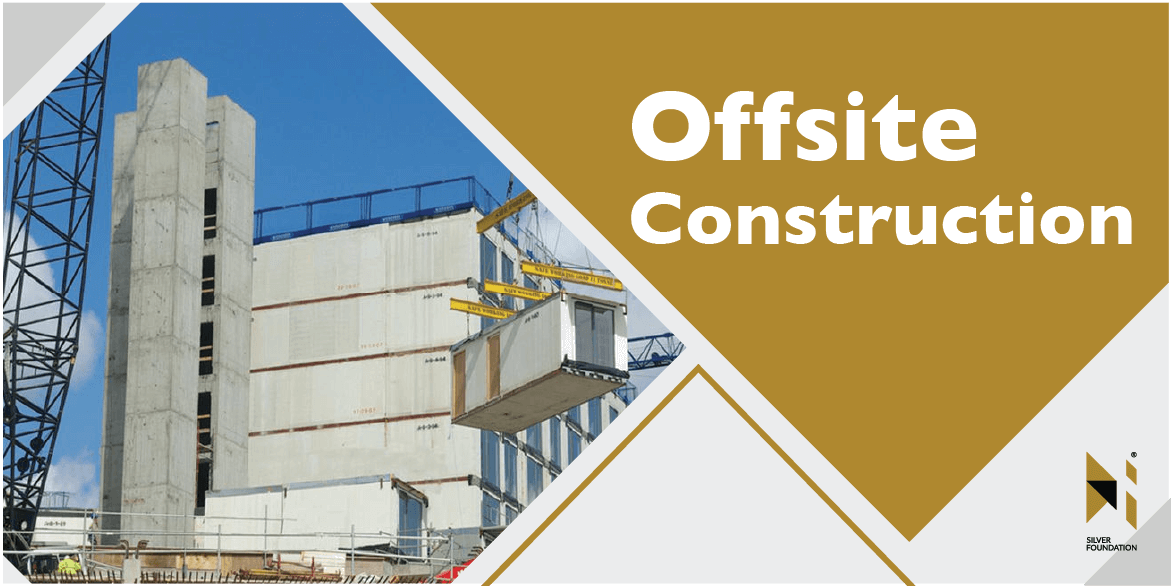
في الوقت الذي تواجه فيه صناعة البناء والتشييد تحديات مثل نقص العمالة وارتفاع تكاليف المواد ومخاوف الاستدامة، يظهر البناء خارج الموقع كحل واعد. يتضمن البناء خارج الموقع إنتاج مكونات البناء في المصنع، ثم يتم نقلها بعد ذلك إلى الموقع للتجميع. يعمل هذا النهج على تبسيط عملية البناء، مما يؤدي إلى زيادة الكفاءة وتقليل النفايات وتحسين الجودة.

الكفاءة: توفير الوقت وتقليل النفايات

إحدى أهم فوائد البناء خارج الموقع هي إمكانية تحقيق **الكفاءة**. نظرًا لأن المكونات يتم تصنيعها في بيئة خاضعة للرقابة، يمكن أن يستمر البناء بغض النظر عن الظروف الجوية، مما يقلل التأخير ويسرع الجدول الزمني للبناء.
كما يسمح إعداد المصنع بالتصنيع الدقيق وكفاءة خط التجميع. وهذا لا يؤدي إلى تسريع العملية فحسب، بل يقلل أيضًا من النفايات، حيث يمكن استخدام المواد بشكل أكثر كفاءة ويمكن إعادة تدوير أي مخلفات داخل المصنع.

الجودة: الاتساق والدقة

يمكن أن يؤدي البناء خارج الموقع إلى منتج نهائي **عالي الجودة**. في المصنع، يتم التحكم في الظروف وتوحيد العمليات، مما يؤدي إلى نتائج أكثر اتساقًا. يمكن استخدام الأدوات والآلات الدقيقة للتأكد من أن المكونات تلبي المواصفات الدقيقة، مما يقلل من مخاطر الأخطاء والعيوب.
علاوة على ذلك، يمكن إجراء فحوصات الجودة طوال عملية التصنيع، وليس في نهاية عملية البناء. وهذا يسمح بتحديد المشكلات وتصحيحها مبكرًا، مما يؤدي إلى تحسين جودة المنتج النهائي.

المرونة: قابلة للتخصيص وقابلة للتطوير

على الرغم من العمليات الموحدة، يوفر البناء خارج الموقع درجة عالية من **المرونة**. يمكن تخصيص مكونات البناء لتلبية متطلبات التصميم المحددة، ويمكن بسهولة زيادة أو تقليل عملية الإنتاج لتلبية الطلب.
هذه المرونة تجعل البناء خارج الموقع مناسبًا لمجموعة واسعة من المشاريع، بدءًا من منازل الأسرة الواحدة وحتى المباني التجارية واسعة النطاق. كما يسمح أيضًا بتصميمات وأساليب بناء مبتكرة، حيث يمكن دمج التقنيات والمواد الجديدة بسهولة في عملية الإنتاج.
الاستدامة: الحد من التأثير البيئي
وأخيرًا، يتمتع البناء خارج الموقع بفوائد **الاستدامة** كبيرة. إن تقليل النفايات، إلى جانب الاستخدام الفعال للمواد والطاقة، يجعل البناء خارج الموقع نهجًا أكثر صداقة للبيئة.
بالإضافة إلى ذلك، نظرًا لأنه يتم تصنيع المكونات خارج الموقع، يكون هناك خلل أقل في الموقع والمناطق المحيطة به. وهذا يقلل من الضوضاء والغبار وحركة المرور المرتبطة بالبناء التقليدي، مما يؤدي إلى انخفاض التأثير البيئي.

خاتمة

يعمل البناء خارج الموقع على إحداث تحول في عملية البناء، مما يوفر فوائد الكفاءة والجودة والمرونة والاستدامة. وفي حين لا تزال هناك تحديات يجب التغلب عليها - بما في ذلك لوجستيات النقل والعقبات التنظيمية - فإن إمكانية البناء خارج الموقع لا يمكن إنكارها.

مع استمرار تطور صناعة البناء والتشييد، من المرجح أن يلعب البناء خارج الموقع دورًا متزايد الأهمية. ومن خلال تبني هذا النهج، لا تستطيع الصناعة معالجة تحدياتها الحالية فحسب، بل يمكنها أيضًا تمهيد الطريق لمستقبل أكثر استدامة وكفاءة.

اتجاهات البناء العالمية: نظرة على التطورات حول العالم

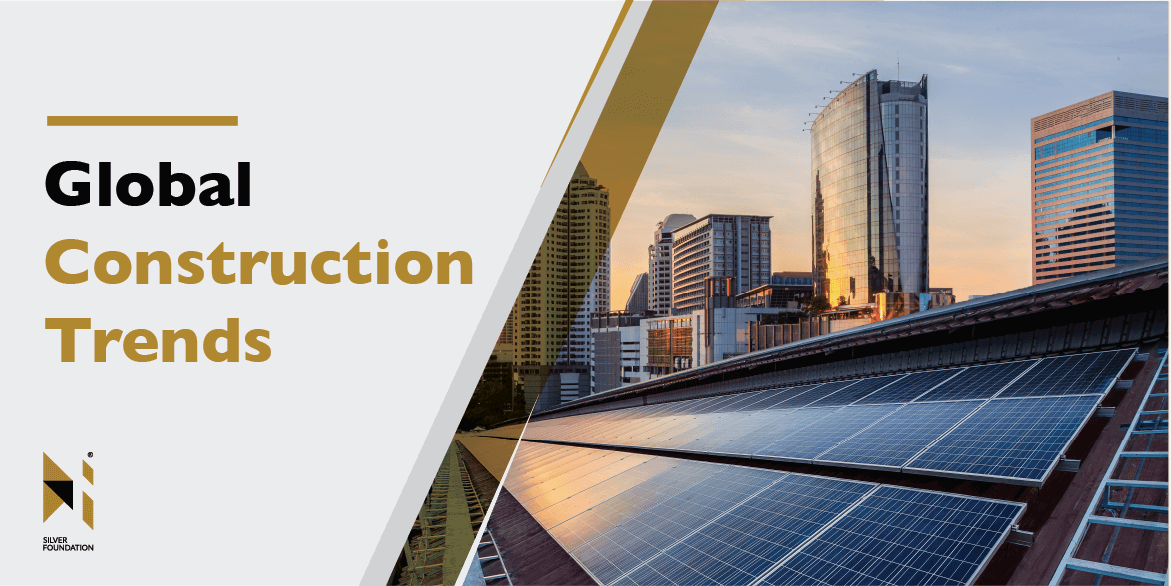
في عالم دائم التطور، لم تتخلف صناعة البناء والتشييد عن الركب. يتم تشكيلها باستمرار من خلال الاتجاهات والتقنيات الجديدة، مما يخلق مشهدًا ديناميكيًا ومثيرًا. من المباني الخضراء في أوروبا إلى الهياكل الجاهزة في آسيا، إلى التحول الرقمي في أمريكا الشمالية، إليك نظرة على اتجاهات البناء العالمية التي تشكل الصناعة.

أوروبا: البناء الأخضر والمستدام

هناك اتجاه مهم في أوروبا وهو التركيز المتزايد على البناء المستدام والأخضر. لقد حددت [الصفقة الخضراء الأوروبية] نغمة "الموجة الخضراء" في البناء، وتشجيع المباني الموفرة للطاقة، وخفض انبعاثات الغازات الدفيئة، واستخدام المواد المستدامة. .
يعد التركيز على البناء المحايد للكربون وتعديل الهياكل الحالية لتلبية معايير كفاءة الطاقة الجديدة محركًا مهمًا. كما تحظى التقنيات الجديدة مثل الخرسانة الخضراء والنوافذ الشمسية المولدة للطاقة بالاهتمام.

آسيا: التصنيع المسبق والبناء المعياري

وفي آسيا، تقود التصنيع المسبق والبناء المعياري الطريق. ويعود هذا الاتجاه إلى عوامل متعددة، بما في ذلك نقص العمالة، والتوسع الحضري السريع، والحاجة إلى أساليب بناء تتسم بالكفاءة والفعالية من حيث التكلفة.
وكانت الصين، على وجه الخصوص، في طليعة هذا الاتجاه بفضل إنجازاتها المبهرة في البناء السريع. يتم بناء المباني الجاهزة والوحدات خارج الموقع، ثم يتم تجميعها في الموقع، مما يقلل من وقت البناء والنفايات. توفر هذه الطريقة أيضًا المرونة اللازمة لتفكيك المباني ونقلها، وهي ميزة تتوافق مع الطبيعة العابرة للتنمية الحضرية في العديد من المدن الآسيوية.

أمريكا الشمالية: الرقمنة وتقنية البناء

تعد تكنولوجيا الرقمنة والبناء أو التكنولوجيا اتجاهًا اجتاح أمريكا الشمالية. ويتميز هذا الاتجاه باستخدام البرمجيات والأدوات الرقمية لتخطيط وتصميم وإدارة مشاريع البناء، وتحسين الكفاءة وخفض التكاليف.
يتم اعتماد نمذجة معلومات البناء على نطاق واسع، مما يؤدي إلى إنشاء نماذج ثلاثية الأبعاد للمباني التي يمكن استكشافها بشكل تفاعلي قبل بنائها. وهذا يسمح بتخطيط أفضل وأخطاء أقل في عملية البناء.
تُستخدم تقنية الطائرات بدون طيار أيضًا في عمليات مسح الموقع وعمليات التفتيش ومراقبة التقدم. بالإضافة إلى ذلك، تكتسب تقنيات الواقع المعزز والواقع الافتراضي المزيد من الاهتمام، حيث توفر طرقًا غامرة لتصور مشاريع البناء والتفاعل معها.

أفريقيا: الإسكان الميسر واستخدام المواد المحلية

تشهد صناعة البناء والتشييد في أفريقيا تركيزًا متزايدًا على **الإسكان الميسور التكلفة واستخدام المواد المحلية**. وقد أدى التحضر السريع إلى زيادة الطلب على الإسكان بأسعار معقولة، مما أدى إلى أساليب البناء المبتكرة المصممة لخفض التكاليف وتسريع أوقات البناء.
ويتم أيضًا تشجيع استخدام المواد المحلية لتقليل التكاليف وجعل مشاريع البناء أكثر استدامة. على سبيل المثال، في رواندا، تستفيد مشاريع الإسكان بأسعار معقولة من الطوب المصنوع من الرماد البركاني المحلي، مما يوفر بديلاً أرخص وأكثر صداقة للبيئة للطوب التقليدي.

أمريكا اللاتينية: تطوير البنية التحتية

ويشكل تطوير البنية التحتية اتجاها مهما في أمريكا اللاتينية، مدفوعا بزيادة عدد سكان المناطق الحضرية والحاجة إلى تحسين البنية التحتية للنقل والمياه والطاقة. تعطي الحكومات في جميع أنحاء المنطقة الأولوية لمشاريع البنية التحتية، مما يؤدي إلى زيادة في نشاط البناء.
ويؤدي هذا الاتجاه أيضًا إلى زيادة استخدام الشراكات بين القطاعين العام والخاص لتمويل وإدارة مشاريع البنية التحتية واسعة النطاق. وتجمع هذه الشراكات بين الرقابة العامة وكفاءة القطاع الخاص، مما قد يؤدي إلى نتائج أفضل لهذه المشاريع الحيوية.

خاتمة

وفي عالم يركز بشكل متزايد على الاستدامة والكفاءة والتحول الرقمي، تتكيف صناعة البناء والتشييد لتلبية هذه المطالب. تعكس الاتجاهات التي تمت مناقشتها أعلاه الطرق المتنوعة التي يحدث بها هذا في جميع أنحاء العالم. ومع استمرار هذه الاتجاهات في التطور، فإنها بلا شك ستشكل مستقبل صناعة البناء والتشييد، مما يجعلها أكثر استدامة وكفاءة وتقدمًا من الناحية التكنولوجية.

بناء مدن قادرة على الصمود: تقنيات البناء المتكيفة مع المناخ

لقد برز تغير المناخ باعتباره أحد التحديات الأكثر إلحاحا في عصرنا. مع استمرار ارتفاع درجات الحرارة العالمية، تواجه المدن في جميع أنحاء العالم مخاطر متزايدة الشدة مرتبطة بالمناخ، مثل الفيضانات والعواصف وموجات الحر وارتفاع منسوب مياه البحر. لقد أصبح بناء مدن قادرة على الصمود أولوية ملحة للمخططين والمهندسين المعماريين والمهندسين الحضريين. ستستكشف هذه المدونة مفهوم المدن المرنة وتناقش بعض تقنيات البناء الأكثر ابتكارًا والتكيف مع المناخ والتي تساعد على حماية البيئات الحضرية وسكانها من تأثيرات تغير المناخ.

ما هي المدينة المرنة؟

المدينة المرنة هي المدينة التي يمكنها الصمود والتعافي من آثار تغير المناخ والكوارث الطبيعية وغيرها من الضغوطات. ولا تقتصر القدرة على الصمود على الاستعداد للأحداث المتطرفة والتعامل معها فحسب، بل تتعلق أيضًا بتكييف النظم الحضرية وتحويلها استجابة للتغيرات الطويلة الأجل في المناخ والظروف البيئية. وينطوي بناء مدن قادرة على الصمود على مجموعة واسعة من الاستراتيجيات، بدءا من تحسين البنية التحتية وتصميم المباني إلى تعزيز التماسك الاجتماعي وتعزيز الاقتصادات المحلية.

تقنيات البناء التكيف مع المناخ

يلعب قطاع البناء دوراً حاسماً في تشكيل قدرة المدن على الصمود. ومن خلال تبني تقنيات بناء مبتكرة تتكيف مع المناخ، يمكننا إنشاء المباني والبنية التحتية المجهزة بشكل أفضل لتحمل تأثيرات تغير المناخ. تشمل بعض التقنيات الواعدة ما يلي:

الأسطح والجدران الخضراء
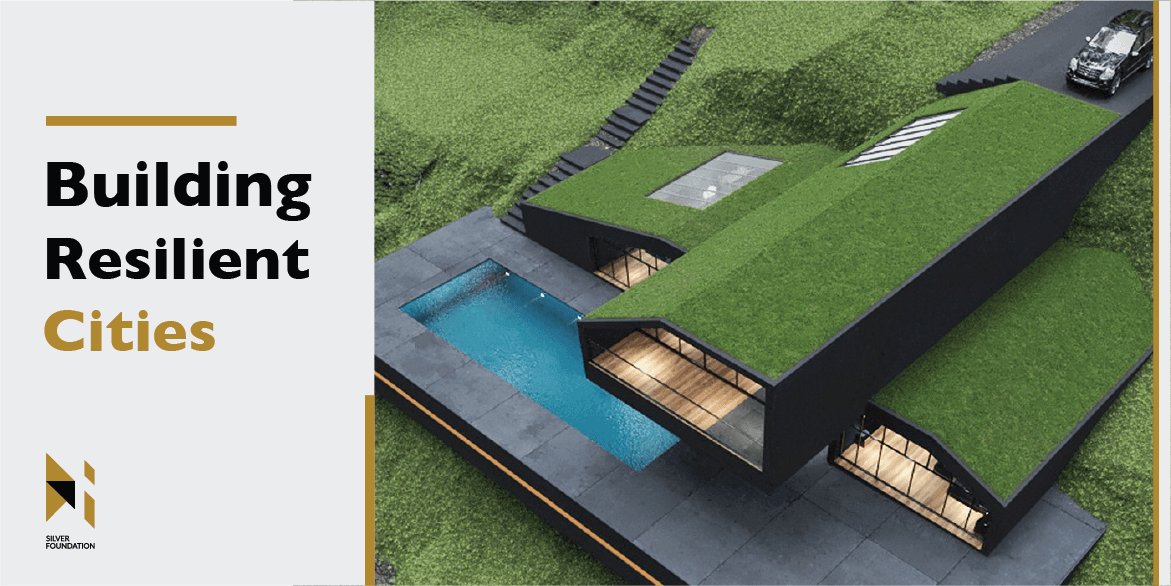
الأسطح والجدران الخضراء مغطاة بالنباتات، مما يساعد على تقليل امتصاص الحرارة، وتحسين جودة الهواء، وإدارة جريان مياه الأمطار. من خلال عملها كعازل، تحافظ الأسطح الخضراء على برودة المباني في الصيف وأكثر دفئًا في الشتاء، مما يقلل من استهلاك الطاقة وانبعاثات الغازات الدفيئة. يمكن أن توفر الجدران الخضراء أيضًا حاجزًا طبيعيًا ضد الحرارة والتلوث الضوضائي، مما يحسن راحة ورفاهية شاغلي المبنى.

تصميم مقاوم للفيضانات
يتضمن التصميم المقاوم للفيضانات بناء هياكل يمكنها الصمود والتعافي بسرعة من أحداث الفيضانات. يمكن أن يشمل ذلك رفع المباني فوق مستويات الفيضان المتوقعة، وتركيب أبواب ونوافذ مقاومة للماء، واستخدام مواد مقاومة للأضرار الناجمة عن المياه. يمكن أيضًا استخدام الأسطح النفاذة، مثل الرصيف المسامي، للمساعدة في إدارة جريان مياه العواصف وتقليل مخاطر الفيضانات في المناطق الحضرية.

الأرصفة والأسطح باردة
تم تصميم الأرصفة والأسطح الباردة لتعكس قدرًا أكبر من ضوء الشمس وتمتص حرارة أقل من المواد التقليدية، مثل الأسفلت. يمكن أن يساعد ذلك في تقليل تأثير الجزر الحرارية الحضرية، والذي يحدث عندما تصبح المناطق المبنية أكثر دفئًا بشكل ملحوظ من المناطق الريفية المحيطة بها بسبب امتصاص المباني والأرصفة للحرارة وإعادة إشعاعها. ومن خلال التخفيف من تأثير الجزر الحرارية الحضرية، يمكن للأرصفة الباردة أن تحسن جودة الهواء، وتقلل من استهلاك الطاقة، وتعزز راحة وصحة سكان المناطق الحضرية.

التصميم الشمسي السلبي
يستخدم التصميم الشمسي السلبي طاقة الشمس لتدفئة المباني وتبريدها وإنارتها دون الحاجة إلى أنظمة ميكانيكية. من خلال الاستفادة من التهوية الطبيعية، والكتلة الحرارية، والتوجيه الشمسي، يمكن للتصميم الشمسي السلبي أن يقلل بشكل كبير من استهلاك الطاقة والآثار البيئية للمباني. تتضمن بعض المبادئ الأساسية للتصميم الشمسي السلبي تعظيم النوافذ المواجهة للجنوب، واستخدام الكتلة الحرارية لتخزين الحرارة، وتوفير تظليل وعزل فعال.

البناء المعياري والمسبق الصنع

تتضمن تقنيات البناء المعيارية والمسبقة الصنع تجميع المباني من مكونات مسبقة الصنع، والتي يمكن تصنيعها خارج الموقع ونقلها إلى موقع البناء للتجميع. يمكن لهذا النهج أن يقلل من النفايات، ويقلل من الإزعاج للبيئة المحلية، ويسمح ببناء أسرع وأكثر كفاءة. وبالإضافة إلى ذلك، يمكن تصميم المباني النموذجية والمسبقة الصنع لتكون أكثر مرونة في مواجهة الأحداث المناخية المتطرفة والكوارث الطبيعية.

خاتمة

إن بناء مدن قادرة على الصمود أمر ضروري لحماية بيئاتنا الحضرية وسكانها من تأثيرات تغير المناخ. ومن خلال تبني تقنيات بناء مبتكرة تتكيف مع المناخ، يصبح بوسعنا إنشاء مبان وبنية تحتية أكثر مرونة واستدامة وقدرة على التكيف مع الظروف البيئية المتغيرة. ومن خلال العمل معا، يستطيع المخططون الحضريون، والمهندسون المعماريون، والمهندسون، وصناع السياسات أن يساعدوا في ضمان استعداد مدننا بشكل أفضل لمواجهة تحديات المستقبل.


سلامة موقع البناء: أفضل الممارسات والابتكارات

تعد سلامة موقع البناء جانبًا مهمًا في الصناعة، ولها تأثير مباشر على رفاهية العمال والجداول الزمنية للمشروع ونجاح المشروع بشكل عام. مع ازدياد تعقيد مشاريع البناء، أصبح تبني أفضل الممارسات والتقنيات المبتكرة لتحسين السلامة أمرًا بالغ الأهمية. سوف تتعمق مشاركة المدونة هذه في ممارسات السلامة الأساسية في مواقع البناء وتستكشف الابتكارات المتطورة التي تشكل مستقبل إدارة سلامة البناء.

أهمية سلامة موقع البناء

تعد مواقع البناء بيئات خطرة بطبيعتها، حيث يتعرض العمال غالبًا لمخاطر مثل السقوط وحوادث المركبات والاتصال بمواد أو معدات خطرة. يعد ضمان السلامة في مواقع البناء أمرًا بالغ الأهمية لعدة أسباب:

1. حماية صحة العمال ورفاهيتهم: الهدف الأساسي لإدارة سلامة البناء هو منع الإصابات والوفيات بين العمال، وضمان قوة عاملة صحية ومنتجة.

2. تقليل تأخير المشروع والخسائر المالية: يمكن أن تؤدي الحوادث والإصابات إلى تأخير المشروع وزيادة التكاليف والمسؤوليات القانونية المحتملة لشركات البناء.

3. تعزيز سمعة الشركة: يمكن لسجل السلامة القوي أن يحسن سمعة الشركة، مما يجعلها أكثر جاذبية للعملاء والشركاء والموظفين المحتملين.

أفضل الممارسات لسلامة موقع البناء

يعد تنفيذ أفضل الممارسات للسلامة في موقع البناء أمرًا ضروريًا لتقليل المخاطر وإنشاء بيئة عمل آمنة. تشمل بعض الممارسات الرئيسية ما يلي:

التدريب الشامل على السلامة

يعد توفير التدريب الشامل على السلامة لجميع العمال أمرًا بالغ الأهمية لضمان فهمهم للمخاطر المحتملة في الموقع والاحتياطات المناسبة التي يجب اتخاذها. وينبغي أيضًا إجراء دورات تنشيطية منتظمة لإبقاء العمال على اطلاع دائم بإجراءات السلامة ولوائح الصناعة.

معدات الحماية الشخصية

يجب أن يكون العمال مجهزين بمعدات الوقاية الشخصية المناسبة، مثل القبعات الصلبة، ونظارات السلامة، والسترات عالية الوضوح، وأدوات حماية السمع، لتقليل مخاطر الإصابة. يجب على أصحاب العمل التأكد من صيانة معدات الوقاية الشخصية بشكل جيد، وتوافرها بسهولة، وارتدائها بشكل صحيح في جميع الأوقات.

الاستخدام السليم وصيانة المعدات

يعد استخدام المعدات بشكل آمن وصحيح أمرًا بالغ الأهمية لمنع وقوع الحوادث في مواقع البناء. يجب تدريب العمال على الاستخدام السليم والتفتيش والصيانة للمعدات والأدوات. بالإضافة إلى ذلك، ينبغي إجراء فحوصات منتظمة للمعدات لتحديد وتصحيح أي أعطال أو أضرار.

اتصالات واضحة واللافتات

التواصل الفعال هو المفتاح لضمان السلامة في مواقع البناء. يجب على أصحاب العمل إنشاء قنوات اتصال واضحة، وعقد اجتماعات منتظمة للسلامة، وعرض لافتات السلامة في جميع أنحاء الموقع لإبلاغ العمال بالمخاطر المحتملة وممارسات العمل الآمنة.

 التدبير المنزلي والتنظيم

يمكن أن يساعد الحفاظ على موقع بناء نظيف ومنظم في منع وقوع الحوادث الناجمة عن مخاطر التعثر أو سقوط الأشياء أو المسارات المسدودة. يجب إعطاء الأولوية للتدبير المنزلي والتنظيم المنتظم، مع تخصيص مناطق لتخزين الأدوات، والتخلص من النفايات، وتجهيز المواد.


الابتكارات في سلامة موقع البناء

تعمل التقنيات الناشئة على إحداث تحول في مجال سلامة البناء، حيث تقدم طرقًا جديدة لرصد المخاطر، وتحسين التدريب، وتعزيز السلامة العامة للموقع. تشمل بعض الابتكارات البارزة ما يلي:

التقنية التي يمكن لباسها

يمكن للأجهزة القابلة للارتداء، مثل القبعات الصلبة الذكية أو سترات الأمان المزودة بأجهزة استشعار مدمجة، مراقبة العلامات الحيوية للعمال، والموقع، ومستويات التعب، وتنبيه المشرفين إلى المخاوف المحتملة المتعلقة بالسلامة في الوقت الفعلي. بالإضافة إلى ذلك، يمكن للأجهزة القابلة للارتداء اكتشاف السقوط أو الحوادث الأخرى، مما يسمح بالاستجابة السريعة في حالات الطوارئ.

الطائرات بدون طيار والروبوتات

يمكن استخدام الطائرات بدون طيار والمعدات الآلية لإجراء عمليات التفتيش أو أداء المهام في المناطق الخطرة، مما يقلل من تعرض الإنسان للمواقف الخطرة. يمكن للطائرات بدون طيار أيضًا المساعدة في مراقبة التقدم المحرز في الموقع وتحديد مخاطر السلامة المحتملة من منظور جوي.

الواقع الافتراضي والواقع المعزز

يمكن لتقنيات الواقع الافتراضي والواقع المعزز تعزيز التدريب على السلامة من خلال توفير محاكاة واقعية وغامرة لمخاطر موقع البناء وحالات الطوارئ. ويمكن أيضًا استخدام هذه التقنيات في الموقع لتراكب معلومات أو تعليمات السلامة في مجال رؤية العمال، مما يحسن التواصل والوعي بالموقف.

الذكاء الاصطناعي وتحليل البيانات يمكن للأدوات التي تعمل بالذكاء الاصطناعي تحليل كميات هائلة من البيانات من مواقع البناء، وتحديد الاتجاهات والأنماط المتعلقة بحوادث السلامة. يمكن استخدام هذه المعلومات لتوجيه ممارسات السلامة، والتنبؤ بالمخاطر المحتملة، وتطوير التدخلات المستهدفة للحد من المخاطر.

خاتمة

في الختام، تعد سلامة مواقع البناء جزءًا لا يتجزأ من الصناعة، حيث تلعب أفضل الممارسات والابتكارات التكنولوجية دورًا حيويًا في حماية العمال وضمان نجاح المشروع. ومن خلال تبني تدابير السلامة هذه ومواكبة التقنيات الناشئة، يمكن لشركات البناء إنشاء بيئة عمل أكثر أمانًا وكفاءة وإنتاجية لجميع المشاركين.

مستقبل البناء: التأثير التحويلي للذكاء الاصطناعي على الصناعة

إن صناعة البناء والتشييد على أعتاب ثورة، حيث يمهد الذكاء الاصطناعي الطريق لمستقبل أكثر بساطة وكفاءة وابتكارا. باعتبارها قطاعًا حيويًا مسؤولًا عن تطوير البنية التحتية والإسكان والمساحات التجارية، فإن صناعة البناء والتشييد ستستفيد بشكل كبير من تكامل الذكاء الاصطناعي. في منشور المدونة هذا، سنستكشف كيف يقوم الذكاء الاصطناعي بتحويل أعمال البناء، من التخطيط والتصميم إلى التنفيذ والصيانة.

تحسين التخطيط والتصميم

يتمتع الذكاء الاصطناعي بالقدرة على إحداث ثورة في مرحلة التخطيط والتصميم لمشاريع البناء. ومن خلال الاستفادة من الخوارزميات المتقدمة والتعلم الآلي، يمكن للذكاء الاصطناعي تحليل مجموعات البيانات المعقدة وإنشاء تصميمات محسنة تأخذ في الاعتبار عوامل مثل الاستقرار الهيكلي وكفاءة الطاقة وقيود التكلفة. وهذا يؤدي إلى عمليات تخطيط وتصميم أسرع وأكثر دقة وفعالية من حيث التكلفة. بالإضافة إلى ذلك، يمكن لأدوات التصميم التوليدي المدعومة بالذكاء الاصطناعي إنتاج تكرارات تصميم متعددة في غضون ثوانٍ، مما يسمح للمهندسين المعماريين والمهندسين باستكشاف المزيد من الاحتمالات وتحديد الخيار الأفضل لمشروع معين. وهذا لا يوفر الوقت والموارد فحسب، بل يسمح أيضًا بإنشاء تصميمات أكثر ابتكارًا واستدامة.

تحسين إدارة المشاريع

الإدارة الفعالة للمشروع أمر بالغ الأهمية لضمان نجاح مشاريع البناء. يمكن استخدام الذكاء الاصطناعي لإدارة المشاريع بشكل أفضل من خلال أتمتة المهام وتتبع التقدم وتحديد المشكلات المحتملة قبل تفاقمها. يمكن لخوارزميات التعلم الآلي تحليل البيانات التاريخية للتنبؤ بنتائج المشروع وإرشاد عملية صنع القرار، مما يساعد مديري المشاريع على تحسين الموارد وتقليل المخاطر وتحسين الكفاءة العامة.
علاوة على ذلك، يمكن استخدام الذكاء الاصطناعي لإنشاء أنظمة جدولة ذكية تأخذ في الاعتبار عوامل مثل الظروف الجوية، وتوافر العمال، واضطرابات سلسلة التوريد لتحسين الجداول الزمنية للمشروع وتقليل التأخير.

تعزيز سلامة موقع البناء

تشتهر صناعة البناء والتشييد بظروف العمل الخطرة، ويتمتع الذكاء الاصطناعي بالقدرة على تحسين السلامة في مواقع البناء بشكل كبير. يمكن للمعدات التي تعمل بالذكاء الاصطناعي اكتشاف المخاطر المحتملة وتنبيه العمال إلى الظروف غير الآمنة في الوقت الفعلي. يمكن أيضًا استخدام الطائرات بدون طيار المجهزة بتقنية الذكاء الاصطناعي لمراقبة مواقع البناء وتحديد مشكلات السلامة وتوفير بيانات قيمة لتحسين السلامة العامة للموقع.

الأتمتة والروبوتات

تعمل الروبوتات والأتمتة التي تعتمد على الذكاء الاصطناعي على تغيير طريقة تنفيذ مشاريع البناء. يمكن لمعدات البناء المستقلة، مثل الحفارات والجرافات، أداء المهام دون تدخل بشري، مما يؤدي إلى زيادة الكفاءة وتقليل تكاليف العمالة. على سبيل المثال، يستطيع عمال البناء الآليون وضع الطوب بسرعة تصل إلى ستة أضعاف سرعة العامل البشري، مما يؤدي إلى تسريع عملية البناء بشكل كبير.
علاوة على ذلك، يمكن استخدام الروبوتات التي تعمل بالذكاء الاصطناعي في المناطق الخطرة أو التي يصعب الوصول إليها، مما يقلل من خطر إصابة العمال البشر وتمكين البناء في مواقع يتعذر الوصول إليها بأي طريقة أخرى.

صيانة المباني والتفتيش

يمكن أن يلعب الذكاء الاصطناعي دورًا حاسمًا في صيانة وفحص مشاريع البناء المكتملة. يمكن للطائرات بدون طيار والروبوتات المجهزة بتقنية الذكاء الاصطناعي إجراء عمليات التفتيش بكفاءة لتحديد المشكلات المحتملة، مثل الأضرار الهيكلية أو التسريبات أو عدم كفاءة الطاقة. يمكن استخدام هذه البيانات لتحسين جداول الصيانة وضمان طول عمر المباني والبنية التحتية.

خاتمة

في الختام، من المتوقع أن يكون للذكاء الاصطناعي تأثير تحويلي على صناعة البناء والتشييد، بدءًا من تعزيز التخطيط والتصميم وحتى أتمتة المهام وتحسين السلامة. ومن خلال تبني هذه التكنولوجيا، ستكون أعمال البناء قادرة على تسليم المشاريع بشكل أكثر كفاءة، وخفض التكاليف، وإنشاء هياكل أكثر استدامة وابتكارًا للمستقبل.


تبني المباني الخضراء: مستقبل البناء المستدام

مع استمرار تزايد المخاوف بشأن التأثير البيئي وكفاءة استخدام الموارد، برز البناء الأخضر كحل قوي لمستقبل أكثر استدامة. في هذه المدونة، سنستكشف مفهوم البناء الأخضر، ونناقش مبادئه الأساسية، ونسلط الضوء على بعض الفوائد التي يقدمها لكل من البيئة والأشخاص الذين يسكنون هذه المساحات الصديقة للبيئة.

ما هو البناء الأخضر؟

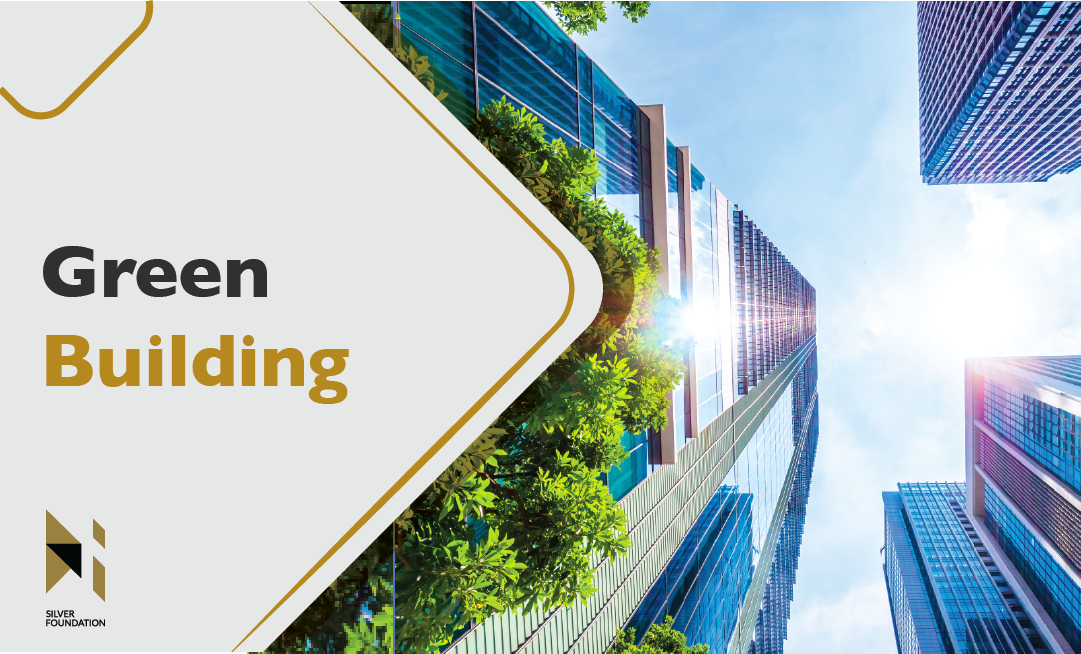
يشير البناء الأخضر، المعروف أيضًا باسم البناء المستدام أو الصديق للبيئة، إلى ممارسة تصميم وبناء وتشغيل المباني بطريقة تقلل من تأثيرها البيئي، مع إعطاء الأولوية أيضًا لصحة ورفاهية شاغليها. ويشمل هذا النهج الشامل كل جانب من جوانب عملية البناء، بدءًا من اختيار الموقع والمواد وحتى كفاءة الطاقة وجودة الهواء الداخلي.

مبادئ البناء الأخضر

يسترشد البناء الأخضر بمجموعة من المبادئ الأساسية التي تهدف إلى تعزيز الاستدامة وتقليل الآثار البيئية السلبية. بعض هذه المبادئ تشمل:

1. كفاءة الطاقة: تم تصميم المباني الخضراء لتقليل استهلاك الطاقة من خلال استخدام استراتيجيات التصميم السلبي، والأجهزة عالية الكفاءة، ومصادر الطاقة المتجددة، مثل الألواح الشمسية أو توربينات الرياح.

2. الحفاظ على المياه: تتضمن المباني المستدامة ميزات توفير المياه، مثل أنظمة تجميع مياه الأمطار، وإعادة تدوير المياه الرمادية، وتركيبات السباكة منخفضة التدفق، لتقليل استهلاك المياه وتقليل الضغط على موارد المياه المحلية.

3. المواد المستدامة: يعطي البناء الأخضر الأولوية لاستخدام المواد الصديقة للبيئة والمتينة والمعاد تدويرها، بالإضافة إلى الأخشاب ذات المصادر المسؤولة وغيرها من الموارد المتجددة، لتقليل التأثير البيئي للبناء.

4. الحد من النفايات: تهدف ممارسات البناء المستدامة إلى تقليل توليد النفايات وتشجيع إعادة التدوير وإعادة استخدام المواد طوال دورة حياة المبنى، بدءًا من البناء والتشغيل وحتى الهدم والتفكيك.

5. جودة البيئة الداخلية: تعطي المباني الخضراء الأولوية لصحة ورفاهية شاغليها من خلال ضمان جودة الهواء الداخلي المثالية والإضاءة الطبيعية والراحة الحرارية.

6. اختيار الموقع واستخدام الأراضي: يؤكد البناء المستدام على الاختيار المسؤول للموقع، والسعي لتقليل التأثير على النظم البيئية المحلية، والحفاظ على المساحات الخضراء، وتعزيز النمو الذكي والتنمية الحضرية.

فوائد البناء الأخضر

إن تبني مبادئ البناء الأخضر يمكن أن يؤدي إلى مجموعة واسعة من الفوائد البيئية والاقتصادية والاجتماعية:

فوائد بيئية
- تقليل الانبعاثات: تستهلك المباني الخضراء طاقة أقل، مما يترجم إلى انخفاض انبعاثات الغازات الدفيئة وتقليل البصمة الكربونية.
– الحفاظ على الموارد: من خلال استخدام مواد مستدامة وتعزيز كفاءة استخدام المياه، تساعد المباني الخضراء في الحفاظ على الموارد الطبيعية القيمة وتقليل النفايات.
- الحفاظ على التنوع البيولوجي: يمكن أن يساعد الاختيار المسؤول للموقع وممارسات استخدام الأراضي في حماية النظم البيئية المحلية والحفاظ على التنوع البيولوجي.

منافع اقتصادية
- انخفاض تكاليف التشغيل: يمكن أن تؤدي المباني الموفرة للطاقة إلى توفير كبير في فواتير الخدمات العامة وانخفاض تكاليف الصيانة، مما يجعلها أكثر فعالية من حيث التكلفة على المدى الطويل.
– زيادة قيمة العقارات: تميل المباني الخضراء إلى أن تكون ذات قيمة عقارية أعلى، حيث يدرك عدد أكبر من الناس فوائد الحياة المستدامة.
- خلق فرص العمل: أدى الطلب المتزايد على المباني الخضراء والممارسات المستدامة إلى خلق فرص عمل جديدة في صناعة البناء الخضراء.

المنافع الاجتماعية
– تحسين الصحة والرفاهية: تعطي المباني الخضراء الأولوية لجودة البيئة الداخلية، مما قد يؤدي إلى نتائج صحية أفضل وزيادة إنتاجية شاغليها.
– التواصل المجتمعي: غالبًا ما تركز المباني المستدامة على إمكانية الوصول والاتصال، مما يعزز الشعور بالانتماء للمجتمع ويعزز إمكانية المشي والنقل العام.

مستقبل المباني الخضراء

مع استمرار نمو الوعي بالفوائد البيئية والصحية للمباني الخضراء، يتزايد أيضًا الطلب على البناء المستدام. الابتكارات في مجال التكنولوجيا والمواد، فضلا عن تطوير شهادات المباني الخضراء، مثل ليد وبريم، تدفع الصناعة نحو مستقبل أكثر استدامة.
من خلال تبني مبادئ البناء الأخضر، يمكننا إنشاء بيئة مبنية لا تقلل من التأثير البيئي فحسب، بل تعمل أيضًا على تحسين نوعية الحياة لأولئك الذين يعيشون ويعملون داخل هذه المساحات. مستقبل البناء يكمن في البناء الأخضر، وحان وقت العمل.

خاتمة

يمثل البناء الأخضر تحولاً تحويلياً في الطريقة التي نتعامل بها مع البناء، مع إدراك الحاجة إلى نهج أكثر استدامة ومسؤولية لتصميم المباني والمواد والعمليات. وبينما نمضي قدمًا، من المهم أن يتبنى المهندسون المعماريون والمطورون وصانعو السياسات والأفراد على حدٍ سواء مبادئ البناء الأخضر لإحداث تأثير إيجابي دائم على بيئتنا ورفاهية الأجيال القادمة. ومن خلال إعطاء الأولوية للاستدامة والممارسات الصديقة للبيئة، يمكننا أن نساهم بشكل جماعي في عالم أنظف وأكثر صحة وأكثر مرونة، حيث يمكن للناس والكوكب أن يزدهروا.