Safety Protocols Every Contractor Should Follow

Contractors have a big job on their hands, and their commitment to fine work is necessary for the smooth completion of a project. Each contractor is responsible for all the tasks and roles entrusted to them and something that is discussed mutually. However, how can a contractor guarantee that all project tasks will work through the right balance and end up well? 

In such a guarantee, safety plays a crucial role. The staff and team working on a project can only guarantee timely completion of activity as long as they remain safe, healthy, and active on the tasks. Ensuring staff and team security is the primary responsibility of a contractor. And top contractors such as Silver Foundation take full responsibility for all safety protocols and measures as per standards.

The Importance of Safety Protocols

Safety is a primary and preamble part of any project, let alone a construction project. The reason is that construction and other manufacturing projects and processes involve a high degree of labor involvement that poses a natural threat to everyone involved. For this, proper safety protocols and procedures must be implemented. For example, the placing of safety personal protective equipment before the start of production areas is not only necessary and a good practice but it develops an awareness among the staff regarding danger that may be ahead. 

All similar safety protocols, activities, and awareness are necessary to ensure a safe and smooth environment for work. This is because safe work guarantees the timely completion of work. Below, we highlight different safety protocols and measures that are commonly found in world-class project sites. 

Lead by Example

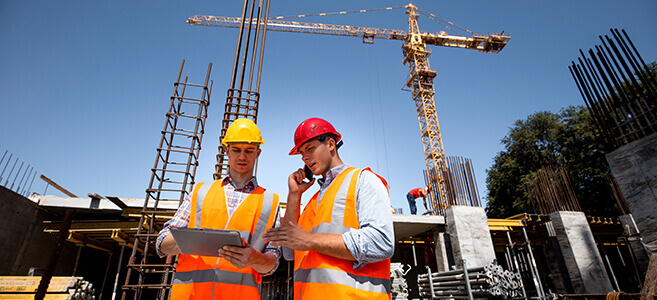
The first and foremost safety protocol for any project site and team is for the leader to lead by example. In the case of construction projects, it is the contractor that has to lead by example and show how different safety PPEs help everyone at work. Also, the contractor must further emphasize the importance of following safety measures at work areas. 

For this, the contractor has to follow and depict the right way of working alongside keeping safety measures and protocols intact and thus ensuring everyone follows the same. Whenever a leader lays the foundation of a strong ethical work environment, only then do the juniors follow. Hence, contractors, being the leaders, must lead by example.

Develop a Comprehensive Safety Plan

Safety plans can be of various types, from an annual training plan or a document that depicts the importance of all safety protocols. During construction projects, it is the safety document that is handed to all associates and staff to describe and predict what has to be the primary response in case of any danger or potential risk. 

Safety plans are carefully crafted and documented to ensure that everything is in order. Whenever there is a safety accident, there are comprehensive safety plans that offer everyone a stepwise guide regarding the next procedures for a safe evacuation, work continuation, and workplace safety. Devising a safety plan is necessary for any contractor to ensure that the project team is in safe hands.

Proper Training of Staff

Safety plans do contain a section of a comprehensive training plan for all the project associates regarding safety measures. Either before beginning a project or during the project, the contractor is responsible for giving extensive, detail-oriented, and meaningful training to associates that will guide them regarding safety measures to be taken care of regarding the current project. 

Providing these training further improves the workflow of the associates and guides them on how they can manage the tasks while keeping safety protocols intact. In essence, undertaking comprehensive training sets the associates well-prepared for all the work ahead and paves the way for future learning as well. 

Enforcing PPEs

PPEs or Personal Protective Equipment are common these days. Their presence is more mandatory just as their use. Numerous upgrades are being made to such an extent that what should be the proper placement for all PPEs? In essence, PPEs are all the necessary protective equipment that staff and associates can make use of while performing different project tasks.

However, having and placing PPEs may be a difficult task, but enforcing them is highly effective and essential. Enforcement of PPEs involves hard work from the contractor and also requires good input so the staff and labor know of its importance. This is one of the key works of any contractor when the need is to ensure that the staff does not bypass safety protocols and measures. 

Regular Inspection of Equipment

Not everything is related to associates’ work ethics and safety equipment, but it is also important for the contractor to establish an inspection system of equipment and tools. Project operations take place through various tools and equipment, each of a different nature and dynamics. For this, a regular inspection system must be carried out based on safety parameters and inspection standards. 

Having such a system adds to the safety enhancement and improvement of the system since the contractor and their team have a safe working environment. Furthermore, undergoing regular inspection keeps the equipment and tools operational and free from defects, even if some may arise during inspection. 

Implement Fall Prevention Measures

It is imperative and understood that construction projects do involve working at heights for most parts of the project phases. For this, associates are required to perform the task though with minimal support. However, the support must not be minimal when it comes to their personal safety and fall protection. There are numerous cases where safety negligence has caused fatal accidents involving people falling from heights due to various reasons. 

But a responsible contract and project leader it is essential that they implement harnesses, fall protection, guardrails, and safety nets. Other modern and advanced safety measures may be implemented for improved safety of the associates that are directed to work at heights. 

Cleanliness

Safety is directly linked to cleanliness. A clean workspace is another name for a safe workspace, and there are various ways to support this argument. A clean and tidy workspace is always easy to inspect for even minor errors and drawbacks and offers a cleaner vision for enhanced safety measures and protocols. 

Such clean areas improve even minor defects that may not be even hard; however, their presence feels untidy. For this, great places of work are always clean to have a look at whether there is any further room for improvement. In contrast, a cluttered workspace does not feel welcome to even look at it and thus hides potential risks, failures, and drawbacks. 

Management of Hazardous Material

The best thing or an added safety measure beforehand for project staff is that different types of hazardous materials are labeled on bags and packaging. What this does is that it offers the project staff a beforehand understanding and knowledge of how these materials must be handled. 

But this beforehand knowledge and understanding is imparted to them through an experienced contractor. Contractors are responsible for providing necessary guidelines to them regarding various safety protocols and measures of how these materials must be handled, inspected, and stored alongside their labelling and disposal methods. 

Monitor Weather Conditions

Construction projects are not always meant for indoors but also for outdoor work for which keeping an eye on weather is an utmost necessity. Weather conditions play a critical part in any construction project and phase, especially outdoor work. For this, it is not advisable to completely shut off the production or completely allow the work during bad weather under open sky. 

Rather, the project contractor must make a suitable plan regarding what types of weather permit the outdoor work operations to be held, whereas not permitting outdoor work when the weather is adverse. Contractors must keep natural calamities in check while allotting any type of work. 

"Conclusion"

Safety is an essential part of our lives. In the world of work, construction projects are highly critical forms of jobs and they require safety protocols implementation of the highest order. Safety protocols involve plans, training, measures, equipment, following rules, and ensuring everything is considered before a task is planned, handed over, and worked upon. 

Contractors, being project leaders, are at the forefront of any project. For this, their management and involvement in safety measures implementation is highly critical. There are many cases and incidents where contractors make light of safety protocols, and the staff follows the same, resulting in fatal losses of life and equipment. However, top contractors such as Silver Foundation do not compromise on safety measures and thus remain highly popular.  

Frequently Asked Questions

What are three basic safety rules for any type of work?

The three basic safety rules for any type of work include following safety work instructions, wearing PPEs whenever necessary, and conducting proper inspections before operating any equipment. 

How important is cleanliness to safety?

A clean and tidy workspace is always easy to inspect for even minor errors and drawbacks and offers a cleaner vision for enhanced safety measures and protocols. 

How does a contractor improve safety for workers working at heights?

Contractors may implement harnesses, fall protection, guardrails, safety nets, and other modern and advanced safety measures.

What are PPEs?

Personal Protective Equipment or PPEs are all the necessary protective equipment that staff and associates can make use of while performing different project tasks.

How important is safety training?

Providing safety training to associates guides them regarding safety measures to be taken care of regarding the current project.
The Impact Of Modern Technology On Contracting Services

Modern ways of doing work are sophisticated and involve fun. It is not mediocre to think of fun when it is actually helping you significantly in many ways. Construction projects are increasing day in and day out, with most countries shifting to infrastructural development. Countries like Saudi Arabia were known to be rich in oil and money but their transformation to a tourism hub is showing the world why diversification is necessary. The impact of technology in this regard is immense, and it is a positive gesture to have technology mixed with construction services. 

Construction work may look complex and simple alike, but with the addition of technology, it becomes streamlined. Technology is always directed at making your life easier and smoother. For this, contractors are the first ones to get hold of these useful tools. Tech and construction have solved great problems for contractors, and modern tech is helping contractors with visualization, planning, execution, and problem solving alike. So, what are the actual benefits that companies like Silver Foundation enjoy by using tech? Let’s decode them.

Technology and Innovation 

Technology is at the forefront of the future in any business and project. With the introduction of technology, it is vastly possible that you simply get help for any task ahead. In the construction world, much of the debate is regarding how to get things, store them, manage them, and keep a record of it all. If not done well, there is a debate, and a new chapter opens. For this, it is imperative that the contractors either become smart enough to keep their eyes open or switch to tech to give minimal input and get it all sorted out. Technology can be through equipment, tools, and software when it comes to managing a construction project, and the latter is at the heart of it. Software is the best helper for contractors when it comes to project management. And below, all the impact of technology over contracting services is through technical software technically. 

On-Site Efficiency Advancements 

As you know, construction projects are on-site projects. Hence, everything to be managed and assembled has to be done at the construction site. Thus, increasing the construction site’s efficiency is the necessary thing to do and contractors must manage to get the work done on time with all the available resources. But also, there are many cases and incidents when the actual labor and workforce cannot do the entire task without external help or at the stipulated time. And what contractor is worth it if they cannot look for a permanent solution to this ever-existing problem? 

Robotics and Automation On-Site 

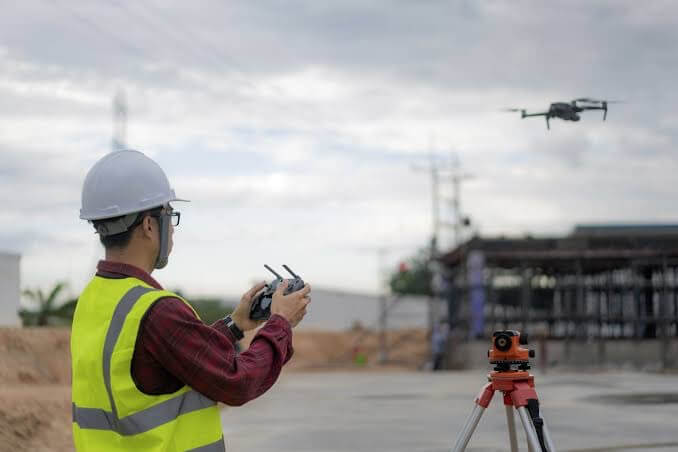
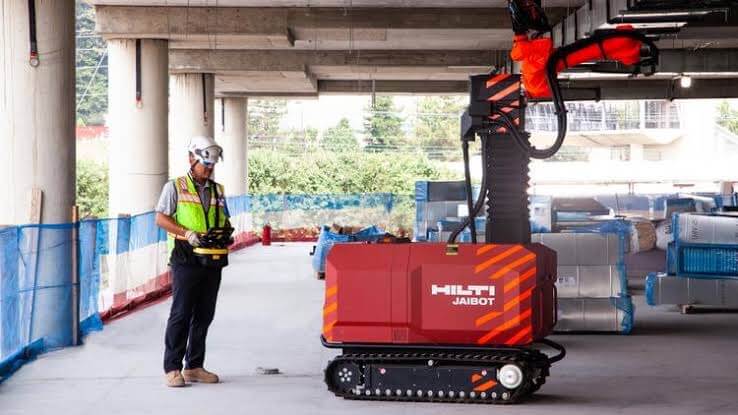
To improve on-site efficiency, construction contractors need not worry about any delays and shortage of labor. Instead, they can plan wisely by figuring out tasks and jobs that are on a rotation system. Robots can be installed with predefined automation systems that will help the contractors with the quick completion of tasks, saving labor costs at most. Drones can also be introduced at construction sites to assist in the surveillance of the site. And training associates to work with such robots and automation systems will always improve on-site efficiency. 

Enhancing Designs with Digital Tools 

In building construction or any construction, designing is the critical phase. Back in the day, it was paper and pen and numerous retakes regarding getting the perfect drawing or design of a building. Modernly, it has become a lot easier to get the right design with the help of automation and design software. Designing is key since it offers a look into the future building that it will shape out to become. But creating also ensures that no loopholes are present and the entire building is risk-free, accurate, and does not pose any risks. As for risks, the project analysis phase does come up with certain risks involved.

Building Information Modelling (BIM) and Integration 

BIM, or Building Information Modelling, is the software that has been red-hot in the construction market these days and for some time now. Two basic reasons for BIM’s popularity are the easiness of all concerned parties to link up on the same platform alongside helping identify potential concerns and failures, easing the solution process and saving a considerable amount of time. With integration with Augmented Reality or AR, contractors enjoy a pre-designed 3D render of the entire project even before the construction begins.

Project Management Through Software 

To begin with, project management is all about ensuring all activities, equipment, associates, and tasks are up to the mark and as per the schedule. But to provide this in the first place, a solid plan must be on the table and in the access of all concerned parties. Furthermore, the list of requirements, their update, and availability is another key thing to keep in mind when it comes to project management. All such things are almost impossible to do manually and ensure the correctness of these. However, technology in the form of software does come to help. 

Revolutionizing Project Management 

Project management of any construction project is revolutionized with the introduction of technology. For example, there are different top of the line and world-acclaimed software present, offering people loads of benefits through their use. Now, contractors can easily make project plans, monitor them, and check for project progress status against different concerns and control items. With software, it is possible to share live status with all concerned parties, have discussions, and keep a log of many things. Also, contractors can manage resources with great accuracy using this software. 

"Conclusion"

Modernism in anything simplifies, streamlines, and improves a process. In the world of construction, modernism entered late, yet its introduction is satisfactory. Technology is the main advent in the world of construction, and construction contractors are the ones that are being benefitted from it. Silver Foundation and many other top-notch contractors make use of various technological options, such as software that is dedicatedly built to help in a construction project. Contractors are always encouraged to improve their project management through these options.

Frequently Asked Questions

How does modern technology affect construction?

Modern technology helps contractors in a way that they break down complex items into smaller units, easing their management, tracking, and improving them bit by bit. 

How can technology improve the construction industry?

The introduction of technology is to ease and improve anything simply. In the construction industry, the introduction of technology helps in improving design quality, reducing errors and reworks, increasing the percentage of successful work, and improving cost control. 

What are three common technologies used in the construction field?

The three common technologies used in the construction field are artificial intelligence, Building Information Modelling or BIM software, and 3D Printing Houses and LiDAR. 

What is the concept of technology in construction?

The concept of technology in construction is that the addition and use of technology and software will help significantly in simplifying and improving the construction project while allowing good management. 

What is modern building technology?

Modern building technology is a way of having pre-designed and pre-finished 3D renders of a building that will allow contractors to have a futuristic view of the building, allowing for error searching and rectifying them beforehand. 

Innovative Construction Techniques Used By Contractors

For a contractor, life takes work. Everyone expects a speedy completion of work and tasks alongside multitasking for time-saving. But no one gives them valuable suggestions and help when managing functions on time and killing off the travel time of projects and products. In construction projects, most of the work is done on the site. This may be beneficial in one way but also requires all more minor things to be done at a site that asks for swift and improved management. To combat this, many top contractors worldwide, such as Silver Foundation in Saudi Arabia, use innovative techniques that help ease the burden of construction project management.

3D Volumetric Construction

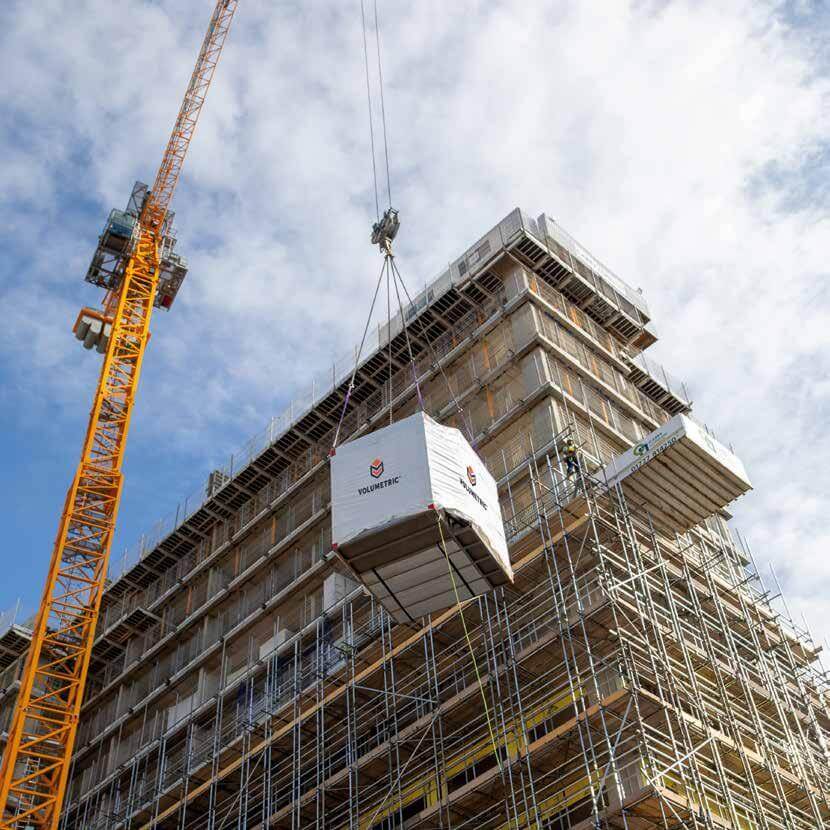
Much similar to the Pre-Engineered Flat Panel Systems, 3D Volumetric Construction is a method that involves easy 3D construction of a building section at any off-site. Compared with the Pre-Engineered Flat Panel System, this method consists of constructing the entire section and not only walls and floor panels, as with the former. 

Time Saving and Managing

The benefits of both the systems and techniques save time for complex projects. With the entire section being created at an off-site, all that is required is the transportation of these sections for assembly. Easy fitting helps projects with fewer requirements in funds, workers, and climate restrictions such as weather. 


Raised Access Flooring

Modern construction is all about utilizing existing spaces and ensuring maintenance is easy. Based on this technique and idea, Raised Access Flooring idea and technique has been gaining much popularity, especially for commercial buildings and office spaces. The idea or technique is to have floor panels placed at an elevation compared to the original base surface. 

Having an Ample Space That Matters!

In other words, a hidden space exists between the base and the elevated floor panel. The space is used for electrical wiring, plumbing, HVAC systems, etc. Two primary benefits of such a technique include easy maintenance and easy transformation, especially for spaces that often undergo renovation often undergo renovation.

AR Assistance in Building

Augmented Reality, or AR, is the next best thing in construction. Many research platforms even suggest that AR will be the new VR in the coming 3 to 5 years with the approach it offers for contractors. AR is also linked with building information modelling (BIM), another standard tool used in construction management. 

AR and BIM Integration Benefits for Better Visualization

This integration allows contractors to interact with 3D renders of a building that has yet to be worked upon or a construction that has yet to begin. With Augmented Reality Assistance, contractors can visualize everything about the building through its 3D renderings and depict critical, helpful information.

Pre-Engineered Flat Panel Systems

As construction occurs on a dedicated site, many tasks are already happening in the vicinity. This is because minimal tasks get in the queue for space and workers; thus, a delay is often seen. With a pre-engineered flat panel system, floor and wall unit productions are shifted to off-site.

Purpose of Using the Pre-Engineering System

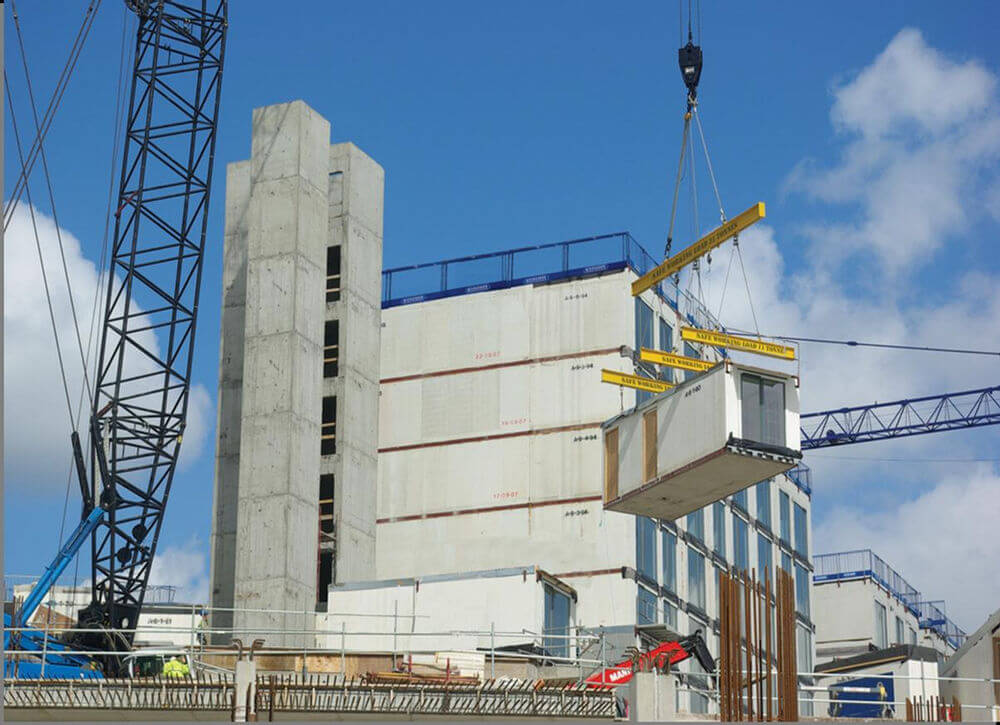
The technique means they are fabricated at any other location apart from the construction site, and all that is left to do is assemble these components at the site. At best, it allows for simultaneous multi-production, allowing for complex and extensive projects to be completed on and before time. 

Insulating Concrete Formwork (ICF) Technique

There is always the need to cancel out heat and ensure good thermal and acoustic insulation within the buildings. Countries like Saudi Arabia have high temperatures throughout the year. For this, thermal insulation is of the highest requirement. Similarly, corporate offices require extreme noise cancellation for a smooth work environment. 

The Idea of High-Quality Insulation Using Concrete

For them, the Insulating Concrete Framework Technique is of great aid. This technique involves the creation of solid structures with double-walled polystyrene panels that are filled with concrete ready-mixed. The process reduces cooling and heating costs, thus resulting in an ideal soundproof building with controlled internal temperatures. 

"Conclusion"

Construction projects are highly critical, time-consuming, and labor-dependent. Modern innovative techniques are coming forward that allow a reduction in these and other factors that have a say in construction projects. Creative solutions that save time and require multi-production are crucial since they pave the way for future development of the highest order. Silver Foundation and other top-notch construction contractors know the importance of unique techniques so each project is extended and completed on time, and more projects are covered in time. Following these systems improves business, allows more projects, and helps a company to grow. 

Frequently Asked Questions

What are some of the innovative techniques in building construction?

Some innovative construction techniques include Pre-Engineered Flat Panel Systems, an Insulating Concrete Formwork (ICF) Technique, Augmented Reality Assistance in Building, Raised Access Flooring, and 3D Volumetric Construction.

What is an innovative construction method?

The innovative construction method is a method that involves or utilizes new techniques, tools, and technology to solve a problem, lag, or speed up the construction work for increased productivity. 

What is the most-awaited future innovation in the construction industry?

The construction industry is highly awaiting the improvement in augmented reality (AR) to enhance the assistance of a project contractor to visualize the project and building better. 

What are some brainstorming techniques that can help with innovative ideas?

Some standard brainstorming techniques that can help with innovative ideas include six thinking hats, mind maps, affinity diagrams, fishbone diagrams, 5-Whys, and role-playing exercises. 

How is AI used in construction?

AI is used in construction in many ways, such as analyzing data for building efficiency, indoor air quality, energy efficiency, energy conservation, and optimal temperature control. 

Ensuring Quality and Compliance in Construction Projects

HVAC (Heating, Ventilation, and Air Conditioning) systems are crucial parts of any building. Buildings are prone to the accumulation of heat trapped inside due to ineffective ventilation measures. In these current times, energy-efficient solutions are necessary to employ in the design phase. Saudi Arabia relies hugely on investing in solutions to provide class-leading HVAC systems. Known to everyone, the Gulf region’s climate and scorching heat demand constant improvements and modifications in existing HVAC systems. Saudi Arabia’s aspiring infrastructure expansion plans, including mega projects such as NEOM, the Red Sea Project, and Vision 2030 initiatives, are driving substantial demand for HVAC systems.

Construction projects are multifaceted, exhausting, and often time-consuming. All of this is due to multiple necessities of small and large scale that comprise the project. With many requirements relating to non-functional aspects of the project, some requirements do require considerable planning and execution since they reflect outputs in many ways. One such prime construction requirement is in the form of HVAC which is a branch of an MEP system. MEP systems are widely incorporated in commercial and private buildings across the globe, dominantly in Saudi Arabia. A major reason is the emphasis on construction management in the KSA.

Saudi Arabia’s business Infrastructure hugely relies on good and reasonable HVAC (Heating, Ventilation, and Air conditioning) systems to cater to the needs of their businesses which eventually help in leveraging the overall economy of the country. To have optimized performance of HVAC systems, maintaining HVAC systems is required at a greater level. Saudi Arabia’s commitment to green building standards, including the Saudi Building Code (SBC) and LEED certification, underscores the importance of MEP services in achieving energy efficiency. These standards provide a framework for MEP engineers and designers to innovate and implement solutions that align with global sustainability practices. A one-stop solution is always available to serve you in Saudi Arabia named as Silver Foundation.

In a nutshell, ‘compliance’ is the act of following laws, regulations, standards, warrants, terms, conditions, and requests within an industry. Being compliant ensures the health and safety of the public and demonstrates that your company is a responsible business. The construction industry is responsible for a wide range of activities from building roads and bridges to constructing buildings. As such, there are numerous areas of compliance that companies involved in the construction sector must meet to remain compliant with legislation, such as ISO 14001 and ISO 45001.

Compliance in Construction for Suppliers

Within the construction industry, compliance is essential for suppliers and subcontractors delivering trade services across the sector. Demonstrating compliance opens more doors when tendering for future opportunities, as it shows that you have the necessary certifications and expertise to carry out work safely and by building regulations. It is also an assurance of quality, demonstrating that your products and services meet industry standards, allowing building material suppliers to satisfy their supply chains. Better yet, compliance exposes suppliers to both Public Sector organizations and Principal Contractors, creating the potential to access lucrative government contracts and work on high-profile projects.

Why is Compliance Important for Buyers?

Whether it’s for reviewing their current supply chain partners or managing data as part of the project management process, compliance in construction is just as important for buyers as it is for suppliers. Demonstrating compliance helps buyers to ensure that their current and future partners are meeting the necessary health and safety standards, as well as protecting themselves both financially and legally. Compliance also helps them to identify fraudulent activities, such as ghost workers, within their supply chain. Meeting environmental and social value targets is also an essential part of any construction project, and compliance can help to demonstrate that these targets have been met.

Quality Control in Construction

Construction quality control is a system of management that ensures that deliverables meet the standards and guidelines set by the client at the beginning of the construction process. This can include several criteria, such as completing the project within the scope of work. In the end, the client, regulatory bodies, and EPA guidelines decide quality. Quality control and quality assurance are two equally important arms of construction quality. While assurance refers to setting quality management expectations, quality control refers to the plans and procedures that achieve high-quality outcomes. Issues arise in construction quality control when the factors affecting the quality are not properly identified and addressed. 

Quality Control Approaches

There are several ways to approach quality control management in construction, with each having its pros and cons depending on the needs and scope of a company’s projects. The International Organization for Standardization established a set of quality standards called ISO 9001. These seven standards are based on the engagement of people, customer focus, leadership, process approach, improvement, evidence-based decision-making, and relationship management. Additionally, there are four other main approaches to quality control management in construction:

Kaizen

A Japanese word that means “change for the better,” Kaizen refers to a philosophy of continuously looking for ways to improve that is applied to quality control management. When all members of an organization implement Kaizen to their daily practices, gradual improvements can be seen over time.

Six Sigma

This problem-solving framework focuses on proactively identifying and solving issues that arise. The main steps to this quality control management approach are to Define, Measure, Analyze, Improve, and Control.

Continuous Improvement

Focuses on continuous incremental improvements to processes over time. Improvements are discovered through customer feedback and internal analytics processes.

Lean Management

Waste elimination and reduction are key factors to this approach. Waste is determined by extraneous processes and materials that don’t provide value to customers or construction companies.

How to Ensure Construction Quality Control

Constructional quality control definitions vary slightly between organizations, but there are some things that all construction industry professionals must take into consideration when implementing quality control management protocols.

Quality Control Checklist

Quality control criteria and expectations can be difficult to communicate and manage across teams without a standardized quality control checklist. A checklist simplifies the inspection process, making sure that critical aspects of quality control are not overlooked. Additionally, checklists also help clearly communicate areas of concern and the specific tasks each construction team member is responsible for.

Have an Inspection Plan

Inspections should take place regularly as a part of a thorough quality assurance plan at different points in the construction process. However, before conducting any inspections it’s crucial that organizations create a plan that details what needs to be inspected and what an acceptable result looks like. All completed work should meet client criteria, company expectations, and any other indications brought forth by invested parties.

"Conclusion"

” During or before starting any construction project, communication and quality control must go hand in hand. Without having a plan to effectively communicate policy among the engineers and team, compliance, safety standards, and building expectations, quality control will be an endless process. Quality control should be a part of all communications and discussions about project specifications, and all contractors and involved parties should clearly understand what is expected of them. Contractors like Silver Foundation are here to serve you with the possible best solutions for your dream project. Effective communications with builders and clients must also be exceptional because clients are the deciding factor of whether a project is executed according to their standards. When construction project managers collect client specifications there should be a plan in place to communicate these expectations with crews and individuals that are affected. Silver Foundation is strictly adhered to quality and safety standards to promote and ensure safe on-site works. “

Frequently Asked Questions

What is the role of quality control in construction?

In construction, quality control refers to the processes and procedures that are involved to ensure that all materials and completed projects meet high standards and criteria that are put in place during the planning stages of the process.

How do you manage quality control in construction?

Managing construction quality control requires that several teams of people are organized towards successfully achieving quality construction projects. A quality control manager will be heavily involved in every step of managing quality and inspections and will need to be communicative with teams, clients, and contractors.

What is the quality control process in construction?

The quality control process in construction includes 5 key steps:

  1. Define and communicate acceptable criteria.
  2. Create an inspection plan.
  3. Use checklists and notes to conduct inspections.
  4. Correct deficiencies and verify acceptance criteria.
  5. Analyze to prevent future deficiencies. 

Offsite Construction: Streamlining the Building Process for Efficiency and Quality

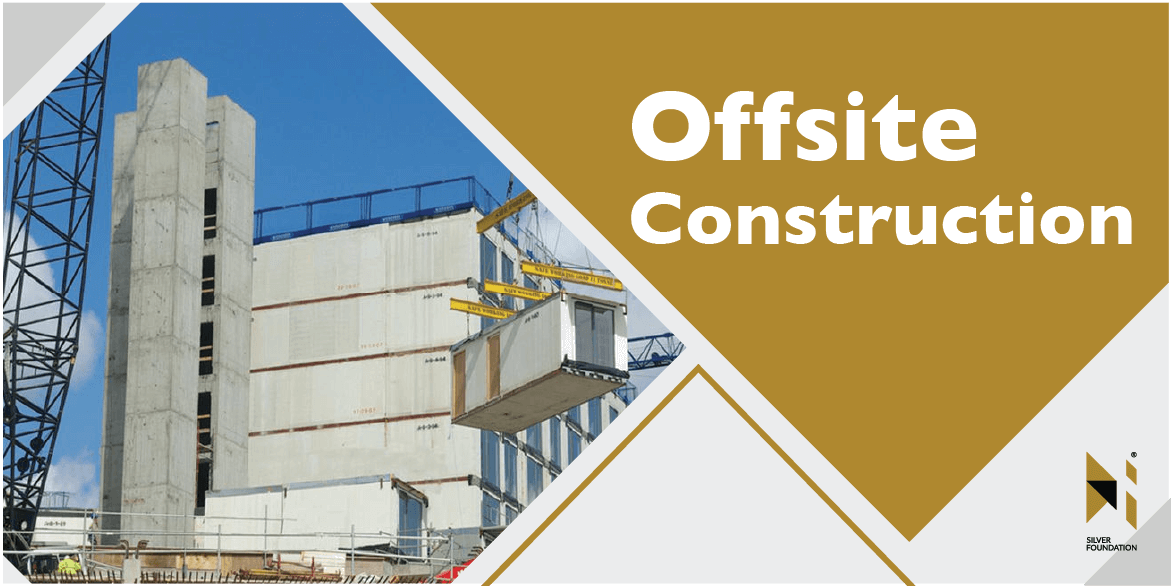
As the construction industry grapples with challenges such as labor shortages, rising material costs, and sustainability concerns, offsite construction emerges as a promising solution. Offsite construction involves the production of building components in a factory setting, which are then transported to the site for assembly. This approach streamlines the building process, leading to increased efficiency, reduced waste, and improved quality.

Efficiency: Saving Time and Reducing Waste

One of the most significant benefits of offsite construction is its potential for **efficiency**. Because components are manufactured in a controlled environment, construction can proceed regardless of weather conditions, reducing delays and speeding up the building timeline.
The factory setting also allows for precision manufacturing and assembly-line efficiency. This not only speeds up the process but also reduces waste, as materials can be used more efficiently and any offcuts can be recycled within the factory.

Quality: Consistency and Precision

Offsite construction can result in a higher **quality** end product. In a factory, conditions are controlled and processes are standardized, leading to more consistent results. Precision tools and machinery can be used to ensure that components meet exact specifications, reducing the risk of errors and defects.
Furthermore, quality checks can be performed throughout the manufacturing process, rather than at the end of the construction process. This allows for issues to be identified and corrected earlier, further improving the quality of the end product.

Flexibility: Customizable and Scalable

Despite the standardized processes, offsite construction offers a high degree of **flexibility**. Building components can be customized to meet specific design requirements, and the production process can be easily scaled up or down to meet demand.
This flexibility makes offsite construction suitable for a wide range of projects, from single-family homes to large-scale commercial buildings. It also allows for innovative designs and construction methods, as new technologies and materials can be easily incorporated into the production process.
Sustainability: Reducing Environmental Impact
Finally, offsite construction has significant **sustainability** benefits. The reduction in waste, combined with the efficient use of materials and energy, makes offsite construction a more environmentally friendly approach.
In addition, because components are manufactured offsite, there is less disruption to the site and its surroundings. This reduces noise, dust, and traffic associated with traditional construction, leading to a lower environmental impact.

Conclusion

Offsite construction is transforming the building process, offering efficiency, quality, flexibility, and sustainability benefits. While there are still challenges to overcome—including transportation logistics and regulatory hurdles—the potential of offsite construction is undeniable.

As the construction industry continues to evolve, offsite construction is likely to play an increasingly important role. By embracing this approach, the industry can not only address its current challenges but also pave the way for a more sustainable and efficient future.

Global Construction Trends: A Look at Developments Around the World

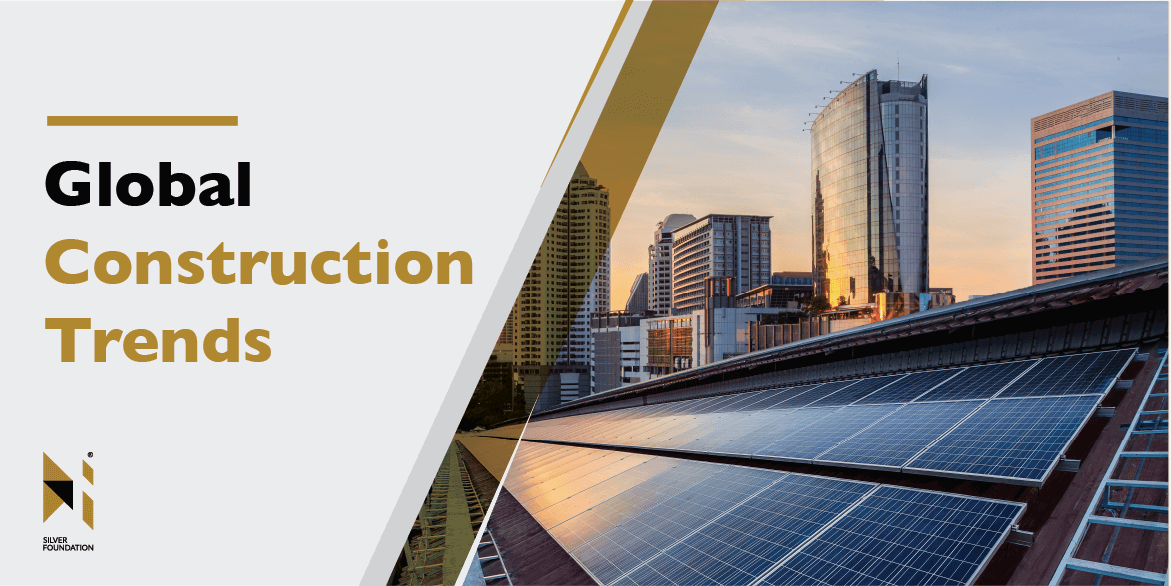
In an ever-evolving world, the construction industry is not left behind. It is continuously shaped by new trends and technologies, creating a dynamic and exciting landscape. From green buildings in Europe to prefabricated structures in Asia, to digitalization in North America, here’s a look at the global construction trends shaping the industry.

Europe: Green and Sustainable Building

A significant trend in Europe is the increasing emphasis on sustainable and green building The [European Green Deal] has set the tone for a “green wave” in construction, promoting energy-efficient buildings, reduced greenhouse gas emissions, and the use of sustainable materials.
The focus on carbon-neutral construction and retrofitting existing structures to meet new energy efficiency standards is a significant driver. New technologies such as green concrete and energy-generating solar windows are also gaining attention.

Asia: Prefabrication and Modular Construction

In Asia, prefabrication and modular construction are leading the way. This trend is driven by multiple factors, including labor shortages, rapid urbanization, and the need for efficient and cost-effective construction methods.
China, in particular, has been at the forefront of this trend with its impressive feats of rapid construction. Prefabricated and modular buildings are built off-site, then assembled on-site, reducing construction time and waste. This method also offers the flexibility to disassemble and relocate buildings, a feature that resonates with the transient nature of urban development in many Asian cities.

North America: Digitalization and Construction Tech

Digitalization and construction technology or ConTech, is a trend that has swept across North America. This trend is characterized by the use of software and digital tools to plan, design, and manage construction projects, improving efficiency and reducing costs.
Building Information Modeling (BIM) is being widely adopted, creating 3D models of buildings that can be interactively explored before they’re built. This allows for better planning and fewer errors in the construction process.
Drone technology is also being used for site surveys, inspections, and progress monitoring. Additionally, augmented reality (AR) and virtual reality (VR) technologies are gaining traction, offering immersive ways to visualize and interact with construction projects.

Africa: Affordable Housing and Local Material Use

Africa’s construction industry is seeing a growing emphasis on **affordable housing and local material use**. Rapid urbanization has increased the demand for affordable housing, leading to innovative construction methods designed to lower costs and speed up building times.
The use of local materials is also being promoted to reduce costs and make construction projects more sustainable. For example, in Rwanda, affordable housing projects are making use of bricks made from local volcanic ash, providing a cheaper and more eco-friendly alternative to traditional bricks.

Latin America: Infrastructure Development

Infrastructure development is a significant trend in Latin America, driven by increasing urban populations and the need for improved transport, water, and energy infrastructure. Governments across the region are prioritizing infrastructure projects, leading to a surge in construction activity.
This trend is also leading to increased use of public-private partnerships (PPPs) to fund and manage large-scale infrastructure projects. These partnerships combine public oversight with private sector efficiency, potentially resulting in better outcomes for these critical projects.

Conclusion

In a world increasingly focused on sustainability, efficiency, and digitalization, the construction industry is adapting to meet these demands. The trends discussed above reflect the diverse ways in which this is happening around the globe. As these trends continue to evolve, they will no doubt shape the future of the construction industry, making it more sustainable, efficient, and technologically advanced.

Building Resilient Cities: Climate-Adaptive Construction Techniques

Climate change has emerged as one of the most pressing challenges of our time. As global temperatures continue to rise, cities around the world are facing increasingly severe climate-related hazards, such as floods, storms, heatwaves, and rising sea levels. Building resilient cities has become an urgent priority for urban planners, architects, and engineers. This blog will explore the concept of resilient cities and discuss some of the most innovative climate-adaptive construction techniques that are helping to protect urban environments and their inhabitants from the impacts of climate change.

What is a Resilient City?

A resilient city is one that can withstand and recover from the impacts of climate change, natural disasters, and other stressors. Resilience is not only about preparing for and coping with extreme events, but also about adapting and transforming urban systems in response to long-term changes in climate and environmental conditions. Building resilient cities involves a wide range of strategies, from improving infrastructure and building design to fostering social cohesion and strengthening local economies.

Climate-Adaptive Construction Techniques

The construction sector plays a critical role in shaping the resilience of cities. By adopting innovative climate-adaptive construction techniques, we can create buildings and infrastructure that are better equipped to withstand the impacts of climate change. Some of the most promising techniques include:

Green Roofs and Walls
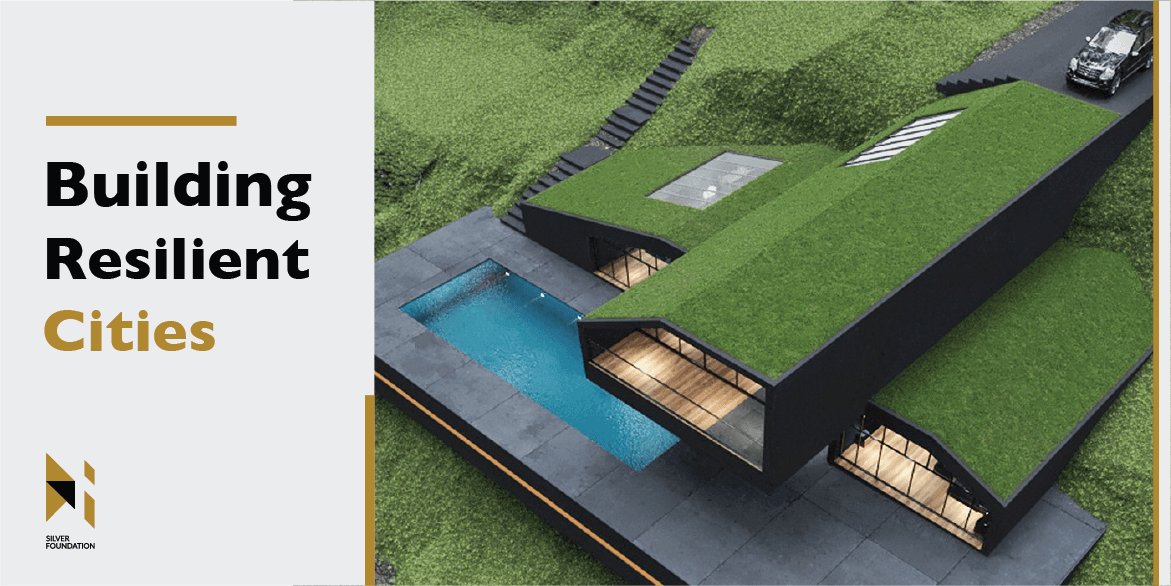
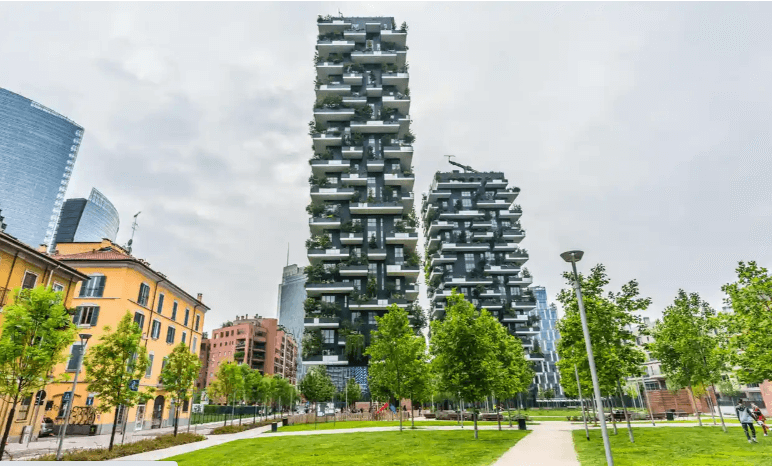
Green roofs and walls are covered with vegetation, which helps to reduce heat absorption, improve air quality, and manage storm water runoff. By acting as insulation, green roofs keep buildings cooler in the summer and warmer in the winter, reducing energy consumption and greenhouse gas emissions. Green walls can also provide a natural barrier against heat and noise pollution, improving the comfort and well-being of building occupants.

Flood-Resistant Design
Flood-resistant design involves building structures that can withstand and recover quickly from flooding events. This can include elevating buildings above anticipated flood levels, installing watertight doors and windows, and using materials that are resistant to water damage. Permeable surfaces, such as porous pavement, can also be used to help manage storm water runoff and reduce the risk of flooding in urban areas.

Cool Pavements and Surfaces
Cool pavements and surfaces are designed to reflect more sunlight and absorb less heat than conventional materials, such as asphalt. This can help to reduce the urban heat island effect, which occurs when built-up areas become significantly warmer than their rural surroundings due to the absorption and re-radiation of heat by buildings and pavements. By mitigating the urban heat island effect, cool pavements can improve air quality, reduce energy consumption, and enhance the comfort and health of urban residents.

Passive Solar Design
Passive solar design uses the sun’s energy to heat, cool, and light buildings without the need for mechanical systems. By taking advantage of natural ventilation, thermal mass, and solar orientation, passive solar design can significantly reduce the energy consumption and environmental impacts of buildings. Some key principles of passive solar design include maximizing south-facing windows, using thermal mass to store heat, and providing effective shading and insulation.

Modular and Prefabricated Construction

Modular and prefabricated construction techniques involve assembling buildings from pre-made components, which can be manufactured off-site and transported to the construction site for assembly. This approach can reduce waste, minimize disruption to the local environment, and allow for faster and more efficient construction. In addition, modular and prefabricated buildings can be designed to be more resilient to extreme weather events and natural disasters.

Conclusion

Building resilient cities is essential for protecting our urban environments and their inhabitants from the impacts of climate change. By adopting innovative climate-adaptive construction techniques, we can create buildings and infrastructure that are more resilient, sustainable, and adaptable to changing environmental conditions. By working together, urban planners, architects, engineers, and policymakers can help to ensure that our cities are better prepared for the challenges of the future.


Construction Site Safety: Best Practices and Innovations

Construction site safety is a critical aspect of the industry, with a direct impact on worker wellbeing, project timelines, and overall project success. As construction projects become more complex, embracing best practices and innovative technologies to improve safety is paramount. This blog post will delve into essential construction site safety practices and explore cutting-edge innovations that are shaping the future of construction safety management.

The Importance of Construction Site Safety

Construction sites are inherently hazardous environments, with workers often exposed to risks such as falls, vehicle accidents, and contact with dangerous materials or equipment. Ensuring safety on construction sites is crucial for several reasons:

1. Protecting worker health and wellbeing: The primary goal of construction safety management is to prevent injuries and fatalities among workers, ensuring a healthy and productive workforce.

2. Minimizing project delays and financial losses: Accidents and injuries can lead to project delays, increased costs, and potential legal liabilities for construction companies.

3. Enhancing company reputation: A strong safety record can improve a company’s reputation, making it more appealing to clients, partners, and potential employees.

Best Practices for Construction Site Safety

Implementing best practices for construction site safety is essential to minimize risks and create a safe working environment. Some key practices include:

Comprehensive Safety Training

Providing comprehensive safety training for all workers is crucial to ensure they understand the potential hazards on-site and the appropriate precautions to take. Regular refresher courses should also be conducted to keep workers up to date with safety procedures and industry regulations.

Personal Protective Equipment (PPE)

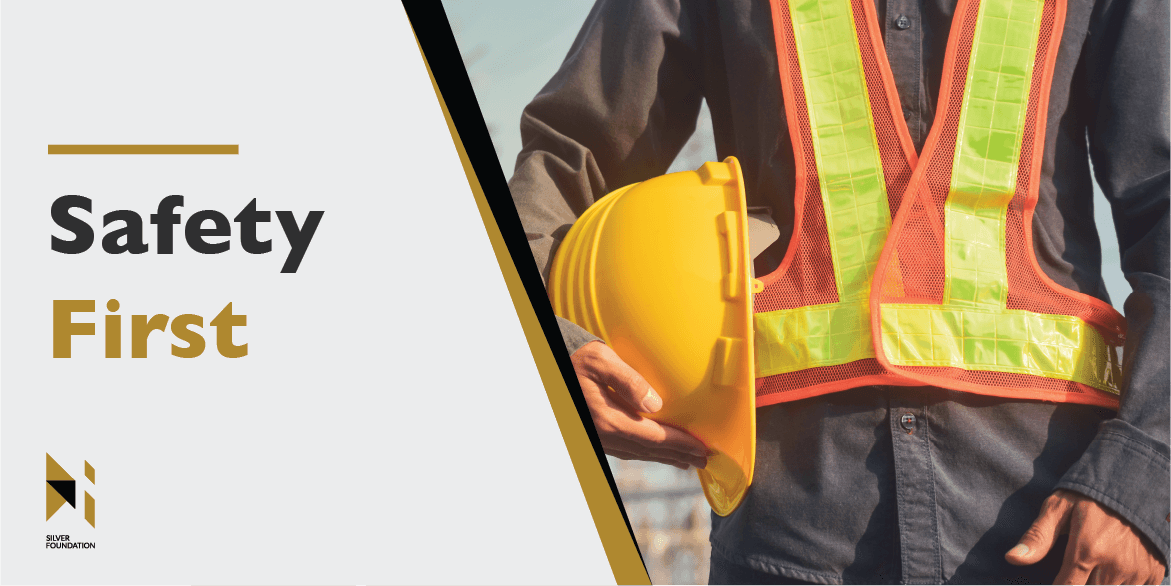
Workers should be equipped with appropriate PPE, such as hard hats, safety goggles, high-visibility vests, and hearing protection, to reduce the risk of injury. Employers must ensure that PPE is well-maintained, readily available, and worn correctly at all times.

Proper Use and Maintenance of Equipment

Using equipment safely and correctly is critical in preventing accidents on construction sites. Workers should be trained in the proper use, inspection, and maintenance of equipment and tools. Additionally, regular equipment checks should be conducted to identify and rectify any malfunctions or damage.

Clear Communication and Signage

Effective communication is key to ensuring safety on construction sites. Employers should establish clear channels of communication, hold regular safety meetings, and display safety signage throughout the site to inform workers of potential hazards and safe work practices.

 Housekeeping and Organization

Maintaining a clean and organized construction site can help prevent accidents caused by tripping hazards, falling objects, or obstructed pathways. Regular housekeeping and organization should be prioritized, with designated areas for tool storage, waste disposal, and material staging.


Innovations in Construction Site Safety

Emerging technologies are transforming the field of construction safety, offering new ways to monitor hazards, improve training, and enhance overall site safety. Some notable innovations include:

Wearable Technology

Wearable devices, such as smart hard hats or safety vests with embedded sensors, can monitor workers’ vital signs, location, and fatigue levels, alerting supervisors to potential safety concerns in real-time. Additionally, wearables can detect falls or other accidents, allowing for a rapid response in emergencies.

Drones and Robotics

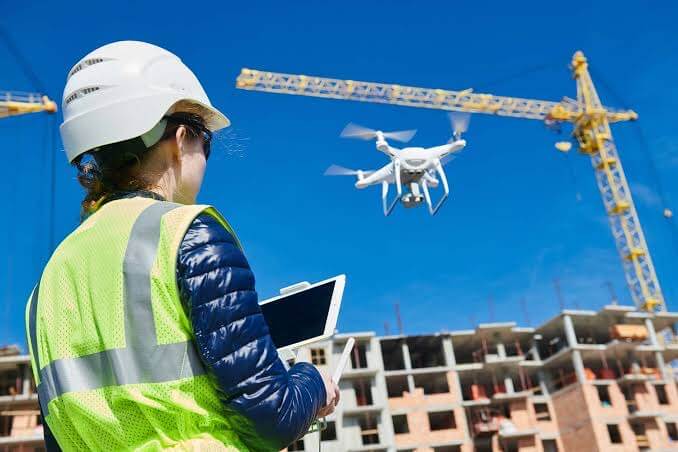
Drones and robotic equipment can be used to conduct inspections or perform tasks in hazardous areas, minimizing human exposure to dangerous situations. Drones can also assist in monitoring site progress and identifying potential safety hazards from an aerial perspective.

Virtual Reality (VR) and Augmented Reality (AR)

VR and AR technologies can enhance safety training by providing immersive, realistic simulations of construction site hazards and emergency situations. These technologies can also be used on-site to overlay safety information or instructions onto workers’ field of view, improving communication and situational awareness.

Artificial Intelligence (AI) and Data Analysis AI-powered tools can analyze vast amounts of data from construction sites, identifying trends and patterns related to safety incidents. This information can be used to inform safety practices, predict potential hazards, and develop targeted interventions to reduce risks.

Conclusion

In conclusion, construction site safety is an integral part of the industry, with best practices and technological innovations playing a vital role in protecting workers and ensuring project success. By embracing these safety measures and staying abreast of emerging technologies, construction companies can create a safer, more efficient, and productive work environment for all involved.

The Future of Construction: AI’s Transformative Impact on the Industry

The construction industry is on the cusp of a revolution, with artificial intelligence (AI) paving the way for a more streamlined, efficient, and innovative future. As a vital sector responsible for the development of infrastructure, housing, and commercial spaces, the construction industry stands to benefit greatly from the integration of AI. In this blog post, we’ll explore how AI is transforming the construction business, from planning and design to execution and maintenance.

Enhanced Planning and Design

AI has the potential to revolutionize the planning and design phase of construction projects. By leveraging advanced algorithms and machine learning, AI can analyze complex data sets and generate optimized designs that take into consideration factors such as structural stability, energy efficiency, and cost constraints. This leads to faster, more accurate, and cost-effective planning and design processes. Additionally, AI-powered generative design tools can produce multiple design iterations in a matter of seconds, allowing architects and engineers to explore more possibilities and select the best option for a given project. This not only saves time and resources but also allows for the creation of more innovative and sustainable designs.

Improved Project Management

Effective project management is crucial in ensuring the success of construction projects. AI can be utilized for better project management by automating tasks, tracking progress, and identifying potential issues before they escalate. Machine learning algorithms can analyze historical data to predict project outcomes and inform decision-making, helping project managers optimize resources, reduce risks, and improve overall efficiency.
Furthermore, AI can be used to create intelligent scheduling systems that take into account factors such as weather conditions, worker availability, and supply chain disruptions to optimize project timelines and reduce delays.

Enhanced Construction Site Safety

The construction industry is well-known for its hazardous working conditions, and AI has the potential to significantly improve safety on construction sites. AI-powered equipment can detect potential hazards and alert workers to unsafe conditions in real-time. Drones equipped with AI technology can also be used to monitor construction sites, identifying safety issues and providing valuable data to improve overall site safety.

Automation and Robotics

AI-driven robotics and automation are changing the way construction projects are executed. Autonomous construction equipment, such as excavators and bulldozers, can perform tasks without human intervention, leading to increased efficiency and reduced labor costs. Robotic bricklayers, for example, can lay bricks up to six times faster than a human worker, significantly accelerating the construction process.
Moreover, AI-powered robots can be used in hazardous or hard-to-reach areas, reducing the risk of injury to human workers and enabling construction in otherwise inaccessible locations.

Building Maintenance and Inspection

AI can play a crucial role in the maintenance and inspection of completed construction projects. Drones and robots equipped with AI technology can efficiently perform inspections to identify potential issues, such as structural damage, leaks, or energy inefficiencies. This data can be used to optimize maintenance schedules and ensure the longevity of buildings and infrastructure.

Conclusion

In conclusion, AI is set to have a transformative impact on the construction industry, from enhancing planning and design to automating tasks and improving safety. By embracing this technology, the construction business will be able to deliver projects more efficiently, reduce costs, and create more sustainable, innovative structures for the future.


Embracing Green Building: The Future of Sustainable Construction

As concerns about environmental impact and resource efficiency continue to grow, green building has emerged as a powerful solution for a more sustainable future. In this blog, we’ll explore the concept of green building, discuss its key principles, and highlight some of the benefits it offers to both the environment and the people who inhabit these eco-friendly spaces.

What is Green Building?

Green building, also known as sustainable or eco-friendly construction, refers to the practice of designing, constructing, and operating buildings in a way that minimizes their environmental impact, while also prioritizing the health and well-being of occupants. This holistic approach encompasses every aspect of the building process, from site selection and materials to energy efficiency and indoor air quality.

Principles of Green Building

Green building is guided by a set of key principles that aim to promote sustainability and reduce negative environmental impacts. Some of these principles include:

1. Energy Efficiency: Green buildings are designed to minimize energy consumption through the use of passive design strategies, high-efficiency appliances, and renewable energy sources, such as solar panels or wind turbines.

2. Water Conservation: Sustainable buildings incorporate water-saving features, such as rainwater harvesting systems, greywater recycling, and low-flow plumbing fixtures, to reduce water consumption and minimize the strain on local water resources.

3. Sustainable Materials: Green building prioritizes the use of eco-friendly, durable, and recycled materials, as well as responsibly sourced timber and other renewable resources, to reduce the environmental impact of construction.

4. Waste Reduction: Sustainable construction practices aim to minimize waste generation and promote recycling and reuse of materials throughout the building’s lifecycle, from construction and operation to demolition and deconstruction.

5. Indoor Environmental Quality: Green buildings prioritize the health and well-being of occupants by ensuring optimal indoor air quality, natural lighting, and thermal comfort.

6. Site Selection and Land Use: Sustainable building emphasizes responsible site selection, striving to minimize the impact on local ecosystems, preserve green spaces, and promote smart growth and urban infill development.

Benefits of Green Building

Embracing green building principles can lead to a wide range of environmental, economic, and social benefits:

Environmental Benefits
– Reduced Emissions: Green buildings consume less energy, which translates to lower greenhouse gas emissions and a smaller carbon footprint.
– Resource Conservation: By using sustainable materials and promoting water efficiency, green buildings help conserve valuable natural resources and reduce waste.
– Biodiversity Preservation: Responsible site selection and land use practices can help protect local ecosystems and preserve biodiversity.

Economic Benefits
– Lower Operating Costs: Energy-efficient buildings can result in significant savings on utility bills and lower maintenance costs, making them more cost-effective in the long run.
– Increased Property Value: Green buildings tend to have higher property values, as more people are recognizing the benefits of sustainable living.
– Job Creation: The growing demand for green building and sustainable practices has led to the creation of new jobs in the green construction industry.

Social Benefits
– Improved Health and Well-being: Green buildings prioritize indoor environmental quality, which can lead to better health outcomes and increased productivity for occupants.
– Community Connectivity: Sustainable buildings often emphasize accessibility and connectivity, fostering a sense of community and promoting walkability and public transportation.

The Future of Green Building

As awareness of the environmental and health benefits of green building continues to grow, so does the demand for sustainable construction. Innovations in technology and materials, as well as the development of green building certifications, such as LEED and BREEAM, are driving the industry towards a more sustainable future.
By embracing green building principles, we can create a built environment that not only minimizes environmental impact but also improves the quality of life for those who live and work within these spaces. The future of construction lies in green building, and the time to act is now.

Conclusion

Green building represents a transformative shift in the way we approach construction, recognizing the need for a more sustainable and responsible approach to building design, materials, and operations. As we move forward, it is crucial that architects, developers, policymakers, and individuals alike embrace the principles of green building to create a lasting positive impact on our environment and the well-being of future generations. By prioritizing sustainability and eco-friendly practices, we can collectively contribute to a cleaner, healthier, and more resilient world, where both people and the planet can thrive.