The world is increasingly embracing digital transformation, and the construction industry is no exception. One particular area where technology is making significant strides is in fit-out projects. From digital design tools to smart materials and IoT, modern technology is transforming fit-out projects, making them more efficient, sustainable, and user-friendly.
Digital Design and Planning
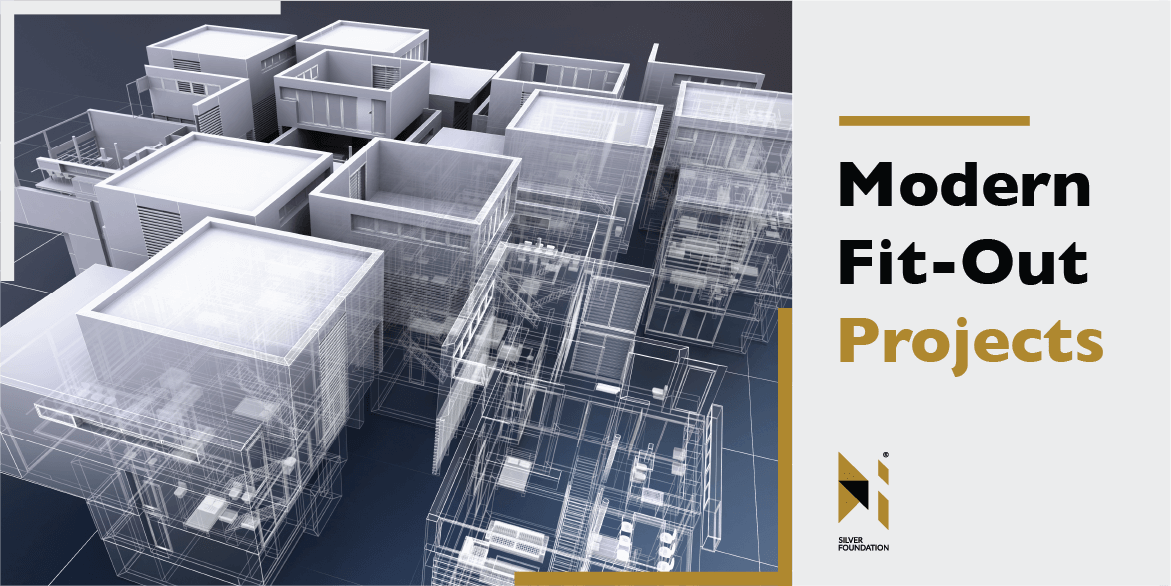
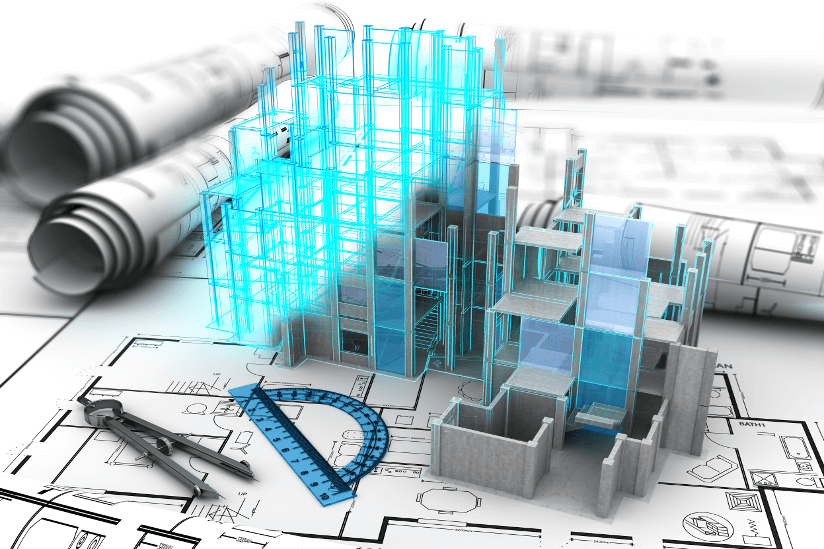
The design and planning phase of fit-out projects has greatly benefited from the advent of digital tools like Building Information Modelling (BIM). BIM allows architects, designers, and contractors to create detailed 3D models of a fit-out project before construction begins. These models can be used to visualize the project, identify potential issues, and make adjustments before work begins, reducing the risk of costly changes later on.
BIM also enables better collaboration between stakeholders. Everyone involved in the project—from architects and engineers to contractors and clients—can access the model, providing transparency and facilitating better communication.
Smart Materials
The use of smart materials is another trend shaping modern fit-out projects. These materials can adapt and respond to their environment, improving the functionality, comfort, and sustainability of the space.
For example, phase change materials (PCMs) can absorb, store, and release heat, helping to regulate indoor temperatures and reduce the need for air conditioning. Similarly, self-healing concrete can repair its own cracks, reducing maintenance costs and extending the lifespan of the structure.
Internet of Things (IoT)
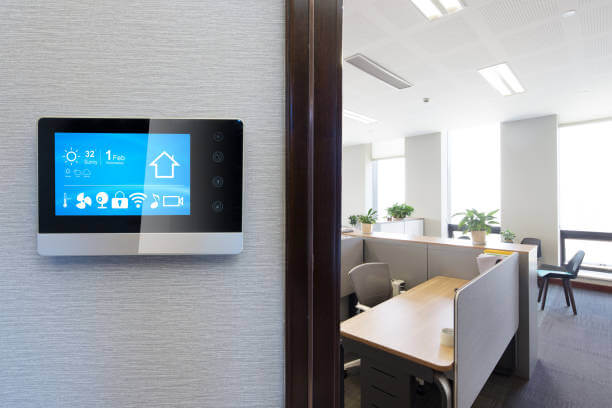
The Internet of Things (IoT) is playing a significant role in modern fit-out projects. IoT devices can monitor and control various aspects of a building’s environment, improving comfort, efficiency, and safety.
For instance, smart lighting systems can adjust light levels based on the time of day or occupancy, reducing energy use. Similarly, smart thermostats can automatically adjust temperature settings for optimal comfort and energy efficiency.
In addition, IoT devices can provide valuable data on how the space is being used, helping building owners and managers make informed decisions about maintenance, space planning, and future fit-out projects.
Augmented Reality (AR) and Virtual Reality (VR)
AR and VR technologies are transforming the way fit-out projects are presented and reviewed. With these technologies, stakeholders can virtually walk through the finished project before construction begins, providing a more intuitive understanding of the design than traditional 2D plans.
Furthermore, VR can be a powerful tool for stakeholder engagement. Clients can explore different design options and provide feedback in real time, leading to a design that better meets their needs and expectations.
AR, on the other hand, can overlay digital information onto the physical environment, helping contractors during the construction phase. For instance, AR can display installation instructions on a worker’s smart glasses, improving efficiency and reducing errors.
Conclusion
Technology is reshaping the way we approach fit-out projects, bringing numerous benefits from the design phase through to construction and operation. By embracing these technologies, businesses can create spaces that are not only visually appealing but also functional, sustainable, and adaptable to future needs. As we move forward, the integration of technology in fit-out projects will only continue to grow, providing exciting opportunities for innovation and improvement.