Office Fit-Outs: Designing the Perfect Workspace for Productivity and Wellbeing

In today’s fast-paced business world, designing an office space that promotes productivity and wellbeing is more important than ever. A well-planned office fit-out considers not only the functional aspects of the workspace but also fosters a positive work environment that supports employee satisfaction, collaboration, and overall performance. In this blog post, we will explore the key factors to consider when designing the perfect workspace, focusing on creating a balance between productivity and wellbeing.

Understanding the Importance of Office Fit-Outs

As businesses continue to evolve and adapt to modern work practices, the traditional office environment has undergone significant transformations. Today’s office fit-outs are no longer just about providing employees with a desk and a chair; they involve creating spaces that encourage collaboration, creativity, and mental wellbeing. A well-designed office fit-out can lead to numerous benefits, such as:
1. Improved employee productivity: An efficient and comfortable workspace allows employees to focus and work more effectively.
2. Enhanced collaboration and communication: Thoughtfully designed common areas and meeting spaces foster teamwork and interaction among team members.
3. Reduced stress and increased wellbeing: A pleasant and inspiring work environment can contribute to employee happiness, reducing stress levels and improving overall wellbeing.
4. Attraction and retention of talent: A modern and appealing office space can help attract top talent and encourage employees to stay with the company long-term.
Key Factors to Consider in Office Fit-Outs

To create a successful office fit-out that balances productivity and wellbeing, consider the following factors:

Ergonomics and Comfort
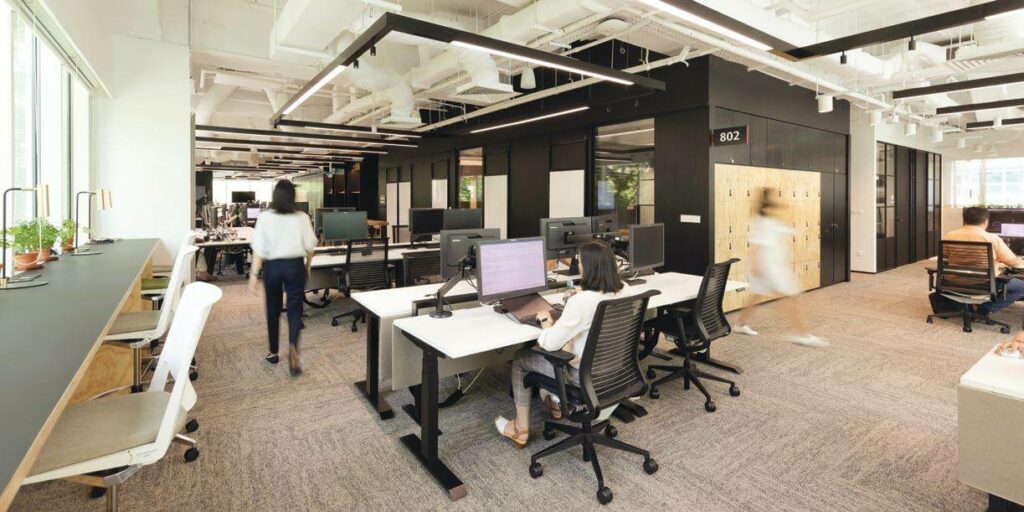
Ensuring that employees have comfortable and ergonomically designed workstations is essential for maintaining productivity and preventing work-related injuries. Invest in adjustable chairs and desks, monitor arms, and keyboard trays to create a customizable and comfortable workspace for each employee.
Natural Light and Biophilic Design
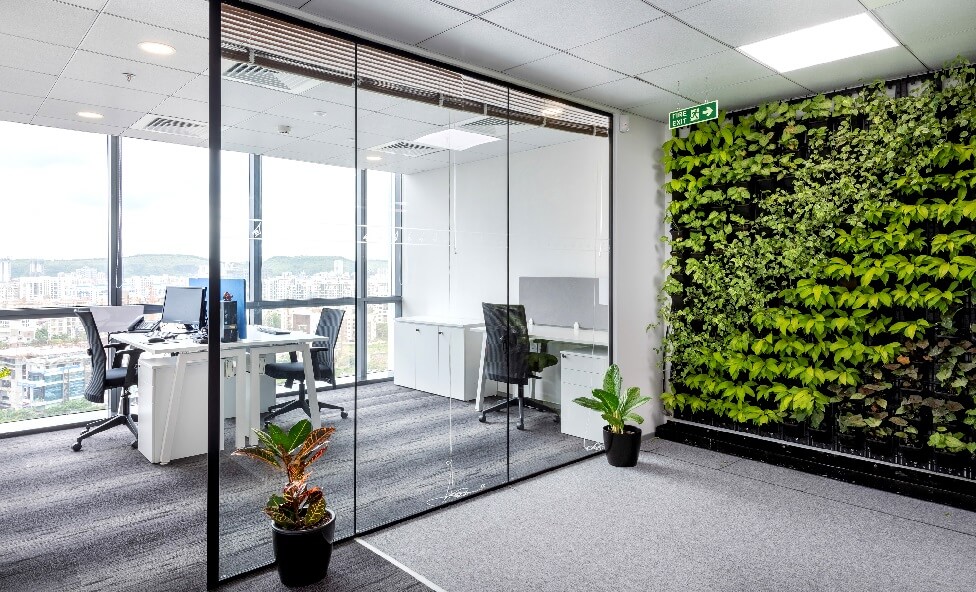
Incorporating natural light and elements of nature into the office design can have a significant impact on employee wellbeing and productivity. Large windows, skylights, and open floor plans can help maximize natural light, while incorporating plants, green walls, and natural materials can bring a sense of nature indoors.
Acoustics and Noise Control
Excessive noise can be a significant distraction and hinder productivity in the workplace. Consider incorporating acoustic panels, soundproofing materials, and designated quiet zones to create a balanced sound environment that allows employees to focus and collaborate effectively.
 Flexible and Adaptable Spaces
Modern offices should be designed to adapt to the ever-changing needs of businesses and employees. Incorporate modular furniture, movable walls, and multi-functional spaces that can be easily reconfigured to support various work styles, team sizes, and project requirements.
Breakout and Relaxation Areas
Creating spaces where employees can relax and recharge is crucial for maintaining mental wellbeing and promoting creativity. Designate comfortable breakout areas with soft seating, calming colors, and recreational amenities, such as games or reading materials, to encourage employees to take breaks and socialize with coworkers.
Embracing the Future of Workspace Design
As the concept of work continues to evolve, office fit-outs must keep up with the changing needs and preferences of employees. Remote and hybrid work models are becoming increasingly popular, which means that office spaces must be designed to support flexible work arrangements. Additionally, as sustainability becomes a more significant concern, incorporating eco-friendly materials and energy-efficient systems into office fit-outs will become the norm.
Conclusion

In conclusion, designing the perfect workspace for productivity and wellbeing requires a thoughtful and holistic approach to office fit-outs. By considering the factors discussed in this blog post and embracing the future of workspace design, businesses can create an environment that supports the success and happiness of their employees, ultimately leading to improved performance and growth.
Construction Site Safety: Best Practices and Innovations

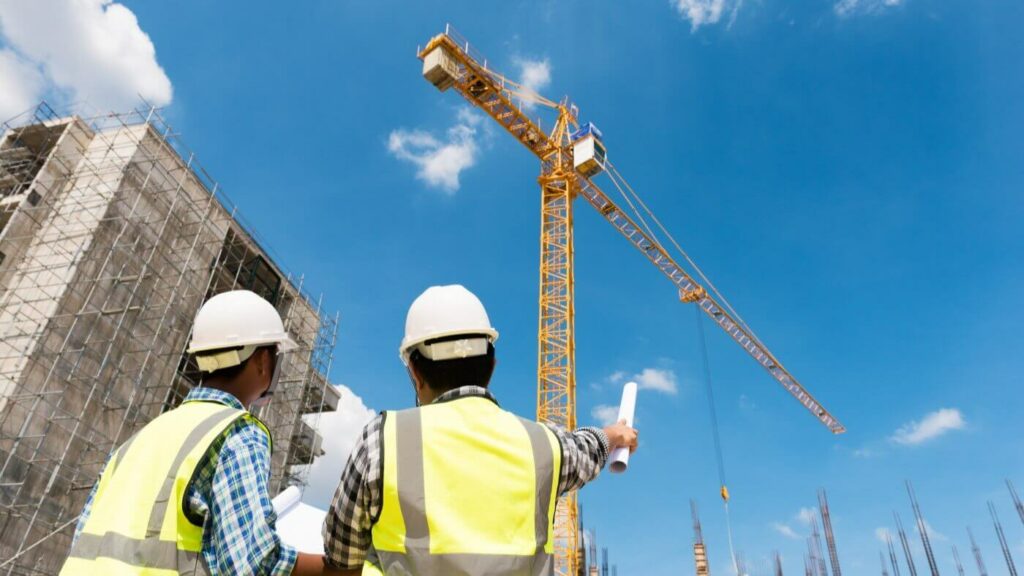
Construction site safety is a critical aspect of the industry, with a direct impact on worker wellbeing, project timelines, and overall project success. As construction projects become more complex, embracing best practices and innovative technologies to improve safety is paramount. This blog post will delve into essential construction site safety practices and explore cutting-edge innovations that are shaping the future of construction safety management.

The Importance of Construction Site Safety

Construction sites are inherently hazardous environments, with workers often exposed to risks such as falls, vehicle accidents, and contact with dangerous materials or equipment. Ensuring safety on construction sites is crucial for several reasons:

1. Protecting worker health and wellbeing: The primary goal of construction safety management is to prevent injuries and fatalities among workers, ensuring a healthy and productive workforce.

2. Minimizing project delays and financial losses: Accidents and injuries can lead to project delays, increased costs, and potential legal liabilities for construction companies.

3. Enhancing company reputation: A strong safety record can improve a company’s reputation, making it more appealing to clients, partners, and potential employees.

Best Practices for Construction Site Safety

Implementing best practices for construction site safety is essential to minimize risks and create a safe working environment. Some key practices include:

Comprehensive Safety Training

Providing comprehensive safety training for all workers is crucial to ensure they understand the potential hazards on-site and the appropriate precautions to take. Regular refresher courses should also be conducted to keep workers up to date with safety procedures and industry regulations.

Personal Protective Equipment (PPE)

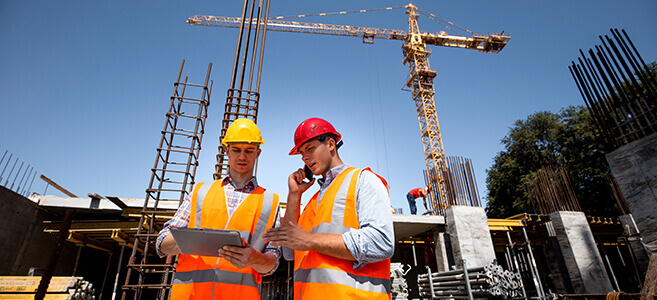
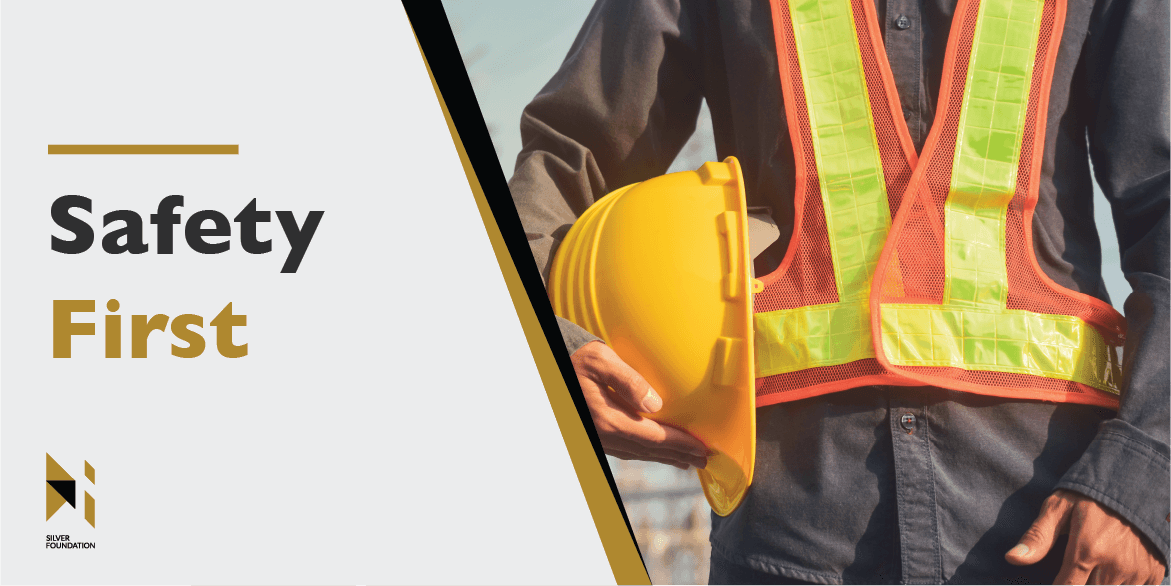
Workers should be equipped with appropriate PPE, such as hard hats, safety goggles, high-visibility vests, and hearing protection, to reduce the risk of injury. Employers must ensure that PPE is well-maintained, readily available, and worn correctly at all times.

Proper Use and Maintenance of Equipment

Using equipment safely and correctly is critical in preventing accidents on construction sites. Workers should be trained in the proper use, inspection, and maintenance of equipment and tools. Additionally, regular equipment checks should be conducted to identify and rectify any malfunctions or damage.

Clear Communication and Signage

Effective communication is key to ensuring safety on construction sites. Employers should establish clear channels of communication, hold regular safety meetings, and display safety signage throughout the site to inform workers of potential hazards and safe work practices.

 Housekeeping and Organization

Maintaining a clean and organized construction site can help prevent accidents caused by tripping hazards, falling objects, or obstructed pathways. Regular housekeeping and organization should be prioritized, with designated areas for tool storage, waste disposal, and material staging.


Innovations in Construction Site Safety

Emerging technologies are transforming the field of construction safety, offering new ways to monitor hazards, improve training, and enhance overall site safety. Some notable innovations include:

Wearable Technology

Wearable devices, such as smart hard hats or safety vests with embedded sensors, can monitor workers’ vital signs, location, and fatigue levels, alerting supervisors to potential safety concerns in real-time. Additionally, wearables can detect falls or other accidents, allowing for a rapid response in emergencies.

Drones and Robotics

Drones and robotic equipment can be used to conduct inspections or perform tasks in hazardous areas, minimizing human exposure to dangerous situations. Drones can also assist in monitoring site progress and identifying potential safety hazards from an aerial perspective.

Virtual Reality (VR) and Augmented Reality (AR)

VR and AR technologies can enhance safety training by providing immersive, realistic simulations of construction site hazards and emergency situations. These technologies can also be used on-site to overlay safety information or instructions onto workers’ field of view, improving communication and situational awareness.

Artificial Intelligence (AI) and Data Analysis AI-powered tools can analyze vast amounts of data from construction sites, identifying trends and patterns related to safety incidents. This information can be used to inform safety practices, predict potential hazards, and develop targeted interventions to reduce risks.

Conclusion

In conclusion, construction site safety is an integral part of the industry, with best practices and technological innovations playing a vital role in protecting workers and ensuring project success. By embracing these safety measures and staying abreast of emerging technologies, construction companies can create a safer, more efficient, and productive work environment for all involved.