Industrial Fit-Outs: Optimizing Warehouses and Manufacturing Facilities

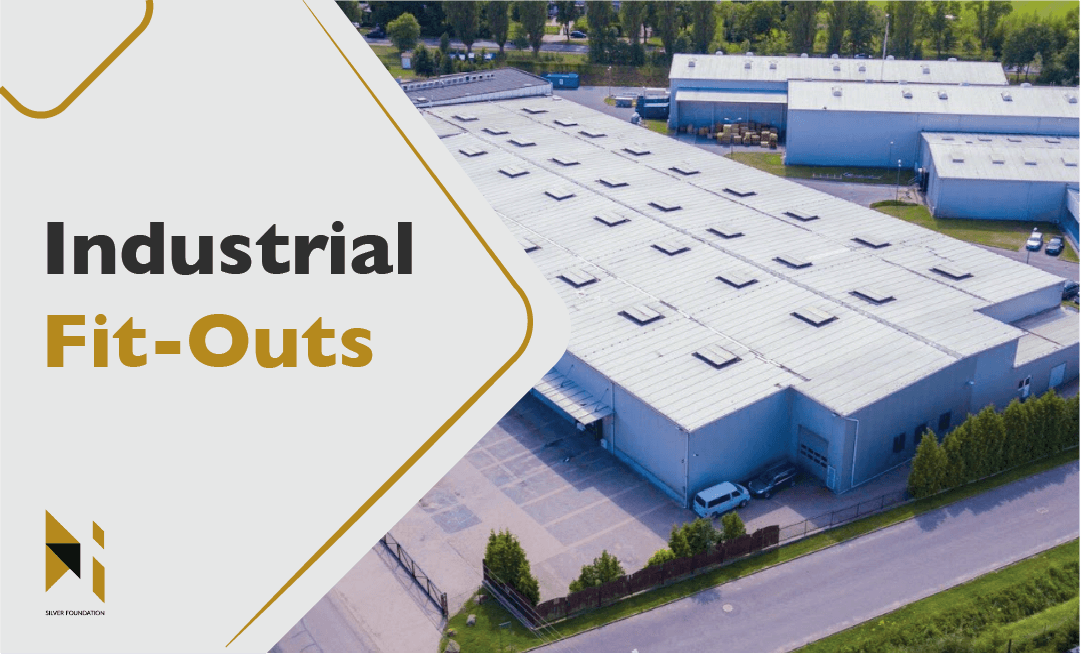
The industrial sector, encompassing warehouses, manufacturing facilities, and distribution centers, operates on tight margins and high efficiency. More than ever, businesses are recognizing the value of optimizing these spaces to improve productivity, safety, and workflow. A well-planned industrial fit-out can make all the difference. This article aims to provide insights on how to approach your industrial fit-out project strategically.

Understanding Industrial Fit-Outs

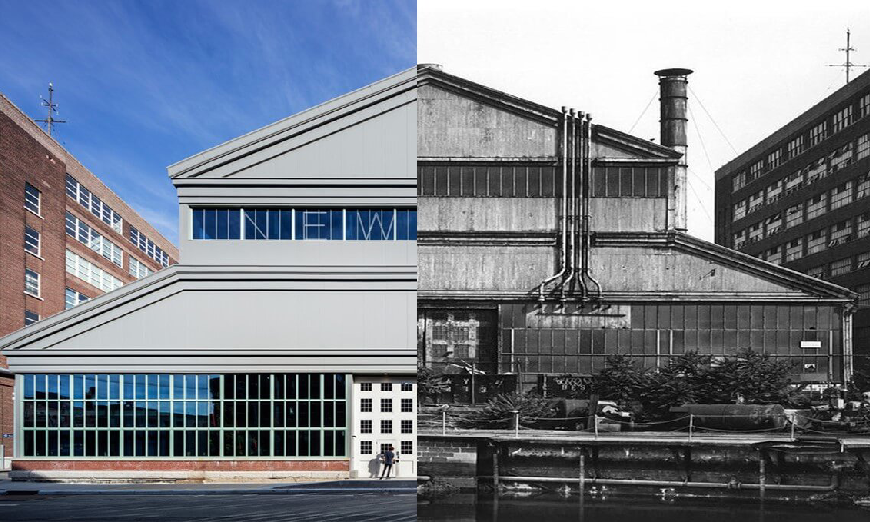
An industrial fit-out involves customizing an industrial space to suit a specific business’s operational needs. This could include modifying the layout, installing specific machinery, upgrading the infrastructure, or even improving the aesthetics to create a more pleasant work environment.
Why Optimize Your Industrial Space?

Maximize Operational Efficiency

A well-optimized industrial space can significantly improve operational efficiency. By designing a layout that reduces travel distances, enhances material flow, and minimizes bottlenecks, you can boost productivity and reduce operational costs.

Improve Safety

Industrial spaces can pose numerous safety risks. With a thoughtful fit-out, you can ensure that machinery is safely installed, hazardous materials are appropriately stored, and fire safety measures are in place.

Enhance Employee Satisfaction

A pleasant, well-designed workspace can improve employee satisfaction and productivity. Natural lighting, comfortable break rooms, and well-ventilated spaces can make a significant difference.

Key Considerations for an Industrial Fit-Out


Understand Your Operational Needs


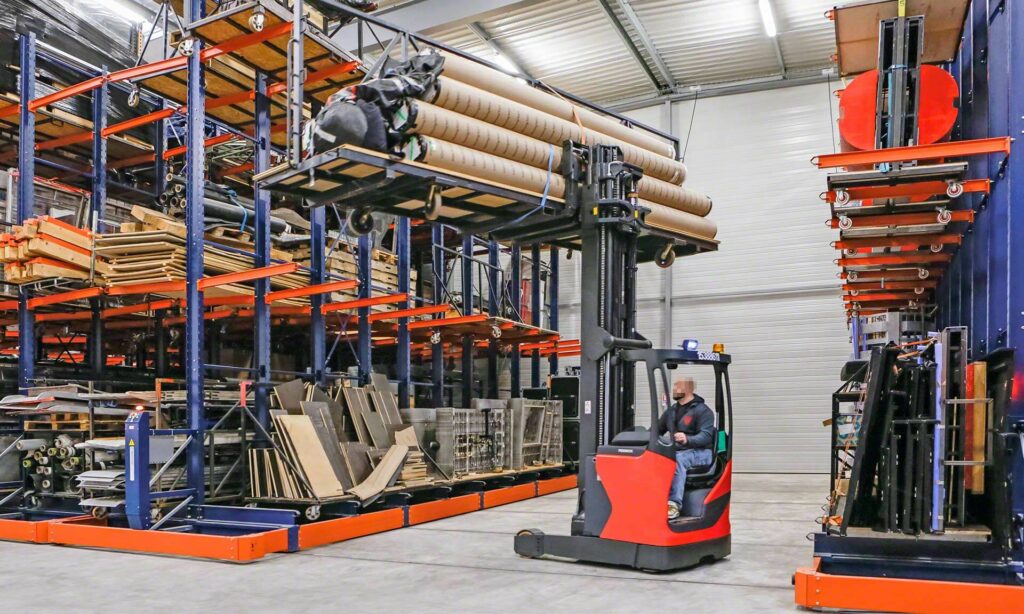
Every business has unique operational needs. Understanding these needs is crucial to plan a fit-out that maximizes value. Consider your manufacturing processes, storage requirements, and shipping activities when planning your layout.
Plan for Flexibility

The business environment is dynamic, and your fit-out should accommodate future changes. Whether it’s potential expansion, new machinery, or a change in processes, ensure your design has the flexibility to adapt.

Invest in Quality Equipment

High-quality, durable equipment may have a higher upfront cost, but it can save you money in the long run by reducing repair costs and downtime.

Consider Energy Efficiency

Energy-efficient lighting, heating, and cooling systems can significantly reduce your utility costs. Additionally, they can improve the work environment and reduce your environmental footprint.

Hire Professionals

Industrial fit-outs require specific knowledge and experience. A professional fit-out company can help you avoid costly mistakes and ensure your project is completed to the highest standards.
Conclusion

An industrial fit-out is a significant investment, but when done correctly, it can deliver substantial returns. By creating a space that maximizes operational efficiency, improves safety, and enhances employee satisfaction, you’re not just building a workspace, you’re building a foundation for your business’s success. With careful planning and the right professional help, your industrial fit-out can transform your facility into a productivity powerhouse.
Key Considerations for an Industrial Fit-Out


Understand Your Operational Needs


Every business has unique operational needs. Understanding these needs is crucial to plan a fit-out that maximizes value. Consider your manufacturing processes, storage requirements, and shipping activities when planning your layout.

Plan for Flexibility

The business environment is dynamic, and your fit-out should accommodate future changes. Whether it’s potential expansion, new machinery, or a change in processes, ensure your design has the flexibility to adapt.

Invest in Quality Equipment

High-quality, durable equipment may have a higher upfront cost, but it can save you money in the long run by reducing repair costs and downtime.

Consider Energy Efficiency

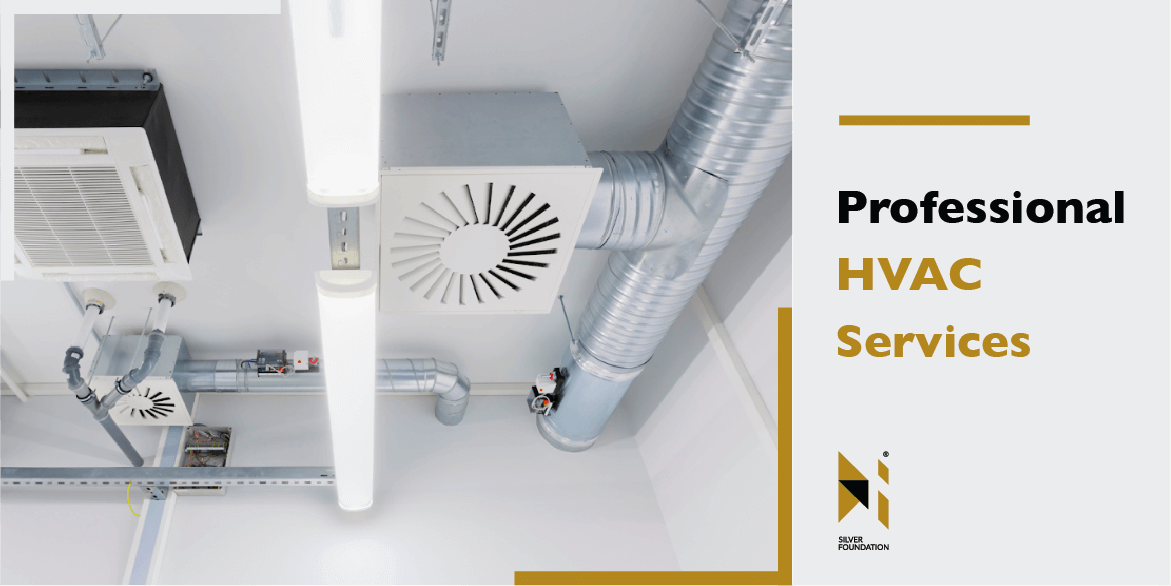
Energy-efficient lighting, heating, and cooling systems can significantly reduce your utility costs. Additionally, they can improve the work environment and reduce your environmental footprint.

Hire Professionals

Industrial fit-outs require specific knowledge and experience. A professional fit-out company can help you avoid costly mistakes and ensure your project is completed to the highest standards.

Conclusion

An industrial fit-out is a significant investment, but when done correctly, it can deliver substantial returns. By creating a space that maximizes operational efficiency, improves safety, and enhances employee satisfaction, you’re not just building a workspace, you’re building a foundation for your business’s success. With careful planning and the right professional help, your industrial fit-out can transform your facility into a productivity powerhouse.
The Role of Professional HVAC Services in Energy Efficiency

Heating, Ventilation, and Air Conditioning (HVAC) systems play an integral role in providing comfort and maintaining the air quality in our homes and workplaces. However, these systems can also be significant energy consumers. As global awareness about energy efficiency and environmental sustainability heightens, the role of professional HVAC services in promoting energy efficiency cannot be overstated.

The Importance of Energy Efficiency in HVAC Systems

Energy efficiency refers to the process of reducing energy consumption by using less energy to perform the same function. In the context of HVAC systems, energy-efficient models use less energy to heat or cool a space, resulting in lower utility bills and a reduced carbon footprint.

The U.S. Department of Energy estimates that heating and cooling account for about half of a typical home’s energy usage. Hence, improving the energy efficiency of your HVAC system can lead to considerable energy and cost savings. Moreover, an energy-efficient HVAC system can reduce greenhouse gas emissions, contributing to environmental sustainability.

How Professional HVAC Services Enhance Energy Efficiency

Proper Installation

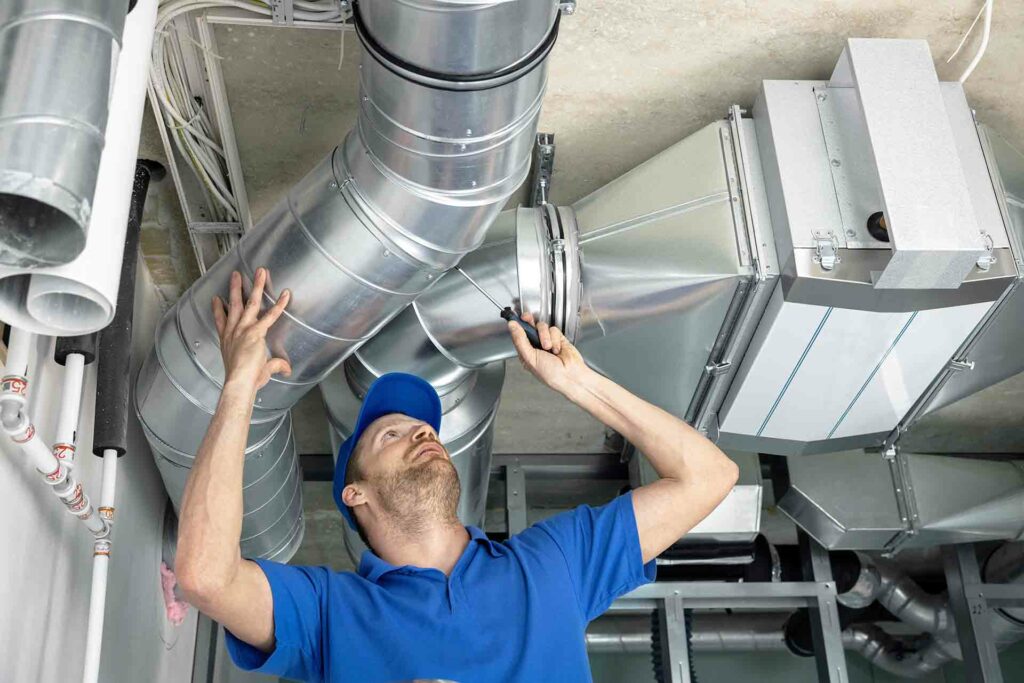
The energy efficiency of an HVAC system starts with its installation. A poorly installed system can consume more energy and lead to higher utility bills. Professional HVAC technicians have the training and expertise to install systems properly, ensuring they operate at peak efficiency. They consider several factors during installation, including sizing the system correctly for the space and ensuring proper sealing of ducts.

Regular Maintenance

Regular maintenance is vital to keep your HVAC system running efficiently. Over time, various components of the system, such as filters and coils, can become dirty or worn out, reducing the system’s efficiency. A professional HVAC service provider can conduct regular check-ups, clean components, and replace parts as needed, ensuring the system operates at its optimum efficiency.

System Optimization

Professional HVAC services do not just stop at installation and maintenance; they also optimize the entire system for better performance. This process may involve adjusting airflow rates, calibrating thermostats, or optimizing the system’s controls to better match your usage patterns. Such optimization can significantly improve energy efficiency.

Timely Repairs

Even minor issues can cause your HVAC system to work harder than necessary, consuming more energy. Professional HVAC technicians can diagnose and fix problems early, before they escalate into major issues that require more energy and cost more to fix.

The Role of Advanced Technologies

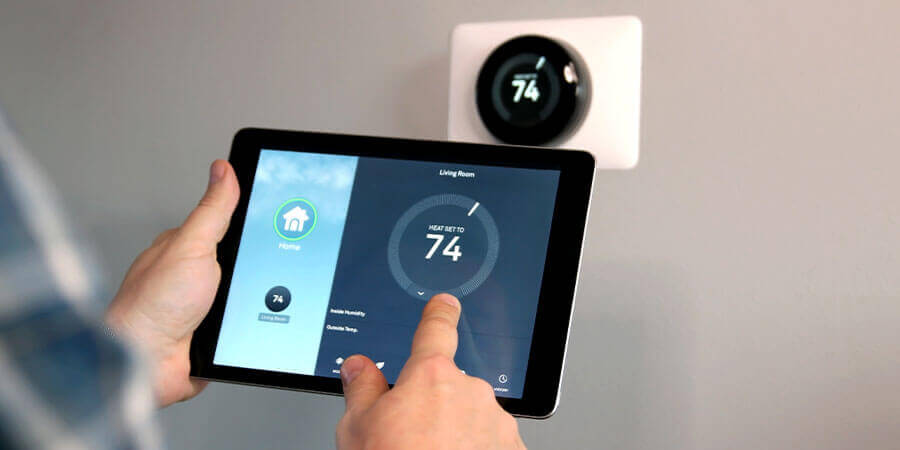
Advancements in technology are further enhancing the role of professional HVAC services in promoting energy efficiency. For instance, many service providers now use smart thermostats and sensors to monitor HVAC performance in real-time. These devices can identify inefficiencies quickly, allowing for timely interventions that improve energy efficiency.

Moreover, some HVAC service providers are leveraging data analytics and AI to predict potential system failures and conduct preventative maintenance. These predictive maintenance strategies can improve energy efficiency by ensuring the system is always performing at its best.

Conclusion

In the quest to reduce energy consumption and promote environmental sustainability, the role of professional HVAC services is pivotal. From proper installation and regular maintenance to system optimization and timely repairs, these services play a crucial role in ensuring your HVAC system is as energy-efficient as possible. By investing in professional HVAC services, you are not only saving on energy costs but also contributing to a more sustainable future.

Fit-Out Budgeting Tips: Maximizing Value Without Compromising Quality

No matter the nature of your business, the importance of an appealing and functional workspace can’t be overstated. A well-designed office fit-out can significantly improve the productivity of your employees, boost your company’s image, and create an environment that fosters creativity and collaboration. However, achieving this doesn’t mean you have to break the bank. With careful planning and smart decision-making, you can maximize value without compromising on quality. Here are some tips to help you budget effectively for your fit-out project.

Understand Your Needs

Before you start planning your budget, you need to have a clear understanding of what you need from your workspace. This would depend on your business type, work style, and company culture. Do you need open spaces for collaboration or private offices for concentrated work? What kind of meeting spaces do you need? Once you have a clear picture of your needs, you can allocate your budget more effectively.

Prioritize

Not all elements of a fit-out carry the same weight. Determine which aspects of the fit-out are most crucial to your business operations and prioritize those in your budget. For example, if technology plays a significant role in your business, then investing in a robust IT infrastructure should be a priority.

Plan Ahead

Consider your long-term business plan. Will you be hiring more staff in the future? Do you plan to incorporate more technology or change your mode of operation? Your fit-out should be flexible enough to accommodate future changes without incurring significant additional costs.

Choose Quality Materials Wisely

While it might be tempting to save money by choosing cheaper materials, this can lead to higher maintenance costs in the long run. Instead, focus on choosing quality materials that offer durability and longevity. However, this doesn’t mean you need to opt for the most expensive option. Many affordable materials provide a great balance between cost and quality.

Hire Professionals

While hiring professional fit-out contractors might seem like an additional cost, they can actually save you money in the long run. Professionals have the expertise to avoid common pitfalls, negotiate better prices with suppliers, and ensure the project stays on track, avoiding costly delays.

Reuse and Recycle

Before you start ordering new furniture and equipment, take a look at what you already have. Can any of your existing furniture be repurposed or refurbished? Not only is this good for your budget, but it’s also better for the environment.

Leverage Technology

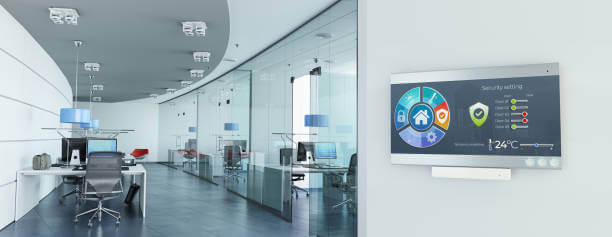
Using technology can help you save money on your fit-out. For example, using energy-efficient lighting and HVAC systems can reduce your utility bills. Likewise, implementing a smart office design can allow you to make the most of your available space and reduce the amount of physical infrastructure you need.

Negotiate

Don’t accept the first price you’re given. Whether it’s your fit-out contractor, furniture supplier, or equipment provider, there’s often room for negotiation. Make sure you do your research and know the market prices before entering into negotiations.

Monitor Your Budget

Once your fit-out project is underway, it’s crucial to keep a close eye on your budget. Monitor your spending carefully and ensure you’re staying on track. If unexpected costs arise, you’ll need to adjust your budget or make cuts elsewhere.

Conclusion

Creating an office space that’s functional, aesthetically pleasing, and conducive to productivity doesn’t have to cost a fortune. By understanding your needs, prioritizing effectively, planning for the future, and making smart decisions, you can achieve an exceptional office fit-out within your budget. Remember, the goal isn’t just to create a workspace that looks good, but one that adds value to your business in the long run.