Plumbing in Riyadh: What Residents Need to Know and Do 

City residents face these challenges. The residents encounter different kinds of plumbing issues, like a cloud to crane a burst or any plumbing issue related to water flow. In these emergencies, people need frequent and convenient solutions for the potential damage to their property from a damaged flowing system. Residents face various challenges and need to know when and how to contact Riyadh plumbing companies for expert support. Every residential or commercial building must have a plumbing system that is operating and kept up to date. It ensures the smooth running of the city’s everyday operations. To improve the general functionality of their living or working spaces in Riyadh, residents should know about the issues and the significance of consulting experts immediately to handle plumbing issues.

What Causes Plumbing Emergencies ?

The main reason for plumbing emergencies is that people need to take care of proper maintenance or periods of their plumbing system. There are many reasons for plumbing issues to occur at your home or industrial property building, and many other reasons that can cause plumbing pipes to leak or burst. It will help if you take care of her maintaining the pressure that causes blockage in UPVC pipes. What may be because of the problem is if you are facing an issue for a plumbing emergency, you should manage it to get the best solution. This problem will be solved if you hire trustworthy plumbing services for emergencies.

Common Plumbing Emergencies in Riyadh

Plumbing issues that can cause troubles in daily living are not new to Riyadh. It is necessary to report plumbing problems that locals may face to professional plumbing contractors. When unexpected leaks or clogged drains occur, you must be prepared to deal with these situations quickly. The following list of 5 common plumbing emergencies includes examples to highlight the possible effects:

Burst Pipes

There are several reasons why pipes can burst; the unexpected rise or drop in temperature is a frequent reason. The expansion of frozen water within pipes puts tremendous strain on the walls of the pipes. The pipe could one day burst because the pressure is too great to resist. Burst pipes can cause extensive damage to a home, ranging from small-scale water damage to the destruction of entire portions. Act quickly to turn off the water supply, find the burst area, and replace or repair the damaged pipes.

Leaky Faucets and Fixtures

A leaking faucet can encourage dampness and mold growth in several house areas. A lot of moisture is mainly conducive to the growth of mold and mildew. These can spread not only on walls but also on carpets, fabric, and ceilings. The effects of a dripping faucet go beyond just wasting water since the resulting moisture provides the perfect environment for this fungus to grow. Being watchful for leaks coming from faucets is essential to preventing damp and mold growth and protecting the living space’s structure and indoor air quality.

Water Heater Malfunctions

Some problems can cause a lack of hot water. Power outages or malfunctioning heating elements may impede tank heating in electric water heaters. There could be no warm water when a gas water heater has issues like a broken burner, a malfunctioning pilot light, or a bad gas connection.
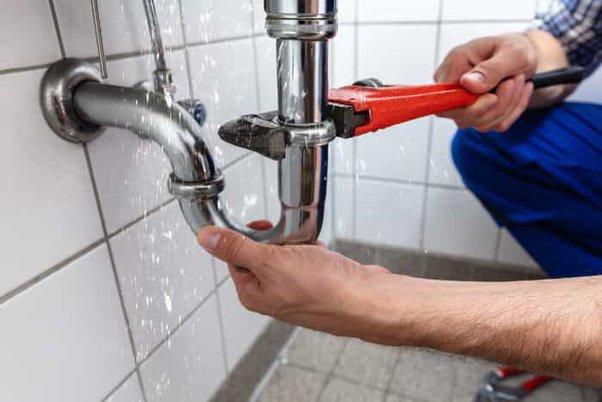
plumber fixing pipe

Blocked Drains

There are several reasons why drains become blocked. Water flow is impeded by some items that build up in pipes, such as food, fats, hair, and soap. Items like toilet paper that are flushed down the toilet might cause blockages. Flooding can occur when leaves and dirt get stuck in outdoor drains following severe rain or storm. Damaged pipes provide a serious concern and can be expensive to repair; they are frequently caused by improper installation or tree roots. Poor-quality pipes commonly cause plumbing problems, and DIY pipe installation trends exacerbate the situation.

Sewage Backup

A personal pipe known as a “side sewer” moves wastewater from a building’s toilets, sinks, and drains to the main public sewage line. You are the owner of the side sewer up to the public sewer pipe under a nearby street if you own a house or structure. A sewer backup happens when sewage or unclean water (sewage) rises via sinks, toilets, or drains. These backups, usually the result of clogged sewer pipes obstructing wastewater flow, require immediate attention and cleaning to prevent the spread of dangerous bacteria and viruses. Resolving issues is essential to keeping a clean and safe atmosphere.

Tips and Tricks for Preventive Measures

Create a Maintenance Schedule

Regular maintenance is necessary for the long-term functionality of your home’s systems. The most important thing is to create a maintenance schedule. This should include arranging for professional inspections and regular preventative care. These tests should be carried out every two years for more recent systems. However, an annual program is more suitable if your home is older or has ongoing issues. This program will extend the life of your home’s basic components by detecting potential problems early, saving you from costly repairs. An organized maintenance program is a proactive way to care for your home, providing peace of mind and preventing unforeseen issues with your electrical, plumbing, or HVAC system.

Check for Leaks

Leaks that go unnoticed can waste much water and cause harm. It is essential to check for leaks regularly to avoid such problems. This entails weekly inspections of exposed pipelines, sinks, toilets, and household appliances. By taking a proactive stance, you can quickly spot fractures, brittleness, or leakage indicators. Purchasing a water leak detector adds extra security because it may automatically turn off the water supply and warn you of possible issues. A few types even monitor pressure, flow rate, and water usage. Whether installed by professionals or on your own, these detectors can improve the general safety and effectiveness of your home’s water systems if they are correctly installed. 

The first thing to do in a plumbing emergency is to remain composed. You may get professional assistance by contacting a contractor. We handle a variety of problems with emergency plumbing appointments. You can also speak with us to find out if your issue must be handled instantly or if you can arrange an appointment. We offer HVAC and indoor air quality services to both residential and business clients.

Do You Need Skilled Plumbing Assistance?

Choosing the best plumbing contractor in Riyadh is the best solution to your plumbing problems. Whenever you find issues and problems in your plumbing infrastructure,  arrange frequent repairs and maintenance. Search for the best company that is expert in plumbing fixtures and repairs. Silver Foundation is the best plumbing services provider in the KSA. You can hire its services for the best plumbing solutions and repairs. Choose wisely to invest wisely. A perfect plumbing system maintenance preserves your property value. Go for the quality work and contact us for the best maintenance and repair services.

Frequently Asked Questions

What are the main issues in plumbing?

The top plumbing problems are blocked drains and toilets, dripping faucets and pipes, water heater troubles, weak water pressure, and a toilet that won’t stop running.

Is a dripping sink a plumbing emergency?

A leaky faucet, for example, is not usually considered an emergency, but other water leaks, such as a burst pipe, are. Consider this: can the problem wait until tomorrow to be fixed?

How to Fix Plumbing Issues?

Examine the supply valves on sinks and toilets for leaks. Ensure the packing, which seals the valve stem in a regular stop (water valve), is compressed enough to block leaks but not so tight that turning the handle becomes difficult.

What are the main causes of pipe failure?

The main reasons for pipe failure stem from forces exerted on the pipes surpassing the remaining strength of the pipe material. When stresses, whether from daily use or environmental factors, affect pipes that have been compromised by corrosion, degradation, improper installation, or manufacturing defects, it can lead to the pipes’ compromised structural integrity, resulting in breakage.

What is a Plumbing Fixture?

A plumbing fixture is a device connected to a plumbing system used for a specific function related to water usage. Common examples of plumbing fixtures include sinks, toilets, bathtubs, showers, faucets, and water fountains. These fixtures are designed to facilitate the distribution and drainage of water in buildings.
The Benefits of Regular MEP Maintainance

Explore the benefits of regular MEP maintenance. Have you ever thought about how you can keep your systems running efficiently without any hiccups? Well, the secret lies in consistent maintenance! Not only does it help extend the lifespan of your equipment, but it also provides a safe and livable environment for you and those around you. So, why not hire regular MEP maintenance services in Saudi Arabia and enjoy the perfect system?

Regular maintenance of Mechanical, Electrical, and Plumbing (MEP) systems is essential to properly functioning facility management. This proactive approach includes planned maintenance, repairs, and preventative efforts to guarantee that plumbing, electrical, and mechanical components operate at peak efficiency. Regular MEP maintenance has many advantages, such as higher output, longer equipment life, and a safe atmosphere for tenants. It is also good to consider the benefits of regular servicing in terms of cost savings, energy efficiency, and overall system performance.

About MEP Maintenance Services

MEP maintenance services include managing and maintaining building systems. These services guarantee that plumbing, electrical, and mechanical systems operate at their best. In order to ensure the lifespan and safety of a building’s infrastructure, maintenance services must be hired.

 Mechanical parts are all covered by mechanical maintenance. Lighting, power distribution, and other electrical systems are the main focus of electrical maintenance, which improves safety and avoids failures. Maintaining sewage, drainage, and water supply systems is part of plumbing maintenance.

Builders hire MEP maintenance companies in Saudi Arabia to comply with regulations, minimise equipment failure risk, and limit downtime. Expertise, prompt repairs, and preventive measures are additional benefits of these professional services.

plumber fixing pipe

What are the Benefits of Regular MEP Maintenance Services?

Energy Efficiency

Equipment is kept operating at its optimum performance by routine repairs and inspections, which reduces energy waste. Maintaining electrical, lighting, and HVAC systems reduces overall energy use. MEP specialists also suggest changes to improve system performance and implement energy-saving technologies. These services help make operations greener and more sustainable by quickly finding and fixing problems, which lowers utility costs and lessens the environmental impact of buildings and facilities.

Regular Maintenance is Cost Savings

Proactive maintenance allows you to spot minor issues early on and fix them before they become bigger. In the long term, this strategy can assist you in avoiding expensive repairs or replacements. Besides, routine maintenance can increase the equipment’s service life and lower the need for premature repairs. By adopting a safety-first strategy, you can guarantee that your properties are always in good operating order, which can ultimately help you save time, money, and resources.

Enhanced Equipment Performance

MEP services perform routine maintenance, repairs, and inspections to enhance equipment performance. Mechanical parts can be maximised by regular routine upkeep, which includes cleaning, lubrication, and calibration. Plumbing systems are examined for leaks, corrosion, and adequate water flow, while electrical systems are extensively examined for connections, voltage stability, and any problems. MEP services avoid major malfunctions and downtime by rapidly fixing minor faults. Predictive maintenance guarantees prompt interventions through ongoing monitoring and data-driven analysis. Ultimately, this proactive strategy increases equipment efficiency, reduces energy usage, and prolongs the valuable lives of the mechanical, electrical, and plumbing systems.

electrical inspection

Extended quipment Lifespan

Routine maintenance increases equipment longevity. The best possible condition is maintained for mechanical, electrical, and plumbing systems by regular inspections, prompt repairs, and preventive actions. Wear and tear are controlled by lubrication, cleaning, and calibrating techniques, which lowers the risk of malfunctions. Preventing small faults from becoming more serious guarantees that components will continue to function for longer. Taking a proactive approach reduces significant replacement needs. In this way, the equipment’s overall reliability and resilience are improved, extending its operational lifespan and improving return on investment.

Improved Safety

Careful maintenance services result in increased safety. Electrical fire risk is reduced by routine electrical system maintenance and inspections, which spot possible dangers, including overloaded circuits or defective wiring. Plumbing checks guarantee appropriate water flow, stopping leaks that can cause structural damage or slick surfaces. Regular inspections of mechanical systems also aid in locating and fixing problems that can jeopardise safety. The service’s systematic approach to managing possible dangers guarantees occupant security, lowers the chance of accidents, and makes a workplace or living area safer overall.

Helps in Compliance with regulations

To make sure that people, companies, and entities work within the appropriate legal and ethical bounds, governing bodies have established rules, laws, and standards, which are referred to as compliance with regulations. It entails abiding by the guidelines for financial reporting, data privacy, ecological safety, and security, among other relevant issues. Following the law is essential for upholding public confidence, avoiding legal ramifications, and encouraging social responsibility. Businesses must also prevent breakdowns in operations and accomplish their objectives.

Improved Property Value

For a property to retain value, its mechanical, electrical, and plumbing (MEP) systems must be maintained and cared for. Properly maintained MEP systems guarantee that the building operates at best, offering renters, guests, and residents a cozy and secure atmosphere. Furthermore, by keeping these systems maintained and inspected regularly, any malfunctions are avoided, reducing repair expenses and downtime. In the long run, this saves property owners money and improves the property’s appeal to potential buyers, investors, and tenants. Consequently, to optimize the property’s worth and guarantee its durability, system maintenance must be given top priority.

Comfort for HVAC Systems

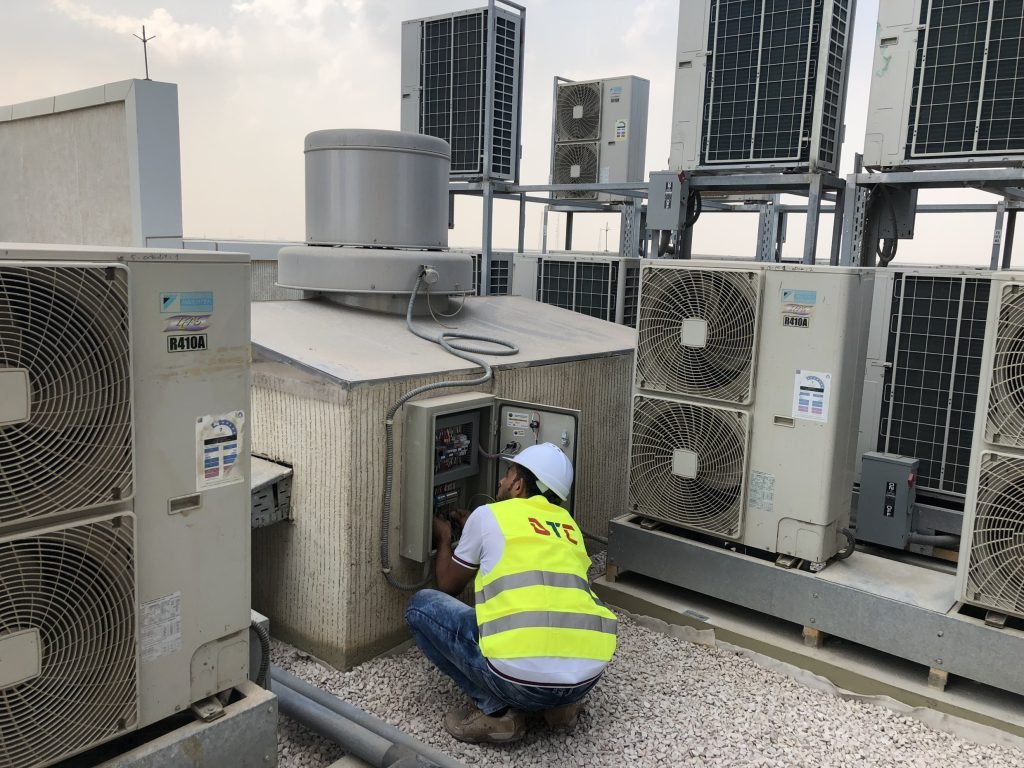
The efficient operation of air conditioning, heating, and ventilation systems depends on routine maintenance. To keep interior temperatures and air quality at optimal levels and guarantee occupant comfort, HVAC systems are in charge of doing this. Without routine maintenance, these systems can have many problems, including filthy ducts, broken thermostats, and clogged filters. These problems can lower the system’s productivity and necessitate expensive repairs. But with a thought-out maintenance program, these concerns may be found and fixed before they worsen, guaranteeing tenants’ constant comfort levels and cutting expenses and energy use.

HVAC

Bottom Line

The continuous operation and security of a building’s mechanical, electrical, and plumbing systems depend on regular maintenance services. By outsourcing these services, companies guarantee optimal infrastructure performance, minimize equipment failure risk, and minimize downtime. Expert maintenance services prolong the life of the building’s systems by resolving urgent problems and putting preventative measures in place. The significance of using MEP maintenance services is clear to you. Hiring a professional maintenance team is a strategic move that protects a building’s operational integrity. 

"Get in Touch"

“Connecting is the first step towards collaboration. Reach out to us, and let’s create something remarkable together.”

Frequently Asked Questions

What are the advantages of having regular electrical preventive maintenance?

Regular electrical preventive maintenance ensures safety, reduces downtime, and extends equipment life. It controls potential hazards and identifies issues early for the reliability of electrical systems.

What are the advantages of MEP?

MEP maintenance has benefits, including increased energy efficiency, long equipment lifespan, minimized operational disruptions, and compliance with regulatory standards.

What are the benefits obtained from proper maintenance of electronic systems?

Proper maintenance of electronic systems delivers benefits such as better performance, reduced risk of breakdowns, and compliance with industry standards. It keeps equipment integrity and optimizes system reliability.

What is MEP maintenance?

MEP maintenance involves the systematic care of Mechanical, Electrical, and Plumbing systems within a building. It ensures the smooth functioning of infrastructure, prevents breakdowns, and extends the lifespan of equipment and systems.

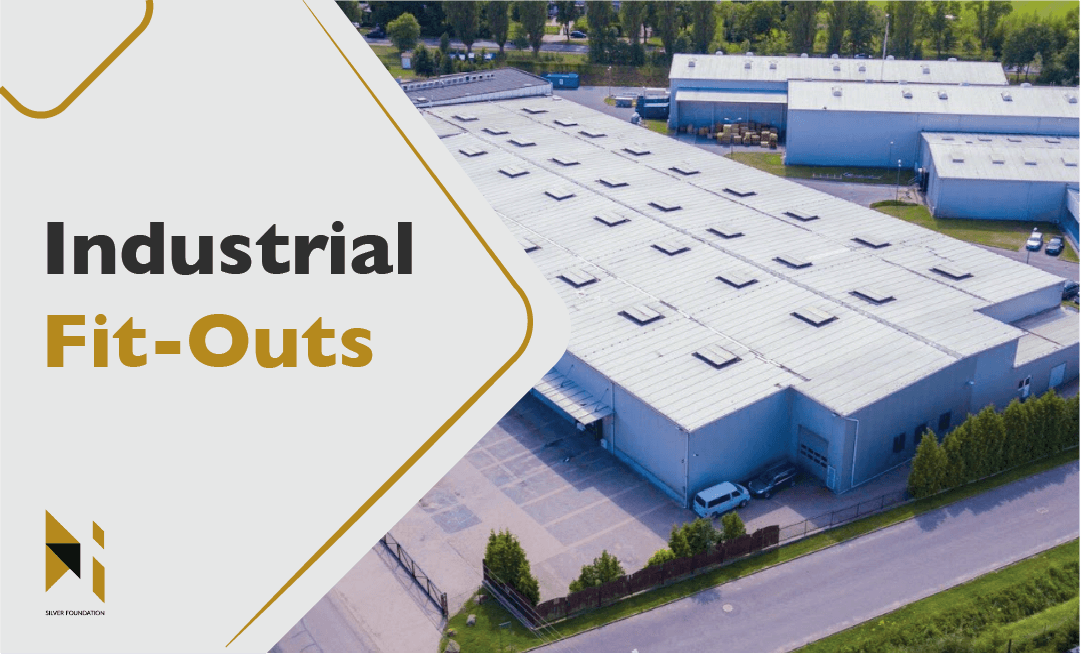
Industrial Fit-Outs: Optimizing Warehouses and Manufacturing Facilities

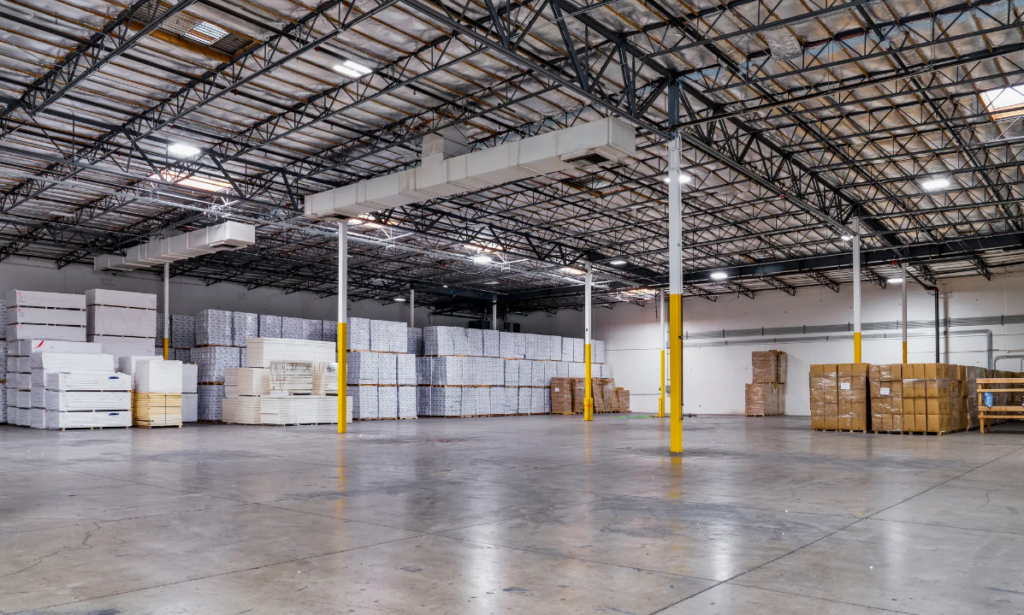
The industrial sector, encompassing warehouses, manufacturing facilities, and distribution centers, operates on tight margins and high efficiency. More than ever, businesses are recognizing the value of optimizing these spaces to improve productivity, safety, and workflow. A well-planned industrial fit-out can make all the difference. This article aims to provide insights on how to approach your industrial fit-out project strategically.

Understanding Industrial Fit-Outs

An industrial fit-out involves customizing an industrial space to suit a specific business’s operational needs. This could include modifying the layout, installing specific machinery, upgrading the infrastructure, or even improving the aesthetics to create a more pleasant work environment.

Why Optimize Your Industrial Space?

Maximize Operational Efficiency

A well-optimized industrial space can significantly improve operational efficiency. By designing a layout that reduces travel distances, enhances material flow, and minimizes bottlenecks, you can boost productivity and reduce operational costs.

Improve Safety

Industrial spaces can pose numerous safety risks. With a thoughtful fit-out, you can ensure that machinery is safely installed, hazardous materials are appropriately stored, and fire safety measures are in place.

Enhance Employee Satisfaction

A pleasant, well-designed workspace can improve employee satisfaction and productivity. Natural lighting, comfortable break rooms, and well-ventilated spaces can make a significant difference.

Key Considerations for an Industrial Fit-Out


Understand Your Operational Needs


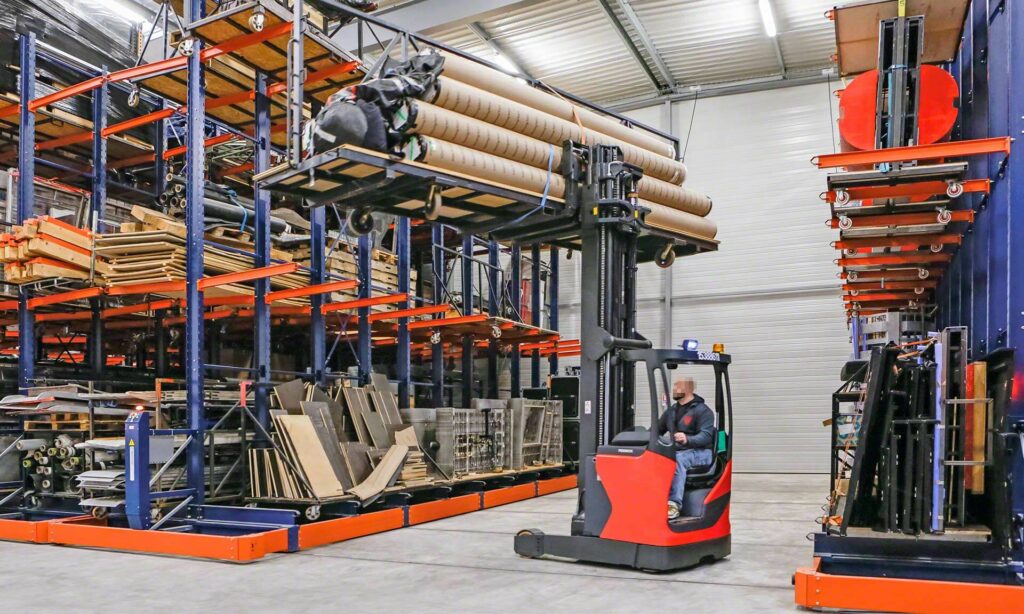
Every business has unique operational needs. Understanding these needs is crucial to plan a fit-out that maximizes value. Consider your manufacturing processes, storage requirements, and shipping activities when planning your layout.

Plan for Flexibility

The business environment is dynamic, and your fit-out should accommodate future changes. Whether it’s potential expansion, new machinery, or a change in processes, ensure your design has the flexibility to adapt.

Invest in Quality Equipment

High-quality, durable equipment may have a higher upfront cost, but it can save you money in the long run by reducing repair costs and downtime.

Consider Energy Efficiency

Energy-efficient lighting, heating, and cooling systems can significantly reduce your utility costs. Additionally, they can improve the work environment and reduce your environmental footprint.

Hire Professionals

Industrial fit-outs require specific knowledge and experience. A professional fit-out company can help you avoid costly mistakes and ensure your project is completed to the highest standards.

Conclusion

An industrial fit-out is a significant investment, but when done correctly, it can deliver substantial returns. By creating a space that maximizes operational efficiency, improves safety, and enhances employee satisfaction, you’re not just building a workspace, you’re building a foundation for your business’s success. With careful planning and the right professional help, your industrial fit-out can transform your facility into a productivity powerhouse.

Key Considerations for an Industrial Fit-Out


Understand Your Operational Needs


Every business has unique operational needs. Understanding these needs is crucial to plan a fit-out that maximizes value. Consider your manufacturing processes, storage requirements, and shipping activities when planning your layout.

Plan for Flexibility

The business environment is dynamic, and your fit-out should accommodate future changes. Whether it’s potential expansion, new machinery, or a change in processes, ensure your design has the flexibility to adapt.

Invest in Quality Equipment

High-quality, durable equipment may have a higher upfront cost, but it can save you money in the long run by reducing repair costs and downtime.

Consider Energy Efficiency

Energy-efficient lighting, heating, and cooling systems can significantly reduce your utility costs. Additionally, they can improve the work environment and reduce your environmental footprint.

Hire Professionals

Industrial fit-outs require specific knowledge and experience. A professional fit-out company can help you avoid costly mistakes and ensure your project is completed to the highest standards.

Conclusion

An industrial fit-out is a significant investment, but when done correctly, it can deliver substantial returns. By creating a space that maximizes operational efficiency, improves safety, and enhances employee satisfaction, you’re not just building a workspace, you’re building a foundation for your business’s success. With careful planning and the right professional help, your industrial fit-out can transform your facility into a productivity powerhouse.

The Role of Professional HVAC Services in Energy Efficiency

Heating, Ventilation, and Air Conditioning (HVAC) systems play an integral role in providing comfort and maintaining the air quality in our homes and workplaces. However, these systems can also be significant energy consumers. As global awareness about energy efficiency and environmental sustainability heightens, the role of professional HVAC services in promoting energy efficiency cannot be overstated.

The Importance of Energy Efficiency in HVAC Systems

Energy efficiency refers to the process of reducing energy consumption by using less energy to perform the same function. In the context of HVAC systems, energy-efficient models use less energy to heat or cool a space, resulting in lower utility bills and a reduced carbon footprint.

The U.S. Department of Energy estimates that heating and cooling account for about half of a typical home’s energy usage. Hence, improving the energy efficiency of your HVAC system can lead to considerable energy and cost savings. Moreover, an energy-efficient HVAC system can reduce greenhouse gas emissions, contributing to environmental sustainability.

How Professional HVAC Services Enhance Energy Efficiency

Proper Installation

The energy efficiency of an HVAC system starts with its installation. A poorly installed system can consume more energy and lead to higher utility bills. Professional HVAC technicians have the training and expertise to install systems properly, ensuring they operate at peak efficiency. They consider several factors during installation, including sizing the system correctly for the space and ensuring proper sealing of ducts.

Regular Maintenance

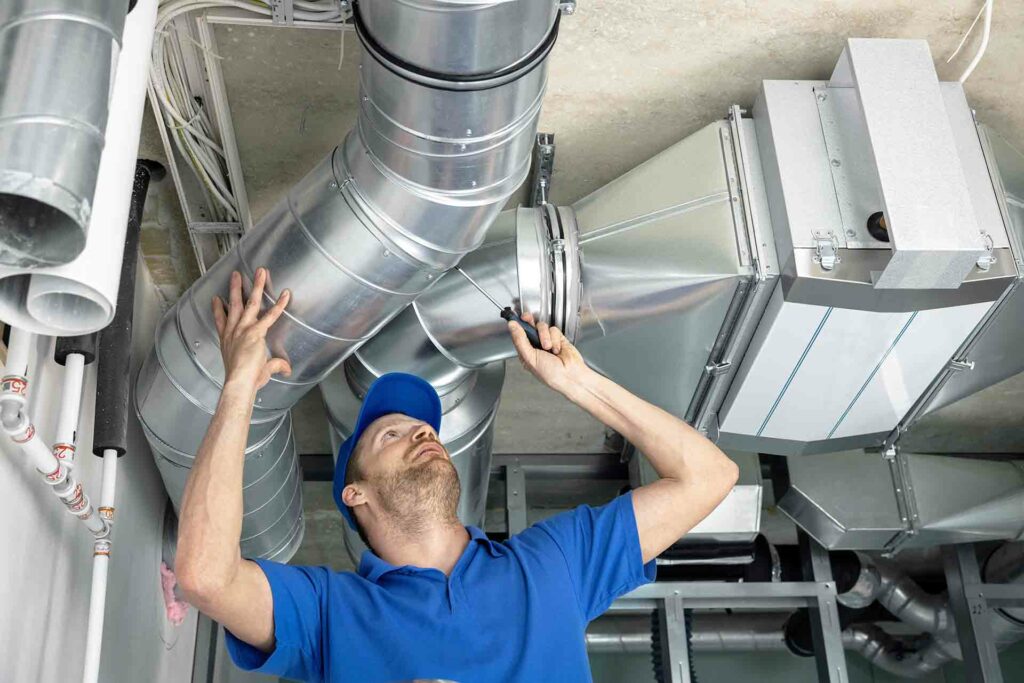
Regular maintenance is vital to keep your HVAC system running efficiently. Over time, various components of the system, such as filters and coils, can become dirty or worn out, reducing the system’s efficiency. A professional HVAC service provider can conduct regular check-ups, clean components, and replace parts as needed, ensuring the system operates at its optimum efficiency.

System Optimization

Professional HVAC services do not just stop at installation and maintenance; they also optimize the entire system for better performance. This process may involve adjusting airflow rates, calibrating thermostats, or optimizing the system’s controls to better match your usage patterns. Such optimization can significantly improve energy efficiency.

Timely Repairs

Even minor issues can cause your HVAC system to work harder than necessary, consuming more energy. Professional HVAC technicians can diagnose and fix problems early, before they escalate into major issues that require more energy and cost more to fix.

The Role of Advanced Technologies

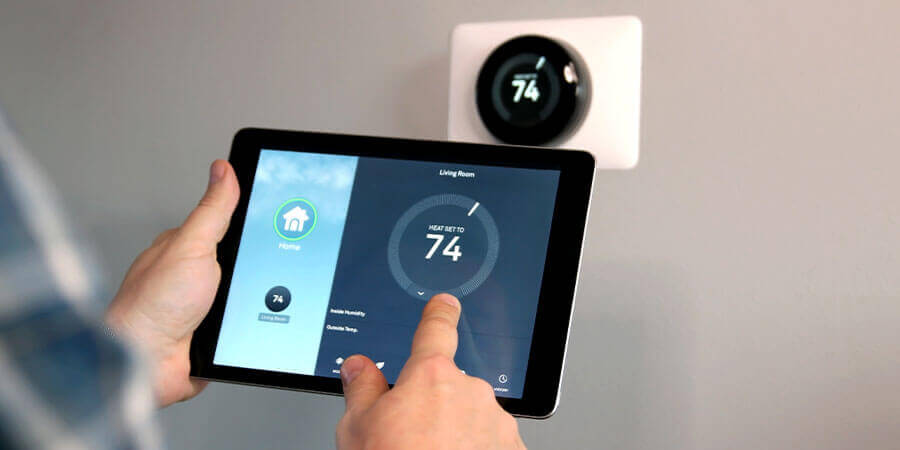
Advancements in technology are further enhancing the role of professional HVAC services in promoting energy efficiency. For instance, many service providers now use smart thermostats and sensors to monitor HVAC performance in real-time. These devices can identify inefficiencies quickly, allowing for timely interventions that improve energy efficiency.

Moreover, some HVAC service providers are leveraging data analytics and AI to predict potential system failures and conduct preventative maintenance. These predictive maintenance strategies can improve energy efficiency by ensuring the system is always performing at its best.

Conclusion

In the quest to reduce energy consumption and promote environmental sustainability, the role of professional HVAC services is pivotal. From proper installation and regular maintenance to system optimization and timely repairs, these services play a crucial role in ensuring your HVAC system is as energy-efficient as possible. By investing in professional HVAC services, you are not only saving on energy costs but also contributing to a more sustainable future.

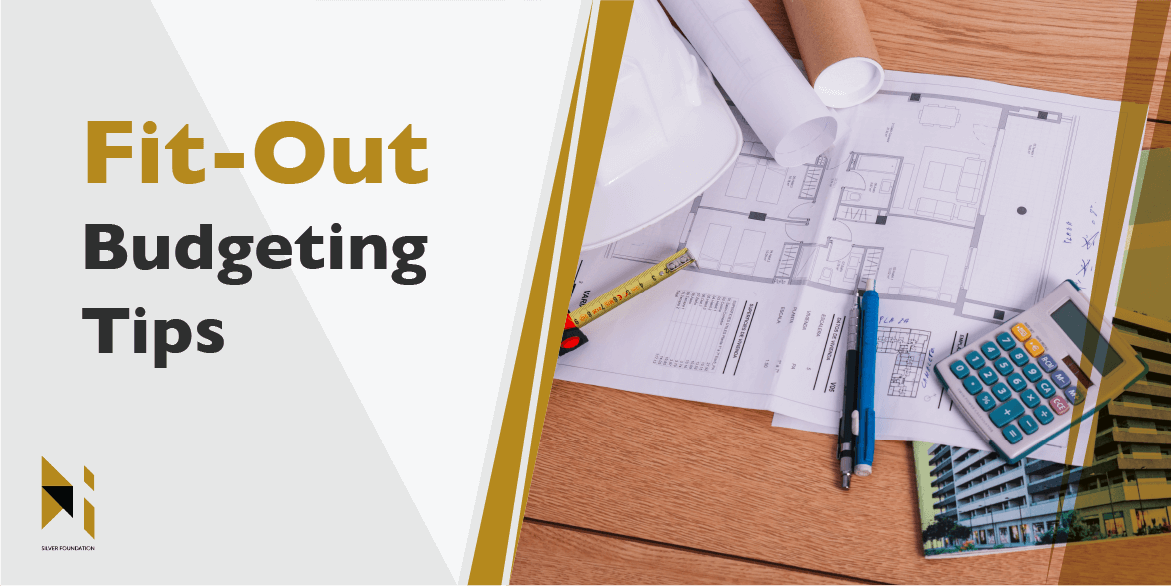
Fit-Out Budgeting Tips: Maximizing Value Without Compromising Quality

No matter the nature of your business, the importance of an appealing and functional workspace can’t be overstated. A well-designed office fit-out can significantly improve the productivity of your employees, boost your company’s image, and create an environment that fosters creativity and collaboration. However, achieving this doesn’t mean you have to break the bank. With careful planning and smart decision-making, you can maximize value without compromising on quality. Here are some tips to help you budget effectively for your fit-out project.

Understand Your Needs

Before you start planning your budget, you need to have a clear understanding of what you need from your workspace. This would depend on your business type, work style, and company culture. Do you need open spaces for collaboration or private offices for concentrated work? What kind of meeting spaces do you need? Once you have a clear picture of your needs, you can allocate your budget more effectively.

Prioritize

Not all elements of a fit-out carry the same weight. Determine which aspects of the fit-out are most crucial to your business operations and prioritize those in your budget. For example, if technology plays a significant role in your business, then investing in a robust IT infrastructure should be a priority.

Plan Ahead

Consider your long-term business plan. Will you be hiring more staff in the future? Do you plan to incorporate more technology or change your mode of operation? Your fit-out should be flexible enough to accommodate future changes without incurring significant additional costs.

Choose Quality Materials Wisely

While it might be tempting to save money by choosing cheaper materials, this can lead to higher maintenance costs in the long run. Instead, focus on choosing quality materials that offer durability and longevity. However, this doesn’t mean you need to opt for the most expensive option. Many affordable materials provide a great balance between cost and quality.

Hire Professionals

While hiring professional fit-out contractors might seem like an additional cost, they can actually save you money in the long run. Professionals have the expertise to avoid common pitfalls, negotiate better prices with suppliers, and ensure the project stays on track, avoiding costly delays.

Reuse and Recycle

Before you start ordering new furniture and equipment, take a look at what you already have. Can any of your existing furniture be repurposed or refurbished? Not only is this good for your budget, but it’s also better for the environment.

Leverage Technology

Using technology can help you save money on your fit-out. For example, using energy-efficient lighting and HVAC systems can reduce your utility bills. Likewise, implementing a smart office design can allow you to make the most of your available space and reduce the amount of physical infrastructure you need.

Negotiate

Don’t accept the first price you’re given. Whether it’s your fit-out contractor, furniture supplier, or equipment provider, there’s often room for negotiation. Make sure you do your research and know the market prices before entering into negotiations.

Monitor Your Budget

Once your fit-out project is underway, it’s crucial to keep a close eye on your budget. Monitor your spending carefully and ensure you’re staying on track. If unexpected costs arise, you’ll need to adjust your budget or make cuts elsewhere.

Conclusion

Creating an office space that’s functional, aesthetically pleasing, and conducive to productivity doesn’t have to cost a fortune. By understanding your needs, prioritizing effectively, planning for the future, and making smart decisions, you can achieve an exceptional office fit-out within your budget. Remember, the goal isn’t just to create a workspace that looks good, but one that adds value to your business in the long run.

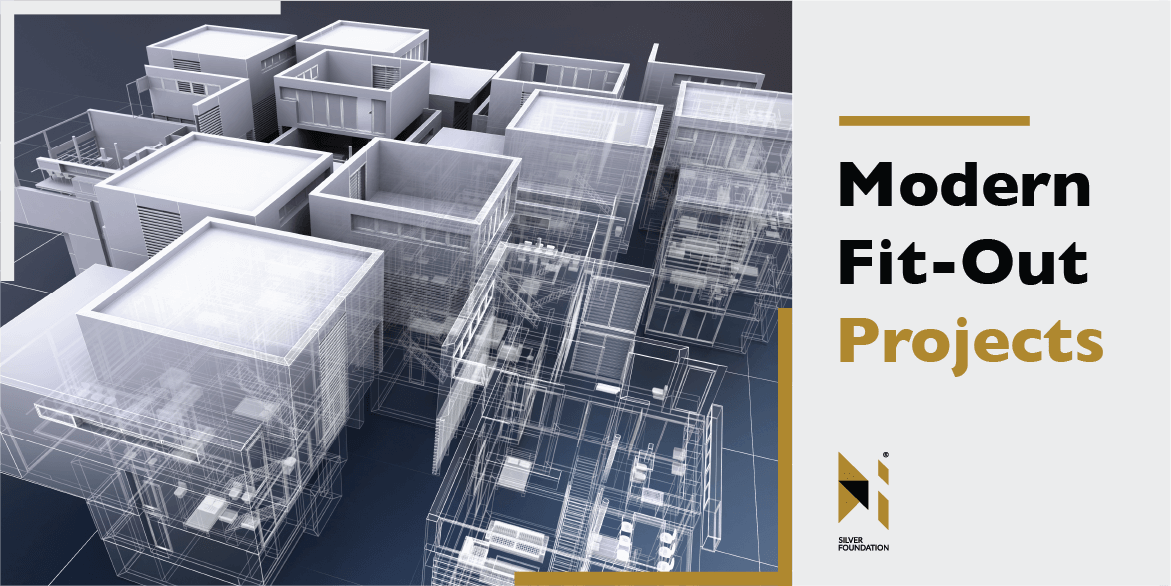
The Role of Technology in Modern Fit-Out Projects

The world is increasingly embracing digital transformation, and the construction industry is no exception. One particular area where technology is making significant strides is in fit-out projects. From digital design tools to smart materials and IoT, modern technology is transforming fit-out projects, making them more efficient, sustainable, and user-friendly.

Digital Design and Planning

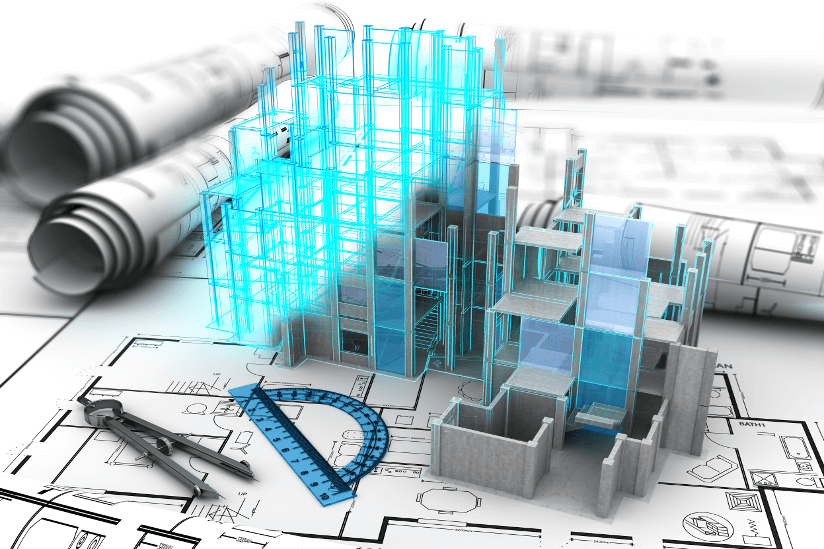
The design and planning phase of fit-out projects has greatly benefited from the advent of digital tools like Building Information Modelling (BIM). BIM allows architects, designers, and contractors to create detailed 3D models of a fit-out project before construction begins. These models can be used to visualize the project, identify potential issues, and make adjustments before work begins, reducing the risk of costly changes later on.
BIM also enables better collaboration between stakeholders. Everyone involved in the project—from architects and engineers to contractors and clients—can access the model, providing transparency and facilitating better communication.

Smart Materials

The use of smart materials is another trend shaping modern fit-out projects. These materials can adapt and respond to their environment, improving the functionality, comfort, and sustainability of the space.
For example, phase change materials (PCMs) can absorb, store, and release heat, helping to regulate indoor temperatures and reduce the need for air conditioning. Similarly, self-healing concrete can repair its own cracks, reducing maintenance costs and extending the lifespan of the structure.

Internet of Things (IoT)

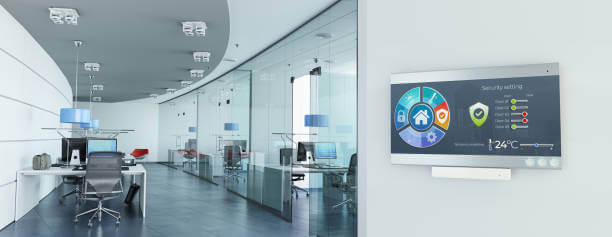
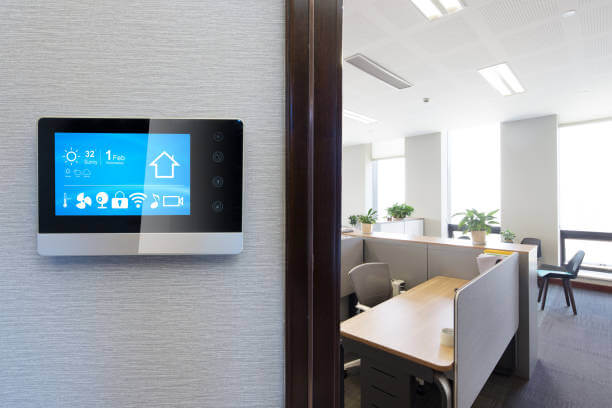
The Internet of Things (IoT) is playing a significant role in modern fit-out projects. IoT devices can monitor and control various aspects of a building’s environment, improving comfort, efficiency, and safety.
For instance, smart lighting systems can adjust light levels based on the time of day or occupancy, reducing energy use. Similarly, smart thermostats can automatically adjust temperature settings for optimal comfort and energy efficiency.
In addition, IoT devices can provide valuable data on how the space is being used, helping building owners and managers make informed decisions about maintenance, space planning, and future fit-out projects.

Augmented Reality (AR) and Virtual Reality (VR)

AR and VR technologies are transforming the way fit-out projects are presented and reviewed. With these technologies, stakeholders can virtually walk through the finished project before construction begins, providing a more intuitive understanding of the design than traditional 2D plans.
Furthermore, VR can be a powerful tool for stakeholder engagement. Clients can explore different design options and provide feedback in real time, leading to a design that better meets their needs and expectations.
AR, on the other hand, can overlay digital information onto the physical environment, helping contractors during the construction phase. For instance, AR can display installation instructions on a worker’s smart glasses, improving efficiency and reducing errors.

Conclusion

Technology is reshaping the way we approach fit-out projects, bringing numerous benefits from the design phase through to construction and operation. By embracing these technologies, businesses can create spaces that are not only visually appealing but also functional, sustainable, and adaptable to future needs. As we move forward, the integration of technology in fit-out projects will only continue to grow, providing exciting opportunities for innovation and improvement.

Offsite Construction: Streamlining the Building Process for Efficiency and Quality

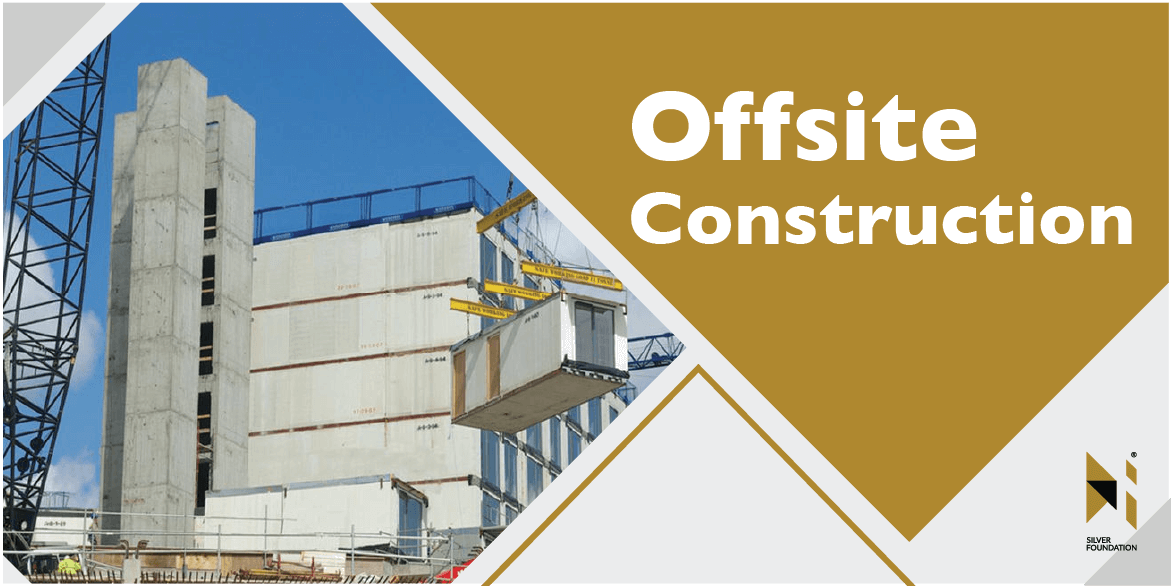
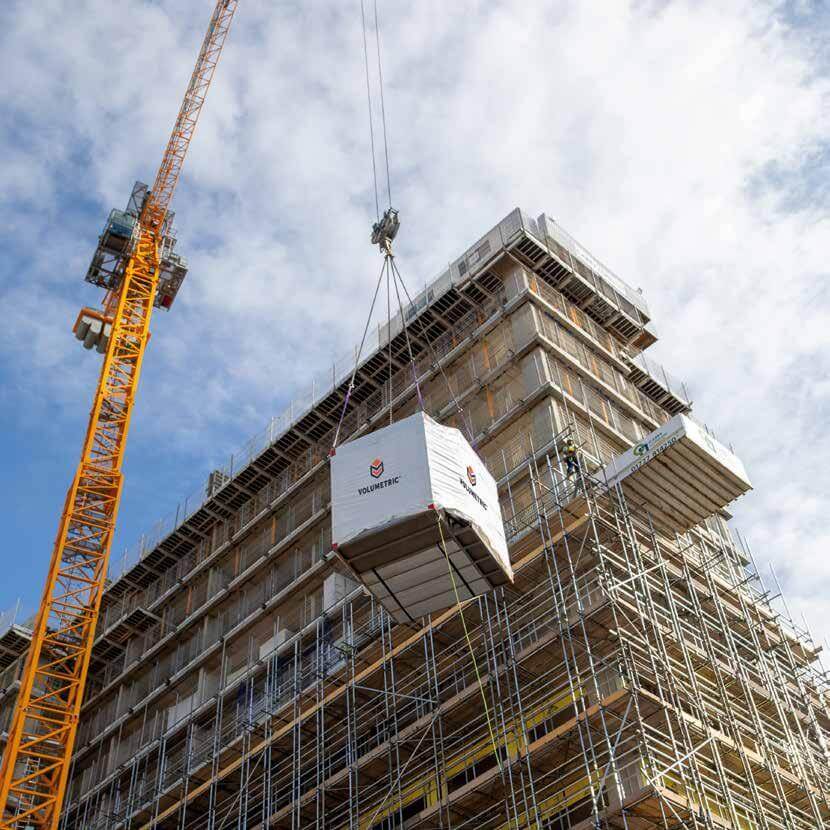
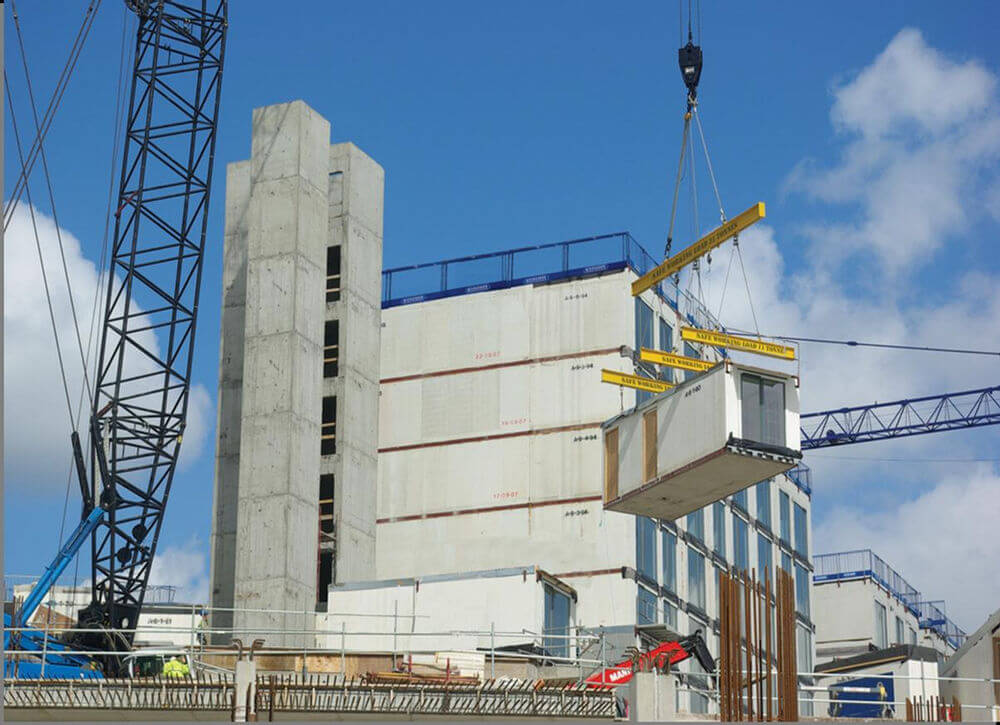
As the construction industry grapples with challenges such as labor shortages, rising material costs, and sustainability concerns, offsite construction emerges as a promising solution. Offsite construction involves the production of building components in a factory setting, which are then transported to the site for assembly. This approach streamlines the building process, leading to increased efficiency, reduced waste, and improved quality.

Efficiency: Saving Time and Reducing Waste

One of the most significant benefits of offsite construction is its potential for **efficiency**. Because components are manufactured in a controlled environment, construction can proceed regardless of weather conditions, reducing delays and speeding up the building timeline.
The factory setting also allows for precision manufacturing and assembly-line efficiency. This not only speeds up the process but also reduces waste, as materials can be used more efficiently and any offcuts can be recycled within the factory.

Quality: Consistency and Precision

Offsite construction can result in a higher **quality** end product. In a factory, conditions are controlled and processes are standardized, leading to more consistent results. Precision tools and machinery can be used to ensure that components meet exact specifications, reducing the risk of errors and defects.
Furthermore, quality checks can be performed throughout the manufacturing process, rather than at the end of the construction process. This allows for issues to be identified and corrected earlier, further improving the quality of the end product.

Flexibility: Customizable and Scalable

Despite the standardized processes, offsite construction offers a high degree of **flexibility**. Building components can be customized to meet specific design requirements, and the production process can be easily scaled up or down to meet demand.
This flexibility makes offsite construction suitable for a wide range of projects, from single-family homes to large-scale commercial buildings. It also allows for innovative designs and construction methods, as new technologies and materials can be easily incorporated into the production process.
Sustainability: Reducing Environmental Impact
Finally, offsite construction has significant **sustainability** benefits. The reduction in waste, combined with the efficient use of materials and energy, makes offsite construction a more environmentally friendly approach.
In addition, because components are manufactured offsite, there is less disruption to the site and its surroundings. This reduces noise, dust, and traffic associated with traditional construction, leading to a lower environmental impact.

Conclusion

Offsite construction is transforming the building process, offering efficiency, quality, flexibility, and sustainability benefits. While there are still challenges to overcome—including transportation logistics and regulatory hurdles—the potential of offsite construction is undeniable.

As the construction industry continues to evolve, offsite construction is likely to play an increasingly important role. By embracing this approach, the industry can not only address its current challenges but also pave the way for a more sustainable and efficient future.

Global Construction Trends: A Look at Developments Around the World

In an ever-evolving world, the construction industry is not left behind. It is continuously shaped by new trends and technologies, creating a dynamic and exciting landscape. From green buildings in Europe to prefabricated structures in Asia, to digitalization in North America, here’s a look at the global construction trends shaping the industry.

Europe: Green and Sustainable Building

A significant trend in Europe is the increasing emphasis on sustainable and green building The [European Green Deal] has set the tone for a “green wave” in construction, promoting energy-efficient buildings, reduced greenhouse gas emissions, and the use of sustainable materials.
The focus on carbon-neutral construction and retrofitting existing structures to meet new energy efficiency standards is a significant driver. New technologies such as green concrete and energy-generating solar windows are also gaining attention.

Asia: Prefabrication and Modular Construction

In Asia, prefabrication and modular construction are leading the way. This trend is driven by multiple factors, including labor shortages, rapid urbanization, and the need for efficient and cost-effective construction methods.
China, in particular, has been at the forefront of this trend with its impressive feats of rapid construction. Prefabricated and modular buildings are built off-site, then assembled on-site, reducing construction time and waste. This method also offers the flexibility to disassemble and relocate buildings, a feature that resonates with the transient nature of urban development in many Asian cities.

North America: Digitalization and Construction Tech

Digitalization and construction technology or ConTech, is a trend that has swept across North America. This trend is characterized by the use of software and digital tools to plan, design, and manage construction projects, improving efficiency and reducing costs.
Building Information Modeling (BIM) is being widely adopted, creating 3D models of buildings that can be interactively explored before they’re built. This allows for better planning and fewer errors in the construction process.
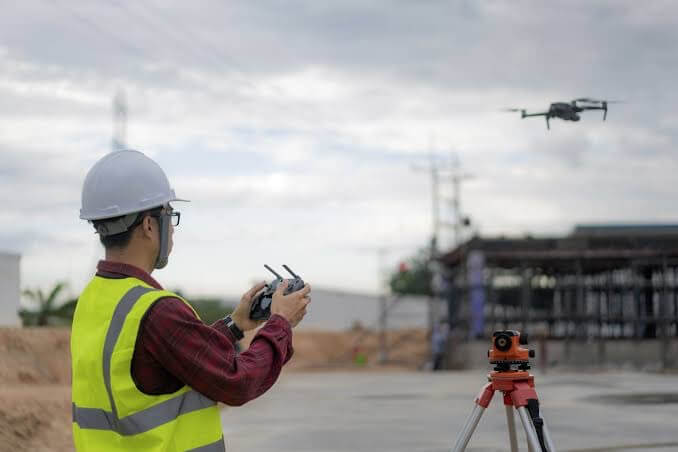
Drone technology is also being used for site surveys, inspections, and progress monitoring. Additionally, augmented reality (AR) and virtual reality (VR) technologies are gaining traction, offering immersive ways to visualize and interact with construction projects.

Africa: Affordable Housing and Local Material Use

Africa’s construction industry is seeing a growing emphasis on **affordable housing and local material use**. Rapid urbanization has increased the demand for affordable housing, leading to innovative construction methods designed to lower costs and speed up building times.
The use of local materials is also being promoted to reduce costs and make construction projects more sustainable. For example, in Rwanda, affordable housing projects are making use of bricks made from local volcanic ash, providing a cheaper and more eco-friendly alternative to traditional bricks.

Latin America: Infrastructure Development

Infrastructure development is a significant trend in Latin America, driven by increasing urban populations and the need for improved transport, water, and energy infrastructure. Governments across the region are prioritizing infrastructure projects, leading to a surge in construction activity.
This trend is also leading to increased use of public-private partnerships (PPPs) to fund and manage large-scale infrastructure projects. These partnerships combine public oversight with private sector efficiency, potentially resulting in better outcomes for these critical projects.

Conclusion

In a world increasingly focused on sustainability, efficiency, and digitalization, the construction industry is adapting to meet these demands. The trends discussed above reflect the diverse ways in which this is happening around the globe. As these trends continue to evolve, they will no doubt shape the future of the construction industry, making it more sustainable, efficient, and technologically advanced.

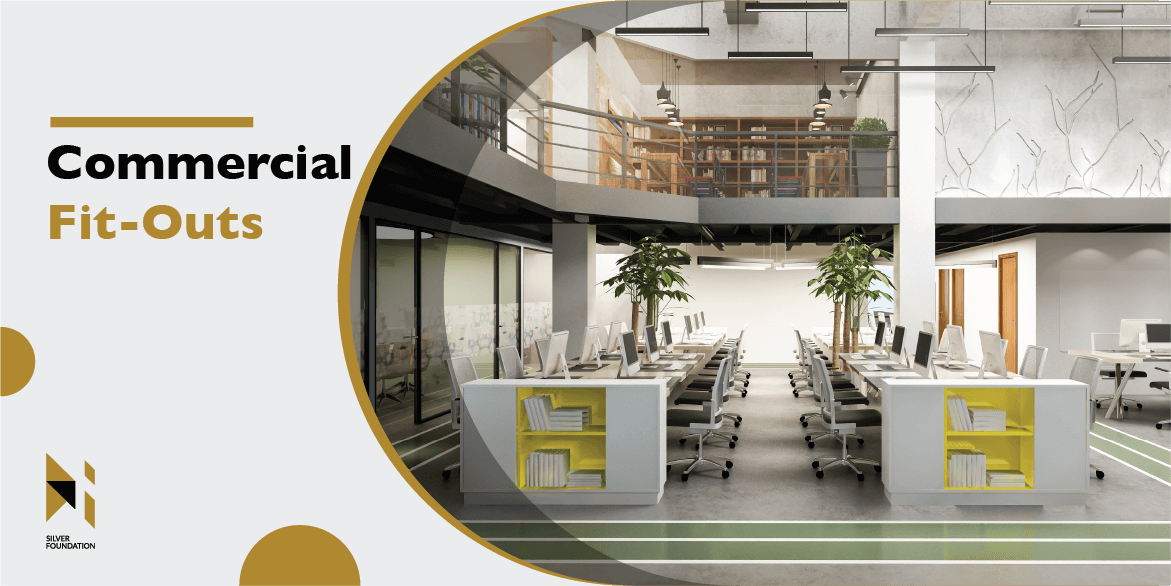
Commercial Fit-Outs: Balancing Tenant Needs and Building Requirements

When it comes to commercial fit-outs, striking the right balance between tenant needs and building requirements is crucial to ensure a successful project. As a property owner or manager, you must navigate the complexities of the design and construction process while adhering to building codes and regulations. In this blog, we will discuss the key aspects of a commercial fit-out project and offer practical tips to help you balance tenant needs with building requirements.

Understanding Commercial Fit-Outs

A commercial fit-out is the process of designing, constructing, and modifying a commercial space to meet the specific needs of a tenant. This process often involves coordinating with architects, designers, engineers, and contractors to create a space that is both functional and aesthetically pleasing.

There are three main types of fit-outs:

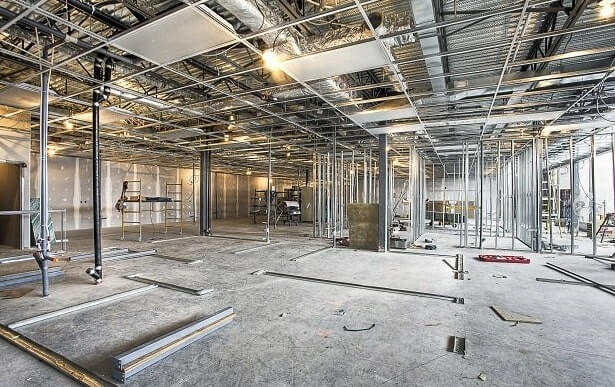
1. Shell and Core: This type of fit-out focuses on the basic structure and exterior of the building, leaving the interior open for customization by the tenant.

2. Category A: This fit-out level includes basic finishes, such as flooring, ceilings, and lighting fixtures, but does not include any tenant-specific elements.

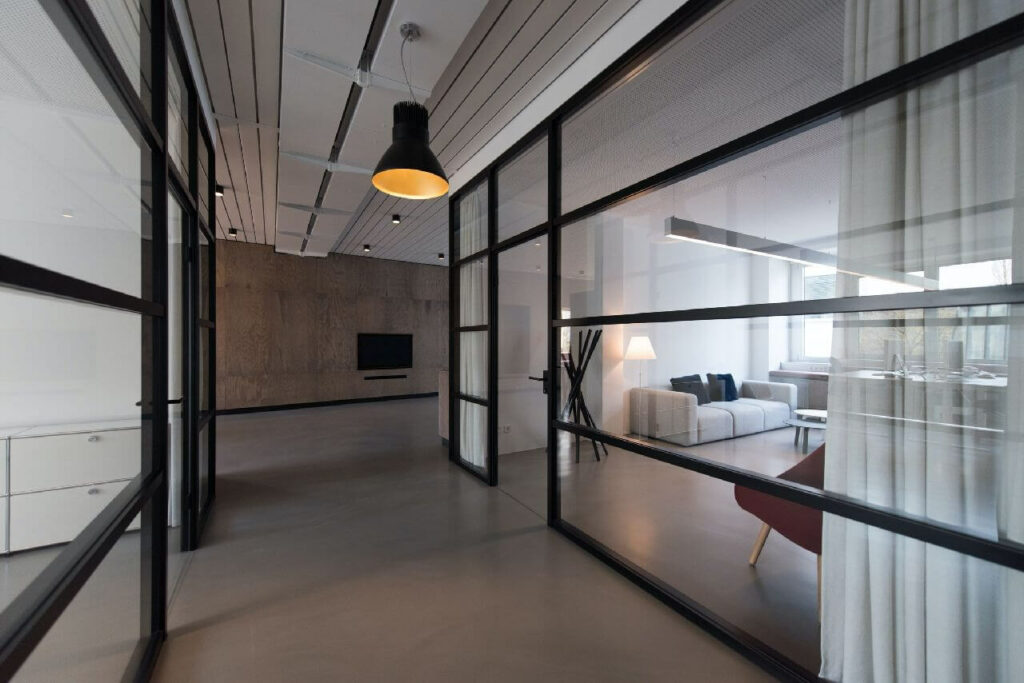
3. Category B: This is the most comprehensive type of fit-out, incorporating the tenant’s specific requirements in terms of layout, design, and branding.

Balancing Tenant Needs and Building Requirements

Communication and Collaboration

The key to effectively balancing tenant needs with building requirements is open communication and collaboration between all parties involved. Regular meetings with tenants, architects, designers, and contractors can help identify potential challenges and find solutions that satisfy both the tenant and building requirements.

Flexibility and Adaptability

It’s essential to be flexible and adaptable when working on commercial fit-out projects. Tenant needs may change as the project progresses, or new building regulations may come into play. Being open to changes and adapting the design and construction plans accordingly will ensure a successful outcome.

Consider Building Codes and Regulations

Building codes and regulations are in place to ensure the safety and functionality of a commercial space. When planning a fit-out project, it’s crucial to be aware of these regulations and incorporate them into the design and construction process. Failure to do so can lead to delays, fines, and even legal issues.

Prioritize Tenant Satisfaction

Ultimately, the success of a commercial fit-out project hinges on tenant satisfaction. Prioritize their needs and preferences throughout the design and construction process. By doing so, you’ll create a space that meets their expectations and fosters a long-lasting, positive relationship.

Practical Tips for Balancing Tenant Needs and Building Requirements

1. Develop a Comprehensive Project Plan**: Before starting a fit-out project, develop a comprehensive plan that outlines the design, construction, and timeline. This plan will serve as a roadmap for all parties involved and help keep the project on track.

2. Hire Experienced Professionals: Working with experienced architects, designers, and contractors can help ensure the success of your commercial fit-out project. They will be familiar with building codes and regulations and can find creative solutions to meet tenant needs.

3. Stay Organized: Keep detailed records of all aspects of the fit-out project, including design plans, permits, and contracts. This will help you stay organized and on top of any changes or issues that may arise.

4. Monitor Progress and Budget: Regularly monitor the progress of the project and ensure that it stays within the allocated budget. This will help you identify potential issues early on and address them before they escalate.

Conclusion

Balancing tenant needs with building requirements in a commercial fit-out project requires clear communication, flexibility, and a thorough understanding of building codes and regulations. By following these guidelines and working closely with experienced professionals, you can create a successful commercial space that meets the needs of your tenants and adheres to building requirements.

Building Resilient Cities: Climate-Adaptive Construction Techniques

Climate change has emerged as one of the most pressing challenges of our time. As global temperatures continue to rise, cities around the world are facing increasingly severe climate-related hazards, such as floods, storms, heatwaves, and rising sea levels. Building resilient cities has become an urgent priority for urban planners, architects, and engineers. This blog will explore the concept of resilient cities and discuss some of the most innovative climate-adaptive construction techniques that are helping to protect urban environments and their inhabitants from the impacts of climate change.

What is a Resilient City?

A resilient city is one that can withstand and recover from the impacts of climate change, natural disasters, and other stressors. Resilience is not only about preparing for and coping with extreme events, but also about adapting and transforming urban systems in response to long-term changes in climate and environmental conditions. Building resilient cities involves a wide range of strategies, from improving infrastructure and building design to fostering social cohesion and strengthening local economies.

Climate-Adaptive Construction Techniques

The construction sector plays a critical role in shaping the resilience of cities. By adopting innovative climate-adaptive construction techniques, we can create buildings and infrastructure that are better equipped to withstand the impacts of climate change. Some of the most promising techniques include:

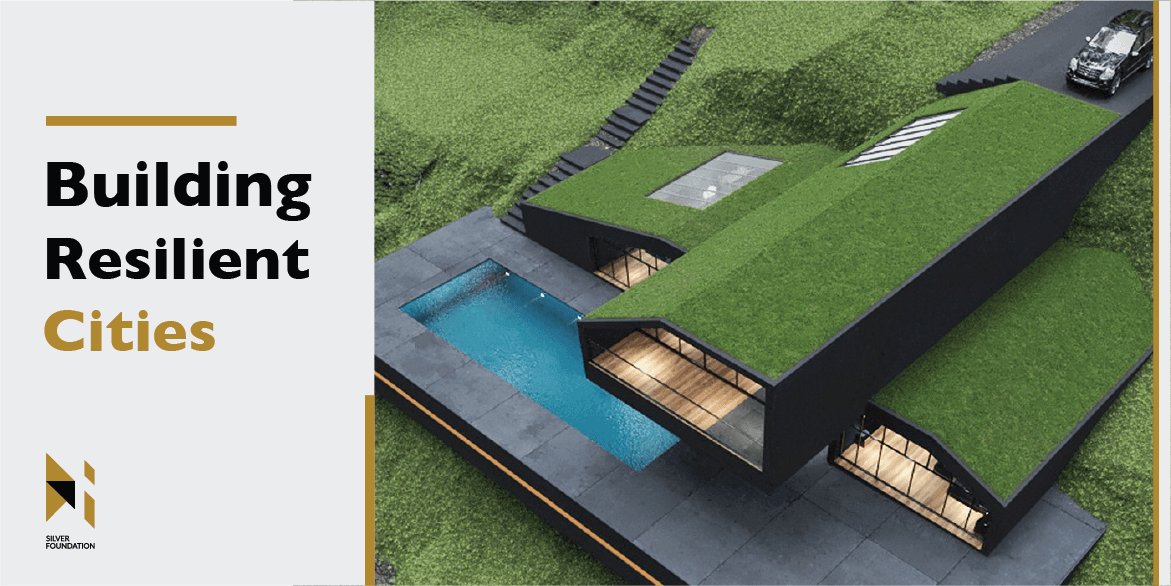
Green Roofs and Walls
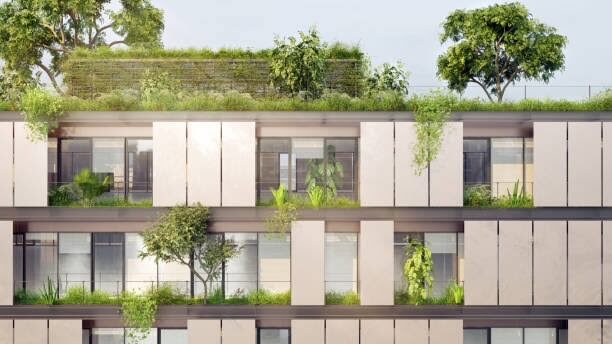
Green roofs and walls are covered with vegetation, which helps to reduce heat absorption, improve air quality, and manage storm water runoff. By acting as insulation, green roofs keep buildings cooler in the summer and warmer in the winter, reducing energy consumption and greenhouse gas emissions. Green walls can also provide a natural barrier against heat and noise pollution, improving the comfort and well-being of building occupants.

Flood-Resistant Design
Flood-resistant design involves building structures that can withstand and recover quickly from flooding events. This can include elevating buildings above anticipated flood levels, installing watertight doors and windows, and using materials that are resistant to water damage. Permeable surfaces, such as porous pavement, can also be used to help manage storm water runoff and reduce the risk of flooding in urban areas.

Cool Pavements and Surfaces
Cool pavements and surfaces are designed to reflect more sunlight and absorb less heat than conventional materials, such as asphalt. This can help to reduce the urban heat island effect, which occurs when built-up areas become significantly warmer than their rural surroundings due to the absorption and re-radiation of heat by buildings and pavements. By mitigating the urban heat island effect, cool pavements can improve air quality, reduce energy consumption, and enhance the comfort and health of urban residents.

Passive Solar Design
Passive solar design uses the sun’s energy to heat, cool, and light buildings without the need for mechanical systems. By taking advantage of natural ventilation, thermal mass, and solar orientation, passive solar design can significantly reduce the energy consumption and environmental impacts of buildings. Some key principles of passive solar design include maximizing south-facing windows, using thermal mass to store heat, and providing effective shading and insulation.

Modular and Prefabricated Construction

Modular and prefabricated construction techniques involve assembling buildings from pre-made components, which can be manufactured off-site and transported to the construction site for assembly. This approach can reduce waste, minimize disruption to the local environment, and allow for faster and more efficient construction. In addition, modular and prefabricated buildings can be designed to be more resilient to extreme weather events and natural disasters.

Conclusion

Building resilient cities is essential for protecting our urban environments and their inhabitants from the impacts of climate change. By adopting innovative climate-adaptive construction techniques, we can create buildings and infrastructure that are more resilient, sustainable, and adaptable to changing environmental conditions. By working together, urban planners, architects, engineers, and policymakers can help to ensure that our cities are better prepared for the challenges of the future.