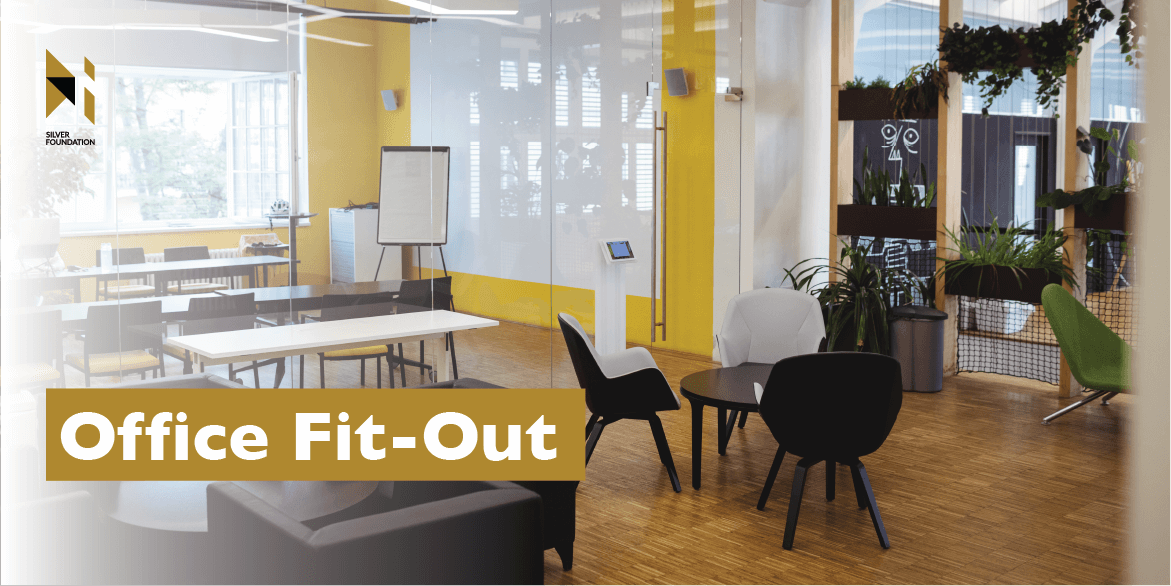
Office Fit-Outs: Designing the Perfect Workspace for Productivity and Wellbeing

In today’s fast-paced business world, designing an office space that promotes productivity and wellbeing is more important than ever. A well-planned office fit-out considers not only the functional aspects of the workspace but also fosters a positive work environment that supports employee satisfaction, collaboration, and overall performance. In this blog post, we will explore the key factors to consider when designing the perfect workspace, focusing on creating a balance between productivity and wellbeing.

Understanding the Importance of Office Fit-Outs

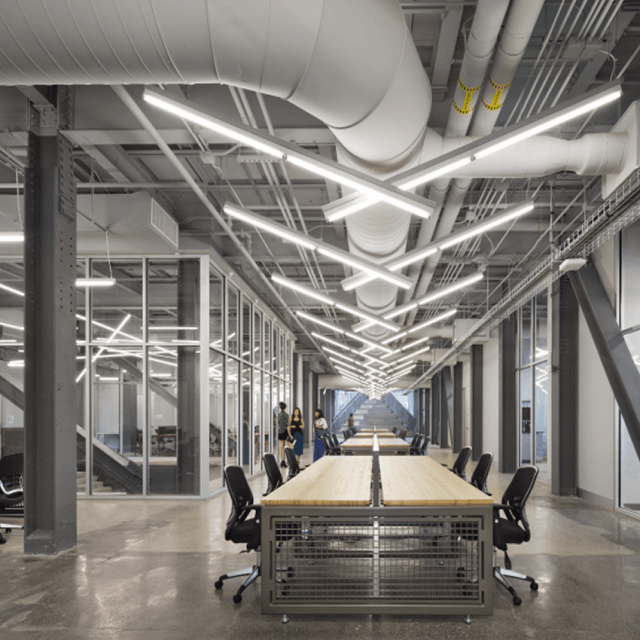
As businesses continue to evolve and adapt to modern work practices, the traditional office environment has undergone significant transformations. Today’s office fit-outs are no longer just about providing employees with a desk and a chair; they involve creating spaces that encourage collaboration, creativity, and mental wellbeing. A well-designed office fit-out can lead to numerous benefits, such as:
1. Improved employee productivity: An efficient and comfortable workspace allows employees to focus and work more effectively.
2. Enhanced collaboration and communication: Thoughtfully designed common areas and meeting spaces foster teamwork and interaction among team members.
3. Reduced stress and increased wellbeing: A pleasant and inspiring work environment can contribute to employee happiness, reducing stress levels and improving overall wellbeing.
4. Attraction and retention of talent: A modern and appealing office space can help attract top talent and encourage employees to stay with the company long-term.
Key Factors to Consider in Office Fit-Outs

To create a successful office fit-out that balances productivity and wellbeing, consider the following factors:

Ergonomics and Comfort
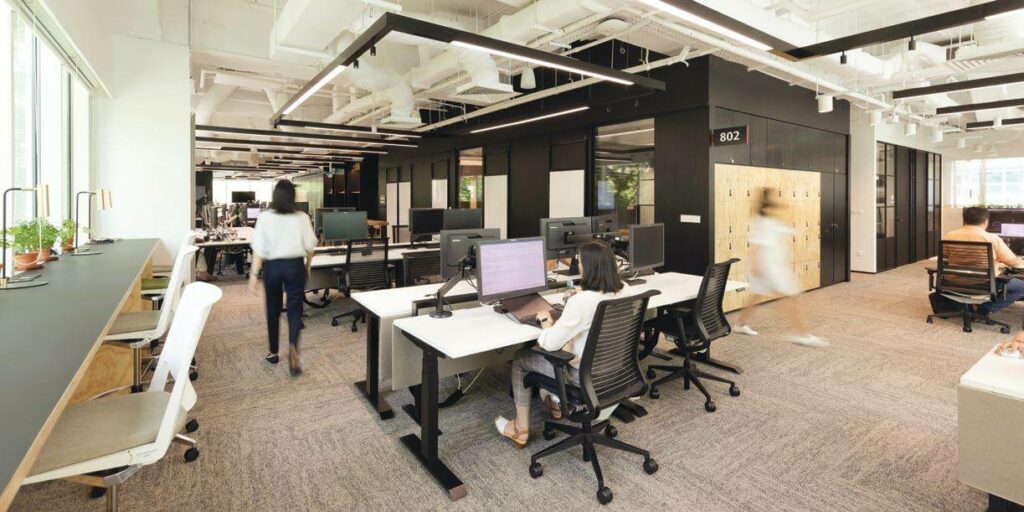
Ensuring that employees have comfortable and ergonomically designed workstations is essential for maintaining productivity and preventing work-related injuries. Invest in adjustable chairs and desks, monitor arms, and keyboard trays to create a customizable and comfortable workspace for each employee.
Natural Light and Biophilic Design
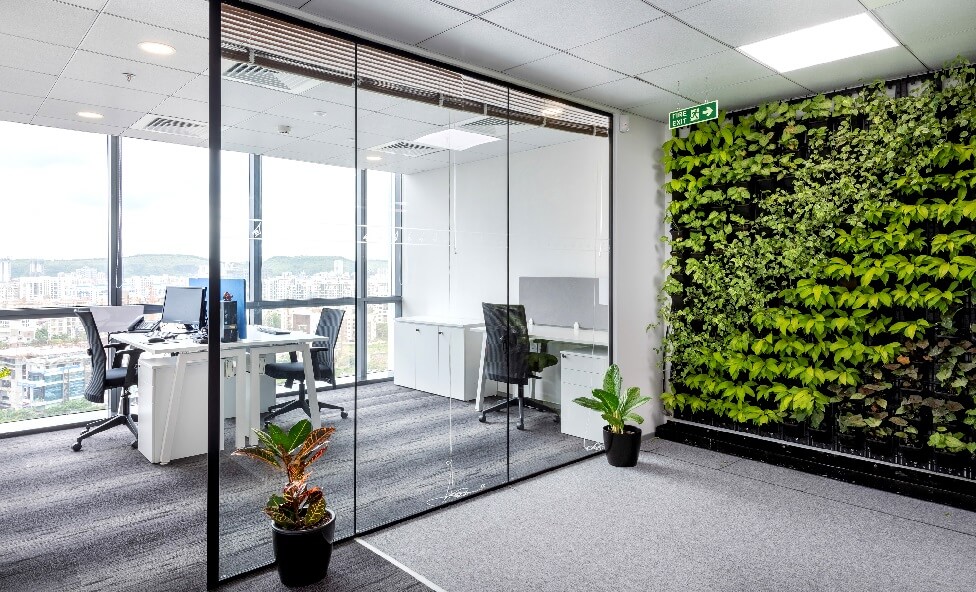
Incorporating natural light and elements of nature into the office design can have a significant impact on employee wellbeing and productivity. Large windows, skylights, and open floor plans can help maximize natural light, while incorporating plants, green walls, and natural materials can bring a sense of nature indoors.
Acoustics and Noise Control
Excessive noise can be a significant distraction and hinder productivity in the workplace. Consider incorporating acoustic panels, soundproofing materials, and designated quiet zones to create a balanced sound environment that allows employees to focus and collaborate effectively.
 Flexible and Adaptable Spaces
Modern offices should be designed to adapt to the ever-changing needs of businesses and employees. Incorporate modular furniture, movable walls, and multi-functional spaces that can be easily reconfigured to support various work styles, team sizes, and project requirements.
Breakout and Relaxation Areas
Creating spaces where employees can relax and recharge is crucial for maintaining mental wellbeing and promoting creativity. Designate comfortable breakout areas with soft seating, calming colors, and recreational amenities, such as games or reading materials, to encourage employees to take breaks and socialize with coworkers.
Embracing the Future of Workspace Design
As the concept of work continues to evolve, office fit-outs must keep up with the changing needs and preferences of employees. Remote and hybrid work models are becoming increasingly popular, which means that office spaces must be designed to support flexible work arrangements. Additionally, as sustainability becomes a more significant concern, incorporating eco-friendly materials and energy-efficient systems into office fit-outs will become the norm.
Conclusion

In conclusion, designing the perfect workspace for productivity and wellbeing requires a thoughtful and holistic approach to office fit-outs. By considering the factors discussed in this blog post and embracing the future of workspace design, businesses can create an environment that supports the success and happiness of their employees, ultimately leading to improved performance and growth.
Construction Site Safety: Best Practices and Innovations

Construction site safety is a critical aspect of the industry, with a direct impact on worker wellbeing, project timelines, and overall project success. As construction projects become more complex, embracing best practices and innovative technologies to improve safety is paramount. This blog post will delve into essential construction site safety practices and explore cutting-edge innovations that are shaping the future of construction safety management.

The Importance of Construction Site Safety

Construction sites are inherently hazardous environments, with workers often exposed to risks such as falls, vehicle accidents, and contact with dangerous materials or equipment. Ensuring safety on construction sites is crucial for several reasons:

1. Protecting worker health and wellbeing: The primary goal of construction safety management is to prevent injuries and fatalities among workers, ensuring a healthy and productive workforce.

2. Minimizing project delays and financial losses: Accidents and injuries can lead to project delays, increased costs, and potential legal liabilities for construction companies.

3. Enhancing company reputation: A strong safety record can improve a company’s reputation, making it more appealing to clients, partners, and potential employees.

Best Practices for Construction Site Safety

Implementing best practices for construction site safety is essential to minimize risks and create a safe working environment. Some key practices include:

Comprehensive Safety Training

Providing comprehensive safety training for all workers is crucial to ensure they understand the potential hazards on-site and the appropriate precautions to take. Regular refresher courses should also be conducted to keep workers up to date with safety procedures and industry regulations.

Personal Protective Equipment (PPE)

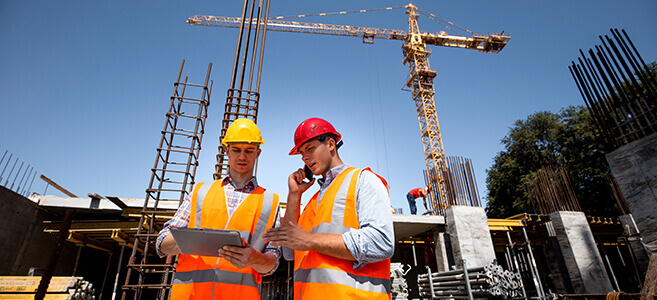
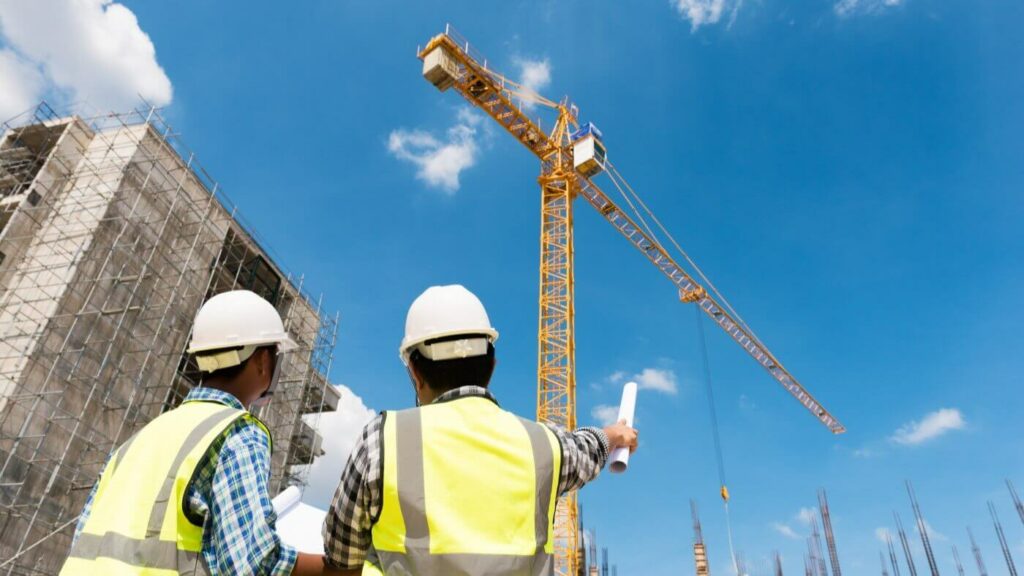
Workers should be equipped with appropriate PPE, such as hard hats, safety goggles, high-visibility vests, and hearing protection, to reduce the risk of injury. Employers must ensure that PPE is well-maintained, readily available, and worn correctly at all times.

Proper Use and Maintenance of Equipment

Using equipment safely and correctly is critical in preventing accidents on construction sites. Workers should be trained in the proper use, inspection, and maintenance of equipment and tools. Additionally, regular equipment checks should be conducted to identify and rectify any malfunctions or damage.

Clear Communication and Signage

Effective communication is key to ensuring safety on construction sites. Employers should establish clear channels of communication, hold regular safety meetings, and display safety signage throughout the site to inform workers of potential hazards and safe work practices.

 Housekeeping and Organization

Maintaining a clean and organized construction site can help prevent accidents caused by tripping hazards, falling objects, or obstructed pathways. Regular housekeeping and organization should be prioritized, with designated areas for tool storage, waste disposal, and material staging.


Innovations in Construction Site Safety

Emerging technologies are transforming the field of construction safety, offering new ways to monitor hazards, improve training, and enhance overall site safety. Some notable innovations include:

Wearable Technology

Wearable devices, such as smart hard hats or safety vests with embedded sensors, can monitor workers’ vital signs, location, and fatigue levels, alerting supervisors to potential safety concerns in real-time. Additionally, wearables can detect falls or other accidents, allowing for a rapid response in emergencies.

Drones and Robotics

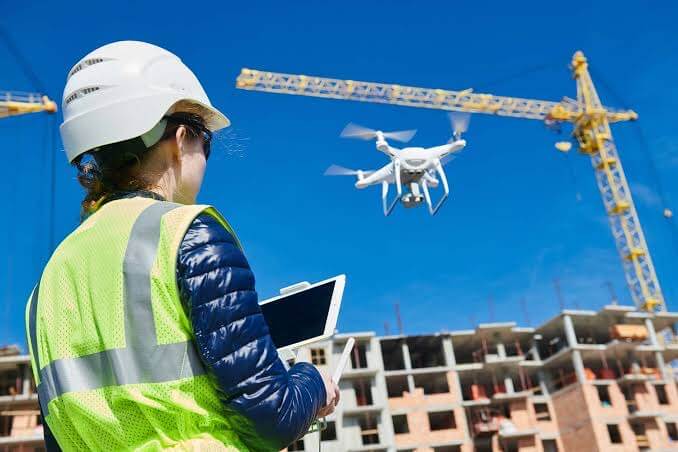
Drones and robotic equipment can be used to conduct inspections or perform tasks in hazardous areas, minimizing human exposure to dangerous situations. Drones can also assist in monitoring site progress and identifying potential safety hazards from an aerial perspective.

Virtual Reality (VR) and Augmented Reality (AR)

VR and AR technologies can enhance safety training by providing immersive, realistic simulations of construction site hazards and emergency situations. These technologies can also be used on-site to overlay safety information or instructions onto workers’ field of view, improving communication and situational awareness.

Artificial Intelligence (AI) and Data Analysis AI-powered tools can analyze vast amounts of data from construction sites, identifying trends and patterns related to safety incidents. This information can be used to inform safety practices, predict potential hazards, and develop targeted interventions to reduce risks.

Conclusion

In conclusion, construction site safety is an integral part of the industry, with best practices and technological innovations playing a vital role in protecting workers and ensuring project success. By embracing these safety measures and staying abreast of emerging technologies, construction companies can create a safer, more efficient, and productive work environment for all involved.

The Future of Construction: AI’s Transformative Impact on the Industry

The construction industry is on the cusp of a revolution, with artificial intelligence (AI) paving the way for a more streamlined, efficient, and innovative future. As a vital sector responsible for the development of infrastructure, housing, and commercial spaces, the construction industry stands to benefit greatly from the integration of AI. In this blog post, we’ll explore how AI is transforming the construction business, from planning and design to execution and maintenance.

Enhanced Planning and Design

AI has the potential to revolutionize the planning and design phase of construction projects. By leveraging advanced algorithms and machine learning, AI can analyze complex data sets and generate optimized designs that take into consideration factors such as structural stability, energy efficiency, and cost constraints. This leads to faster, more accurate, and cost-effective planning and design processes. Additionally, AI-powered generative design tools can produce multiple design iterations in a matter of seconds, allowing architects and engineers to explore more possibilities and select the best option for a given project. This not only saves time and resources but also allows for the creation of more innovative and sustainable designs.

Improved Project Management

Effective project management is crucial in ensuring the success of construction projects. AI can be utilized for better project management by automating tasks, tracking progress, and identifying potential issues before they escalate. Machine learning algorithms can analyze historical data to predict project outcomes and inform decision-making, helping project managers optimize resources, reduce risks, and improve overall efficiency.
Furthermore, AI can be used to create intelligent scheduling systems that take into account factors such as weather conditions, worker availability, and supply chain disruptions to optimize project timelines and reduce delays.

Enhanced Construction Site Safety

The construction industry is well-known for its hazardous working conditions, and AI has the potential to significantly improve safety on construction sites. AI-powered equipment can detect potential hazards and alert workers to unsafe conditions in real-time. Drones equipped with AI technology can also be used to monitor construction sites, identifying safety issues and providing valuable data to improve overall site safety.

Automation and Robotics

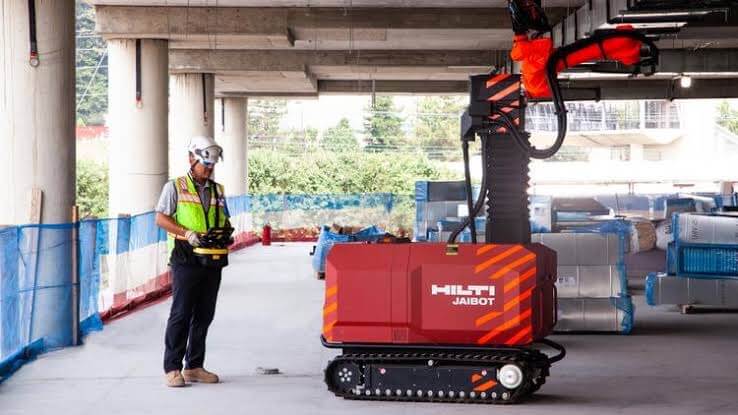
AI-driven robotics and automation are changing the way construction projects are executed. Autonomous construction equipment, such as excavators and bulldozers, can perform tasks without human intervention, leading to increased efficiency and reduced labor costs. Robotic bricklayers, for example, can lay bricks up to six times faster than a human worker, significantly accelerating the construction process.
Moreover, AI-powered robots can be used in hazardous or hard-to-reach areas, reducing the risk of injury to human workers and enabling construction in otherwise inaccessible locations.

Building Maintenance and Inspection

AI can play a crucial role in the maintenance and inspection of completed construction projects. Drones and robots equipped with AI technology can efficiently perform inspections to identify potential issues, such as structural damage, leaks, or energy inefficiencies. This data can be used to optimize maintenance schedules and ensure the longevity of buildings and infrastructure.

Conclusion

In conclusion, AI is set to have a transformative impact on the construction industry, from enhancing planning and design to automating tasks and improving safety. By embracing this technology, the construction business will be able to deliver projects more efficiently, reduce costs, and create more sustainable, innovative structures for the future.


Mastering MEP Design: The Backbone of Modern Buildings

In today’s complex and interconnected world, buildings are more than just walls and roofs; they are intricate systems that provide comfort, safety, and functionality to the people who inhabit them. One of the key components of modern buildings is the integration of Mechanical, Electrical, and Plumbing (MEP) systems. In this blog, we’ll delve into the world of MEP design, exploring its importance, the role of MEP engineers, and the crucial aspects that contribute to the success of a building project.

What is MEP Design?

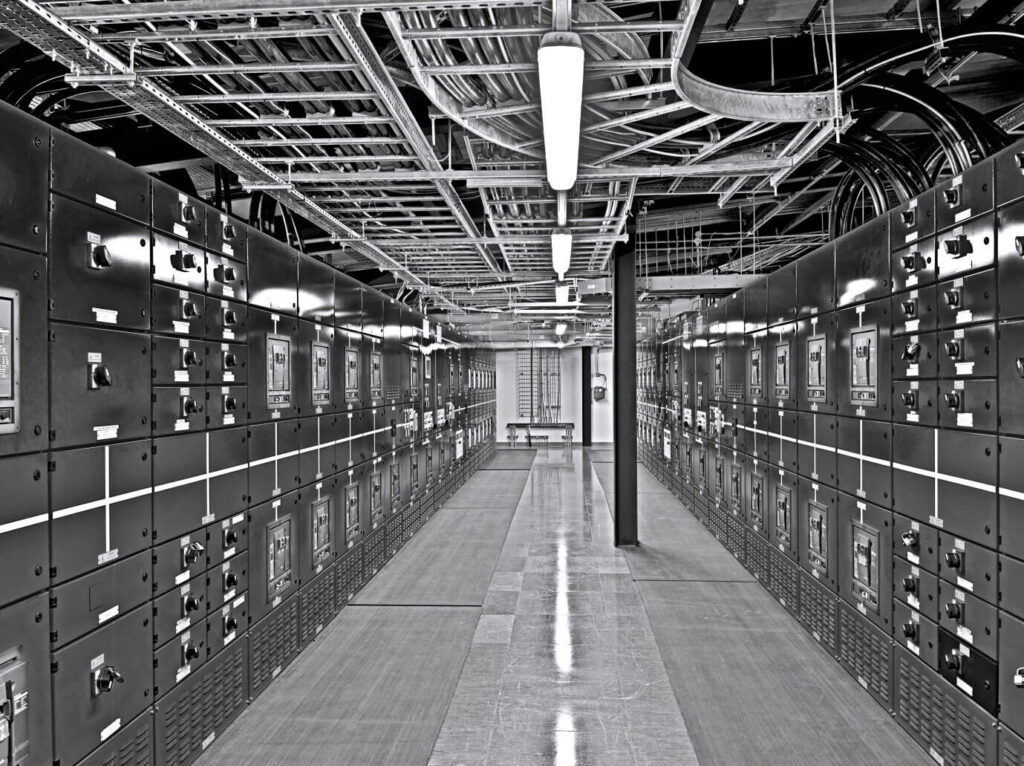
MEP design refers to the planning and coordination of a building’s mechanical, electrical, and plumbing systems. These systems are responsible for essential functions, such as temperature control, lighting, power distribution, water supply, and waste management. MEP design is a critical aspect of the overall building design process, as it ensures that these systems are seamlessly integrated and operate efficiently within the building’s structure.

The Importance of MEP Design

Effective MEP design plays a vital role in creating comfortable, safe, and efficient buildings. Some of the main reasons for its importance include:

1. Occupant Comfort: MEP systems, such as heating, ventilation, and air conditioning (HVAC), are responsible for maintaining a comfortable indoor environment, ensuring that occupants feel at ease within the building.
2. Energy Efficiency: Well-designed MEP systems minimize energy consumption, reduce greenhouse gas emissions, and contribute to a building’s overall sustainability.
3. Safety and Compliance: MEP design ensures that buildings comply with local codes and regulations, including fire safety, electrical safety, and plumbing standards.
4. Cost Effectiveness: Properly designed and coordinated MEP systems can lower construction costs, reduce maintenance expenses, and enhance the building’s long-term value.

The Role of MEP Engineers

MEP engineers are responsible for the design, planning, and coordination of a building’s mechanical, electrical, and plumbing systems. Their primary tasks include:

1. Design: MEP engineers develop detailed designs for each system, taking into consideration factors such as energy efficiency, occupant comfort, and code compliance.
2. Coordination: MEP engineers collaborate with architects, structural engineers, and other stakeholders to ensure that MEP systems are seamlessly integrated within the building’s overall design.
3. Construction Support: During the construction phase, MEP engineers provide oversight and guidance, answering questions, reviewing shop drawings, and ensuring that the installation of MEP systems adheres to the design intent.
4. Commissioning: MEP engineers participate in the commissioning process, verifying that systems are functioning as designed and making any necessary adjustments to optimize performance.

Key Aspects of Successful MEP Design

To achieve a successful MEP design, several crucial aspects must be considered:

1. Collaboration: Effective communication and collaboration among all stakeholders, including architects, structural engineers, and contractors, are essential for ensuring that MEP systems are properly integrated and meet the project’s goals and requirements.
2. Sustainability: As sustainability becomes increasingly important in the construction industry, MEP engineers must prioritize energy-efficient design solutions and incorporate renewable energy sources whenever possible.
3. Code Compliance: Navigating local codes and regulations is a critical aspect of MEP design. Engineers must ensure that systems are compliant with relevant standards, which may include fire safety, electrical safety, and plumbing codes.
4. Flexibility: MEP design should accommodate potential changes in building usage, occupants, and technology, allowing for easy modifications and upgrades in the future.
5. Maintenance and Operations: Designing MEP systems with ease of maintenance and operations in mind can help minimize long-term costs and ensure the longevity of the building’s systems.

Conclusion

MEP design is an integral part of modern building design, providing the backbone for the essential systems that make our built environment comfortable, safe, and functional. By prioritizing collaboration, sustainability, and flexibility, MEP engineers can create innovative and efficient solutions that contribute to the overall success of a building project. As technology continues to evolve and sustainability becomes an ever-present concern, the role of MEP design will only continue to grow in importance, shaping the future of our built environment.


Embracing Green Building: The Future of Sustainable Construction

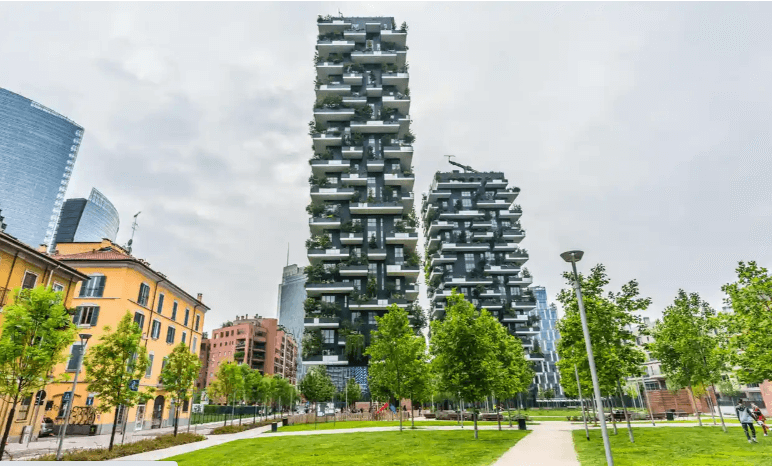
As concerns about environmental impact and resource efficiency continue to grow, green building has emerged as a powerful solution for a more sustainable future. In this blog, we’ll explore the concept of green building, discuss its key principles, and highlight some of the benefits it offers to both the environment and the people who inhabit these eco-friendly spaces.

What is Green Building?

Green building, also known as sustainable or eco-friendly construction, refers to the practice of designing, constructing, and operating buildings in a way that minimizes their environmental impact, while also prioritizing the health and well-being of occupants. This holistic approach encompasses every aspect of the building process, from site selection and materials to energy efficiency and indoor air quality.

Principles of Green Building

Green building is guided by a set of key principles that aim to promote sustainability and reduce negative environmental impacts. Some of these principles include:

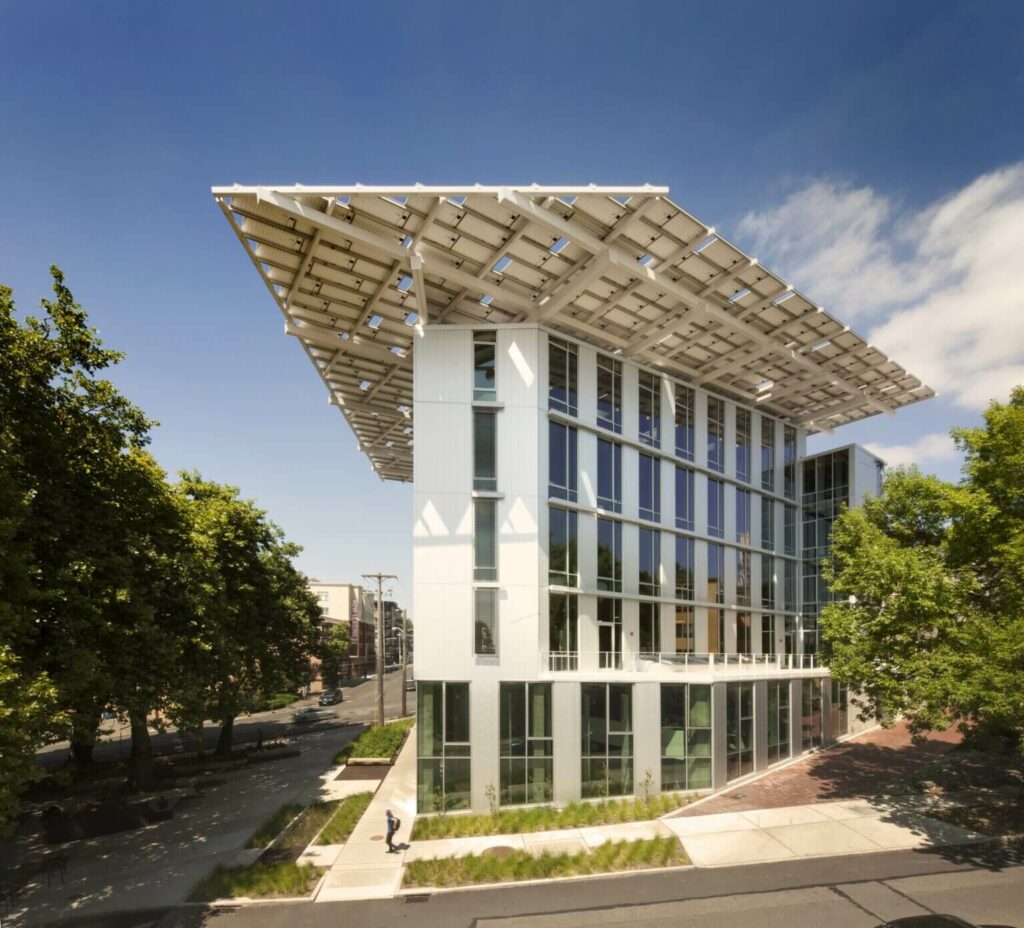
1. Energy Efficiency: Green buildings are designed to minimize energy consumption through the use of passive design strategies, high-efficiency appliances, and renewable energy sources, such as solar panels or wind turbines.

2. Water Conservation: Sustainable buildings incorporate water-saving features, such as rainwater harvesting systems, greywater recycling, and low-flow plumbing fixtures, to reduce water consumption and minimize the strain on local water resources.

3. Sustainable Materials: Green building prioritizes the use of eco-friendly, durable, and recycled materials, as well as responsibly sourced timber and other renewable resources, to reduce the environmental impact of construction.

4. Waste Reduction: Sustainable construction practices aim to minimize waste generation and promote recycling and reuse of materials throughout the building’s lifecycle, from construction and operation to demolition and deconstruction.

5. Indoor Environmental Quality: Green buildings prioritize the health and well-being of occupants by ensuring optimal indoor air quality, natural lighting, and thermal comfort.

6. Site Selection and Land Use: Sustainable building emphasizes responsible site selection, striving to minimize the impact on local ecosystems, preserve green spaces, and promote smart growth and urban infill development.

Benefits of Green Building

Embracing green building principles can lead to a wide range of environmental, economic, and social benefits:

Environmental Benefits
– Reduced Emissions: Green buildings consume less energy, which translates to lower greenhouse gas emissions and a smaller carbon footprint.
– Resource Conservation: By using sustainable materials and promoting water efficiency, green buildings help conserve valuable natural resources and reduce waste.
– Biodiversity Preservation: Responsible site selection and land use practices can help protect local ecosystems and preserve biodiversity.

Economic Benefits
– Lower Operating Costs: Energy-efficient buildings can result in significant savings on utility bills and lower maintenance costs, making them more cost-effective in the long run.
– Increased Property Value: Green buildings tend to have higher property values, as more people are recognizing the benefits of sustainable living.
– Job Creation: The growing demand for green building and sustainable practices has led to the creation of new jobs in the green construction industry.

Social Benefits
– Improved Health and Well-being: Green buildings prioritize indoor environmental quality, which can lead to better health outcomes and increased productivity for occupants.
– Community Connectivity: Sustainable buildings often emphasize accessibility and connectivity, fostering a sense of community and promoting walkability and public transportation.

The Future of Green Building

As awareness of the environmental and health benefits of green building continues to grow, so does the demand for sustainable construction. Innovations in technology and materials, as well as the development of green building certifications, such as LEED and BREEAM, are driving the industry towards a more sustainable future.
By embracing green building principles, we can create a built environment that not only minimizes environmental impact but also improves the quality of life for those who live and work within these spaces. The future of construction lies in green building, and the time to act is now.

Conclusion

Green building represents a transformative shift in the way we approach construction, recognizing the need for a more sustainable and responsible approach to building design, materials, and operations. As we move forward, it is crucial that architects, developers, policymakers, and individuals alike embrace the principles of green building to create a lasting positive impact on our environment and the well-being of future generations. By prioritizing sustainability and eco-friendly practices, we can collectively contribute to a cleaner, healthier, and more resilient world, where both people and the planet can thrive.


The Future of 3D Construction Printing: A Revolution in the Building Industry

As we look into the future of construction, it’s impossible to ignore the impact that 3D construction printing is having on the industry. This technology is rapidly evolving, bringing about a revolution in the way we design, build, and maintain structures. In this blog, we’ll explore some of the most promising advancements and applications of 3D construction printing, and discuss the potential implications for the construction industry as a whole.


The Emergence of 3D Construction Printing

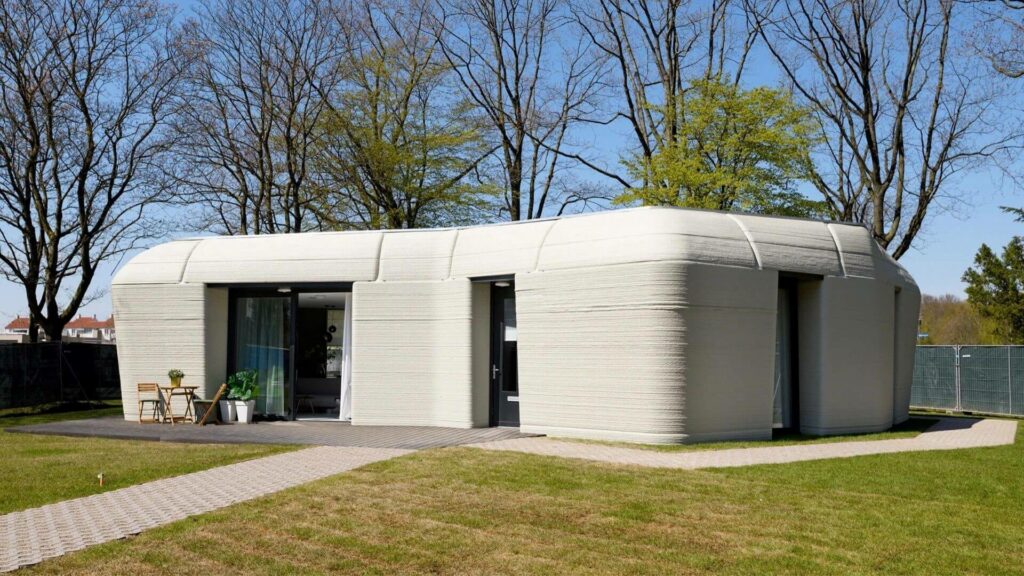
3D construction printing, also known as additive manufacturing, is a process that creates structures by depositing layers of material, such as concrete or other building materials, on top of each other in a precise and controlled manner. This innovative approach has the potential to significantly reduce the time, cost, and environmental impact of construction projects, while also improving safety and design flexibility.

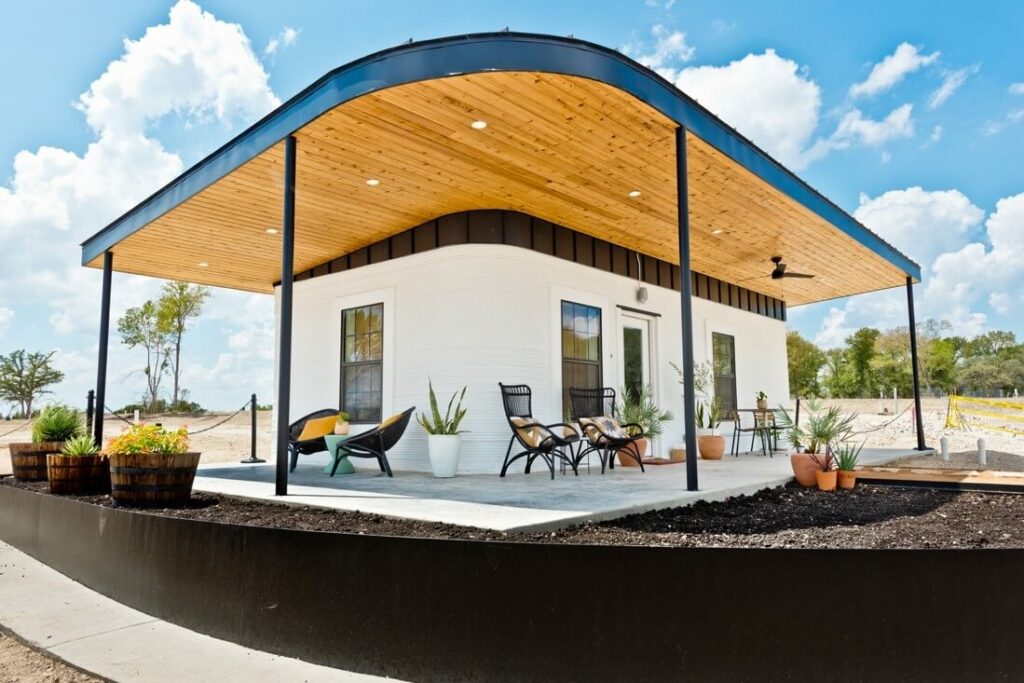
Over the past decade, we have seen a number of successful 3D construction printing projects, ranging from small-scale prototypes to fully functional homes and bridges. As the technology continues to mature, we can expect to see even more ambitious projects and applications in the near future.

Advancements in Material Science

One of the critical factors driving the growth of 3D construction printing is the development of new materials specifically tailored for this process. For example, researchers are working on advanced concrete mixes that can be extruded through 3D printers, while maintaining their structural integrity and offering improved performance characteristics.

These materials not only enable the creation of complex, custom-designed structures, but also provide the potential for incorporating new features, such as embedded sensors and self-healing properties. These advancements in material science will undoubtedly play a significant role in shaping the future of 3D construction printing.

Applications in Disaster Relief and Affordable Housing

3D construction printing has enormous potential in providing rapid, affordable, and sustainable solutions to some of the world’s most pressing housing challenges. In areas affected by natural disasters, such as earthquakes or hurricanes, 3D printed structures can be quickly deployed to provide temporary or permanent shelter for affected populations.

Furthermore, 3D construction printing can make a significant impact on the global affordable housing crisis. By reducing labor and material costs, 3D printed homes can be constructed at a fraction of the price of traditional methods, making housing more accessible for low-income families and individuals.


Implications for the Construction Industry

The rise of 3D construction printing will undoubtedly have a profound impact on the construction industry. Traditional construction methods, which often involve time-consuming and labor-intensive processes, will be challenged by this new, more efficient technology.

As a result, we can expect to see significant changes in the construction labor market, with a shift towards more specialized roles focused on the operation, maintenance, and design of 3D printers and related technologies. Additionally, the widespread adoption of 3D construction printing will likely have a ripple effect on related industries, such as architecture, engineering, and real estate.

Conclusion

The future of 3D construction printing is undeniably bright, with countless opportunities and applications on the horizon. As the technology continues to evolve and mature, it will play a vital role in shaping the future of the construction industry, providing more efficient, sustainable, and affordable solutions to some of the world’s most pressing challenges.

Are you excited about the future of 3D construction printing? Share your thoughts in the comments below!

The Importance of MEP Maintenance Services

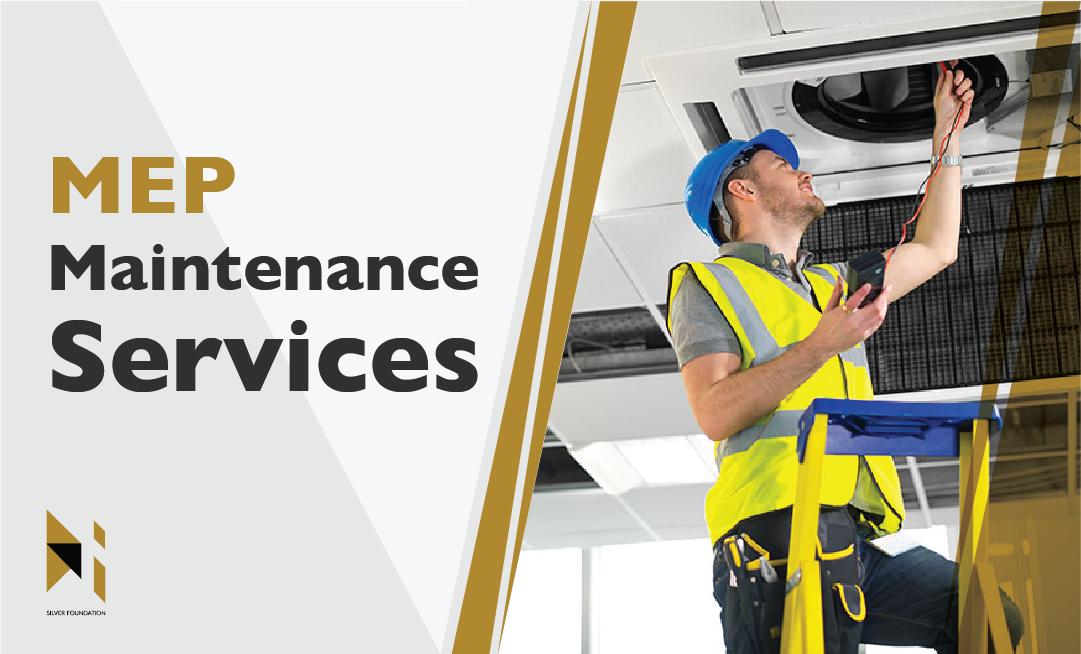
Mechanical, electrical and plumbing (MEP) systems are crucial to the operation of any building. In fact, they are considered to be one of the most important aspects of any structure because they help us function in a safe and efficient manner. However, as most people don’t have much knowledge about MEP Maintenance systems or how they should be maintained, they tend to overlook them which can lead to problems such as breakouts in electrical wiring or malfunctions with heating/cooling mechanisms. That’s why it is important that you hire a company for MEP Maintenance Services services who will check all your mechanical/electrical equipment regularly so that it remains in good working condition at all times. 

What Do MEP Service Include? 

MEP maintenance services include the following: 

  • Checking and repairing of plumbing systems 
  • Checking and repairing of mechanical systems 
  • Checking and repairing of HVAC systems 
  • Checking and repairing of air-conditioning units, refrigeration systems, electrical wiring, circuits and equipment. 

Investing in the right maintenance services can lead to more accurate and efficient work by your MEP contractors. With this in mind, we at Silver Foundation offer our clients with affordable rates on all our MEP maintenance services! 

What Are The Benefits of Using a Third Party to Perform MEP Maintenance Services ? 

  • You save time, money and effort. 
  • You can avoid costly repairs. 
  • You can avoid the risk of accidents. 
  • You can avoid lawsuits from disgruntled tenants or customers who have been injured in your building because of poor maintenance practices at MEP facilities. 
  • Maintenance services help you to extend the life of your building by ensuring that all parts are working properly and keeping them clean so they last longer than they would otherwise do without proper care and attention being paid to them on a regular basis by qualified professionals who know what they’re doing when it comes to maintaining electrical equipment such as air conditioning units or heating systems.. This means less downtime which is good news for everyone involved because nobody wants their business operations interrupted due to mechanical issues! 

Why Should You Hire A Third-Party to Perform MEP Maintenance ? 

If you’re like most companies, your company is constantly growing and evolving. As the business grows, so do its needs and requirements. Your time is valuable and there are many areas that need attention–from marketing to sales to customer service–and hiring a third-party service provider can help alleviate some of mep services in buildings responsibilities while allowing you to focus on other important tasks at hand. 

The benefits of hiring a third party include : 

Enlisting the services of a professional company can help keep your building’s MEP systems in top condition. 

The importance of MEP maintenance cannot be overstated, as it will help you avoid costly repairs and keep your facility up to code. In addition to this, it will also allow you to save money in the long run by ensuring that all of the components that make up your building’s HVAC system work properly. 

Mechanical, Electrical and Plumbing (MEP) maintenance is one of the most important activities for any building. 

It’s important to understand that MEP maintenance helps keep your building in top condition so you can get the most out of it without worrying about costly repairs down the road. When you hire a professional MEP technician to perform regular inspections, they will identify potential issues before they become serious problems–saving you time and money on repairs later on! 

If you are planning a new construction, then it is necessary to hire the services of MEP maintenance firms so that they can help you out in keeping all machines, electrical systems, air-conditioning units, HVAC units and other components in working condition after the construction process is complete. Even if your building does not have any electrical systems or mechanical equipment installed in it yet, still it is advisable that you search for an MEP maintenance services company who will be able to take care of these things. 

Conclusion 

We hope that this article has helped you understand the importance of MEP maintenance services. If you are looking for a company who can take care of all your mechanical, electrical and plumbing needs then contact us today! 

Maintaining your electrical systems and mechanical equipment is not just about fixing things when they break down. It’s about keeping the systems running smoothly so that you don’t have to deal with expensive repairs or replacements. The cost of maintenance can be quite high, but it will save you money in the long run by preventing costly repairs and replacements. 

Your Guide to restaurants Fit Out and MEP Design Saudi Arabia

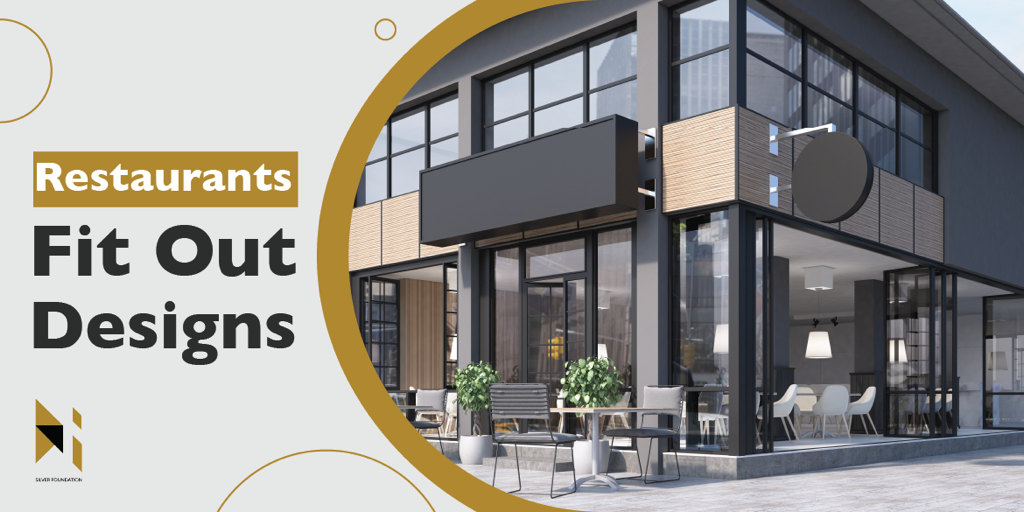
Establishing a successful restaurant, whether it is a fast food outlet or fine dining establishment, is no easy task. With so many elements to consider and so much at stake, the MEP design and fit out of your restaurant’s interior plays a vital role in its success. Here we’ll talk you through some of the key considerations when designing your space.

KSA Restaurants Design

When you’re designing a restaurant, your first point of call is the layout. This is important because it dictates how people move around and interact with each other. Once you’ve settled on the basic layout, it’s time to think about the feel of your space. Also, the lighting should be set at a comfortable level so that people can see what they are eating without being blinded by harsh overhead lights. Then , make sure there are no dead spots in your premises—no dark corners for strangers to lurk in!

Now that we’ve talked about design, let’s have a look at some other factors that go into making an eatery great for customers:

What is MEP?

MEP design is an important part of the fit out process. A well-designed and properly executed MEP system can make or break your project. In order to ensure that all systems are functioning correctly, it’s best to hire an expert who is familiar with the various regulations and guidelines that govern these systems. For example, if you don’t have enough power for your equipment or for heaters or air conditioning units, this could cause major issues with the operation of your restaurant. If the heating or ventilation system isn’t installed correctly, this could lead to health hazards such as respiratory illnesses among staff members working in poorly ventilated areas.

What is Fit out Project?

Fit out is the process of installing fixtures and equipment in a building after the building has been constructed. Fit outs can be designed to suit any purpose, but they are most often used for commercial purposes. Commonly, fit outs are used to provide additional space for businesses that require more than what was originally planned for. For example, you may decide to increase your seating capacity by adding an extra dining area or use an existing storage room as an office space for your business operations team.

Fit outs should always be planned thoroughly before any work begins; this includes things like electrical wiring and plumbing pipes being moved so they don’t get in the way of the new layout of furniture items or other fixtures. It’s important that everything is laid out appropriately because any mistakes made early on could mean having to rip out sections of walls that were already tiled over!

How to get the Quality beside the

Quality will always be the most important aspect of any restaurant. It doesn’t matter if your restaurant is a Michelin-starred establishment or a local neighborhood joint, quality should always be at the forefront of your mind.

This includes the materials used in construction and decoration (and, in turn, your budget), as well as workmanship and service delivery. Quality can also mean creating an atmosphere where all guests feel welcomed and comfortable, whether they are regulars or first timers to your establishment.

It’s important that you view every aspect of your business through this lens so that you can maximize on this crucial element

Lighting is a crucial part of fit-out

Lighting is a crucial part of fit-out, as it can affect the mood and experience of customers. Lighting should be designed to suit the space, activity and people in it.

  • Space: Lighting should be designed to create a good ambience in the restaurant. It’s important that customers are able to see their food, but also feel comfortable when they eat it.
  • Activity: The most important thing about lighting is that it suits you during your meal! For example, if you’re eating at an Asian restaurant with lots of dim lighting then this will make you feel more relaxed than if there was bright light coming from overhead lamps – this could look strange on camera too!
  • People: If there are no lights on then cameras won’t be able to pick up what’s happening on screen so we always recommend having some ambient light around even if not directly on subjects’ faces.”

Create a thriving kitchen space with effective fit-out.

  • Create a thriving kitchen space with effective fit-out.
  • A well-designed, ergonomic kitchen will increase productivity and efficiency for your team, so it’s vital that you get it right from the start. Here are some of our favourite tips for creating a great working environment:
  • Keep cooking areas clear of clutter to ensure safety, reduce waste and make sure paths are kept clear at all times.
  • Provide adequate storage options so ingredients aren’t left lying on benches or in bins while they wait to be used by chefs or servers (and remember – you want your guests’ food to look good when they see it!).

Conclusion

In the end, it’s all about what works best for your restaurant. But we hope that these tips have given you some ideas on how to make your interior design work better, and given you some insight into what makes restaurants successful. You can Contact us for any Consultation

Plans revealed for ‘world’s second tallest’ skyscraper

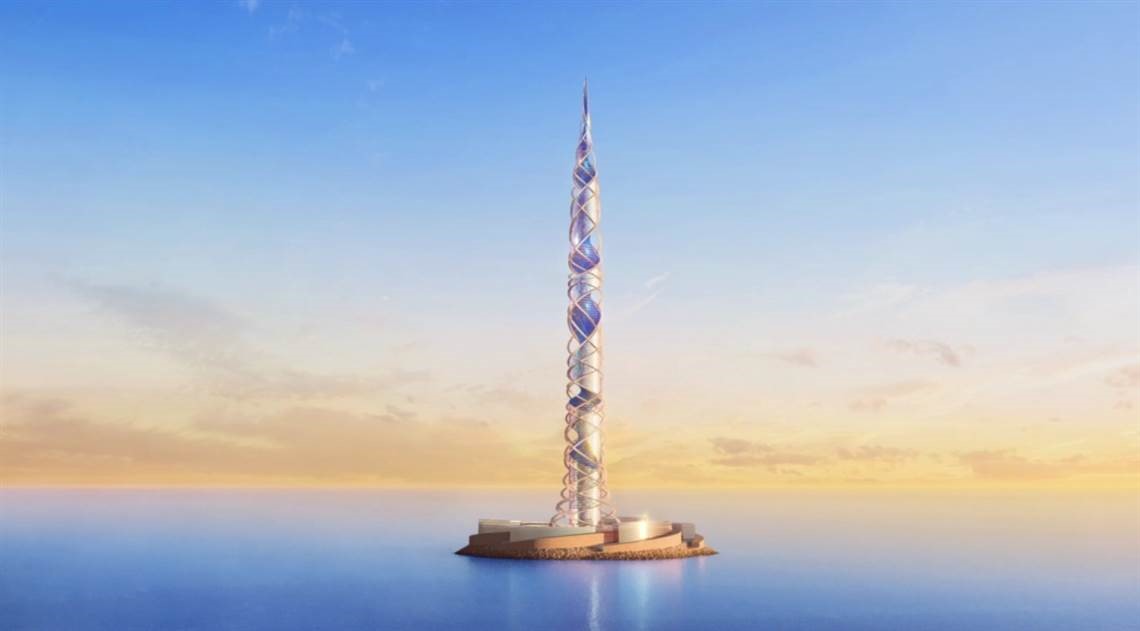
Scotland-based architecture company Kettle Collective has announced plans for what it says will be the second tallest skyscraper in the world. Currently known only of the ‘Kakhta Center II’, the tower will be built in St Petersburg, Russia, and will reach a height of 703 meters tall.

According to Kettle Collective, that means the building will be twice as tall as the 380m high Shard in London and 71m taller than China’s Shanghai Tower. While no indication of a start or completion date was given for the project, the architecture firm said the tower would have roughly 220,000m2 of accommodation space and a 590m2 top-floor viewing gallery.

Kettle Collective, which recently won the 2021 Queen’s Award for Enterprise for Sustainable Development, said the viewing gallery of skyscraper would be the highest of any building in the world. The tower’s structure will comprise eight segments, each containing 16 floors with triple-height atrium space levels and shared public facilities. A specialist in high-performance and energy-efficient structures, Kettle Collective’s design for the tower’s core incorporates multi-car lifts that will be powered by the energy generated by their own lifting movement. Tony Kettle, design Lead at Kettle Collective, said, “The new Lakhta Center will be a template of sustainable design for global high-rise projects. It will have the best-in-class low energy design and a mix of uses that will create a vertical atrium space with a vibrant center as the heart for this new business district.

How Skyscraper Design will be Unique?

“The design of skyscraper is both aesthetic and functional as it will reduce considerable wind forces that will impact the structure, in turn reducing the size of structural elements required within the building.” Described as a “complimentary development”, the Lakhta Center II tower will be built next to the 462m tall Lakhta Center, which is owned by Russian energy corporation Gazprom

Check more News about the Architectural world here in silver foundation blog that follow every new projects around the world.

Energy-efficient data centres

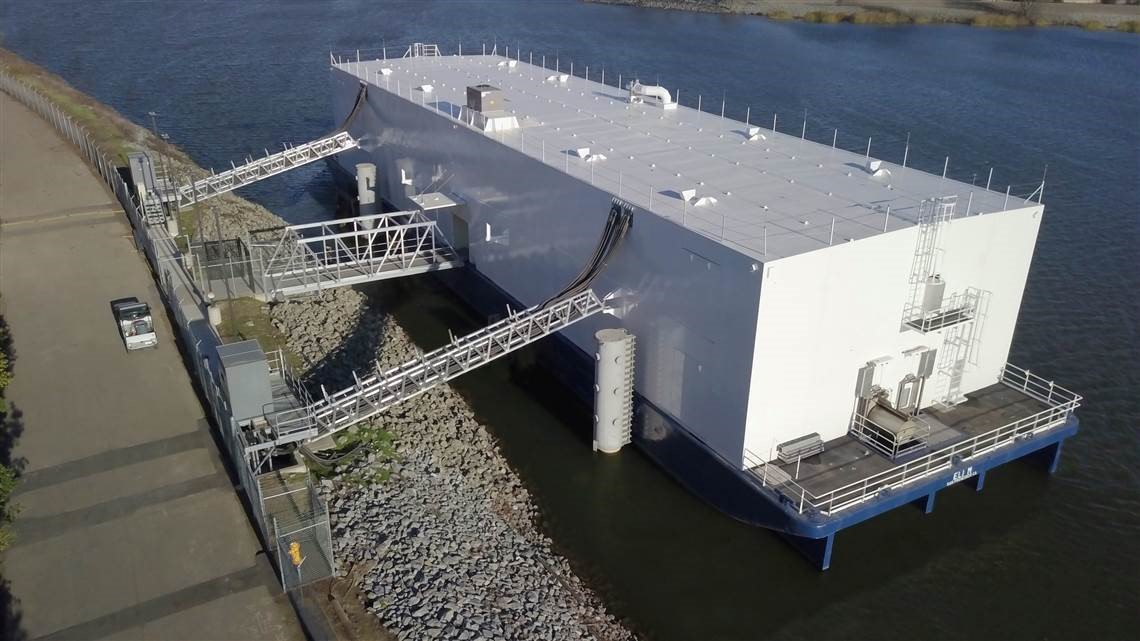
Bechtel and Nautilus Data Technologies are working together to construct data centres that use up to 70% less power for cooling and eliminate the consumption of drinking water. The building of data centres is a major trend in construction. The global market for data centre construction in 2020 was estimated to be worth US$21 billion and projected to reach US$33 billion by 2027 according to the report, Data Centre Construction – Global Market Trajectory and Analysis.

“Data centres support critical aspects of local, regional, and international economic development. As demand for these facilities continues to grow, so does the demand for the resources necessary to power and cool them,” said Peter Nelson, director of infrastructure development, Bechtel Enterprises. “Our partnership with Nautilus provides a much more environmentally sustainable solution that means we can help our customers meet soaring digital needs responsibly.”

Nautilus’ data centres enable and support the energy-intensive, high-performance servers needed for artificial intelligence and machine learning applications that are increasingly critical in smart city, smart transportation and smart grid solutions. Nautilus’ Total Resource Usage Effectiveness (TRUE) technology, is a patented closed-loop water cooling system that uses naturally cold water to keep server racks cool. Its cooling methods use 70% less power than traditional computer room air-conditioning uses for cooling, leading to a 30% net reduction in energy-related CO2 and air pollution.

The system uses naturally cold water from rivers, lakes or bays and returns all of it to its source after use.