
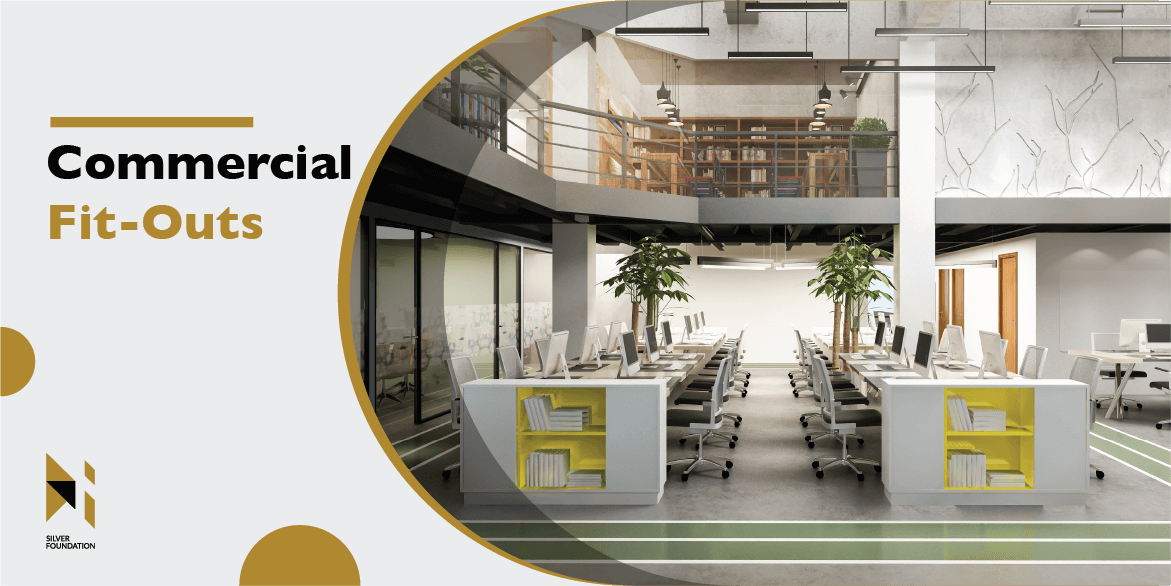
Commercial Fit-Outs: Balancing Tenant Needs and Building Requirements

When it comes to commercial fit-outs, striking the right balance between tenant needs and building requirements is crucial to ensure a successful project. As a property owner or manager, you must navigate the complexities of the design and construction process while adhering to building codes and regulations. In this blog, we will discuss the key aspects of a commercial fit-out project and offer practical tips to help you balance tenant needs with building requirements.

Understanding Commercial Fit-Outs

A commercial fit-out is the process of designing, constructing, and modifying a commercial space to meet the specific needs of a tenant. This process often involves coordinating with architects, designers, engineers, and contractors to create a space that is both functional and aesthetically pleasing.

There are three main types of fit-outs:

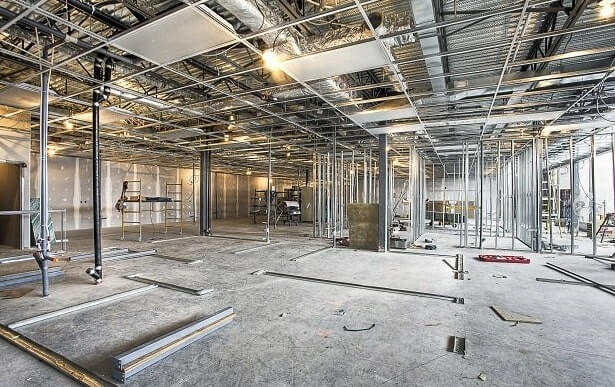
1. Shell and Core: This type of fit-out focuses on the basic structure and exterior of the building, leaving the interior open for customization by the tenant.

2. Category A: This fit-out level includes basic finishes, such as flooring, ceilings, and lighting fixtures, but does not include any tenant-specific elements.

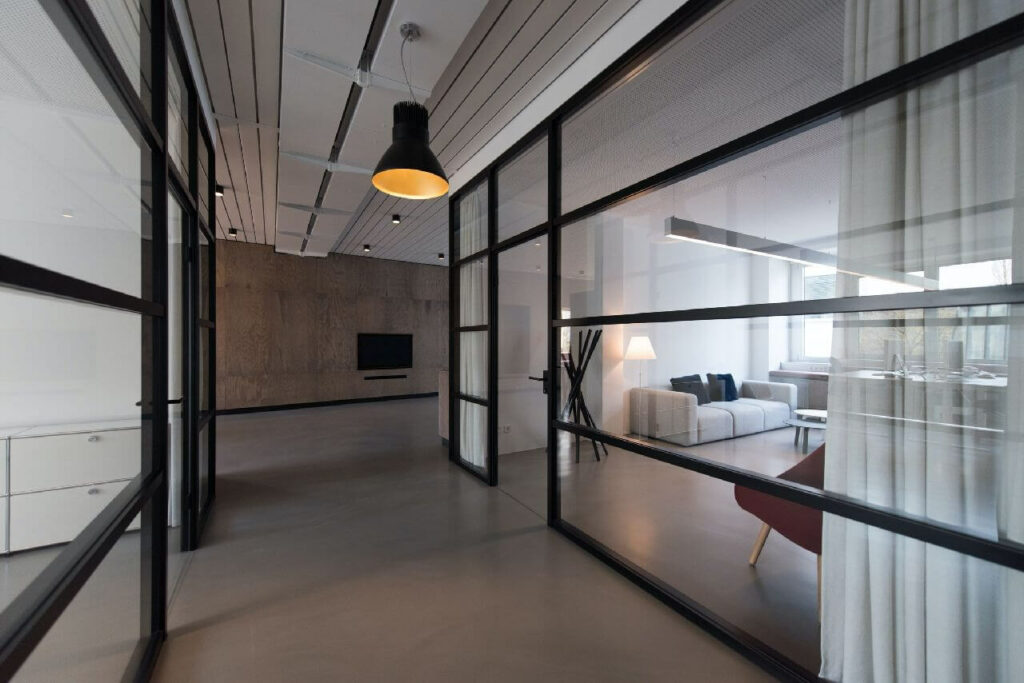
3. Category B: This is the most comprehensive type of fit-out, incorporating the tenant’s specific requirements in terms of layout, design, and branding.
Balancing Tenant Needs and Building Requirements

Communication and Collaboration

The key to effectively balancing tenant needs with building requirements is open communication and collaboration between all parties involved. Regular meetings with tenants, architects, designers, and contractors can help identify potential challenges and find solutions that satisfy both the tenant and building requirements.

Flexibility and Adaptability

It’s essential to be flexible and adaptable when working on commercial fit-out projects. Tenant needs may change as the project progresses, or new building regulations may come into play. Being open to changes and adapting the design and construction plans accordingly will ensure a successful outcome.

Consider Building Codes and Regulations

Building codes and regulations are in place to ensure the safety and functionality of a commercial space. When planning a fit-out project, it’s crucial to be aware of these regulations and incorporate them into the design and construction process. Failure to do so can lead to delays, fines, and even legal issues.

Prioritize Tenant Satisfaction

Ultimately, the success of a commercial fit-out project hinges on tenant satisfaction. Prioritize their needs and preferences throughout the design and construction process. By doing so, you’ll create a space that meets their expectations and fosters a long-lasting, positive relationship.
Practical Tips for Balancing Tenant Needs and Building Requirements

1. Develop a Comprehensive Project Plan**: Before starting a fit-out project, develop a comprehensive plan that outlines the design, construction, and timeline. This plan will serve as a roadmap for all parties involved and help keep the project on track.

2. Hire Experienced Professionals: Working with experienced architects, designers, and contractors can help ensure the success of your commercial fit-out project. They will be familiar with building codes and regulations and can find creative solutions to meet tenant needs.

3. Stay Organized: Keep detailed records of all aspects of the fit-out project, including design plans, permits, and contracts. This will help you stay organized and on top of any changes or issues that may arise.

4. Monitor Progress and Budget: Regularly monitor the progress of the project and ensure that it stays within the allocated budget. This will help you identify potential issues early on and address them before they escalate.

Conclusion

Balancing tenant needs with building requirements in a commercial fit-out project requires clear communication, flexibility, and a thorough understanding of building codes and regulations. By following these guidelines and working closely with experienced professionals, you can create a successful commercial space that meets the needs of your tenants and adheres to building requirements.
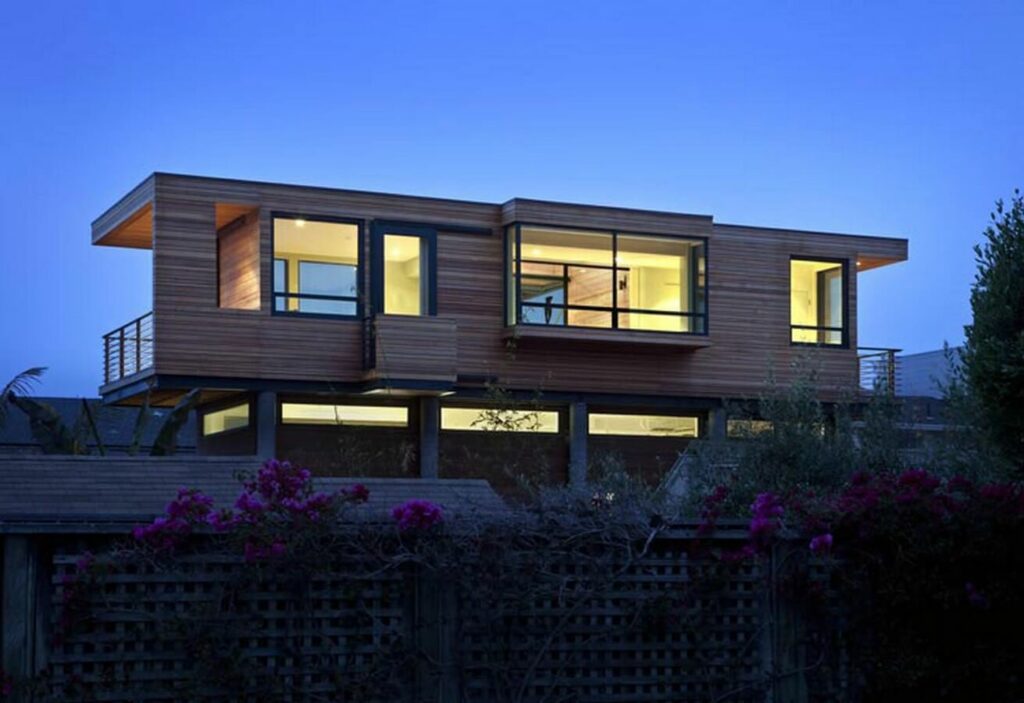
Building Resilient Cities: Climate-Adaptive Construction Techniques

Climate change has emerged as one of the most pressing challenges of our time. As global temperatures continue to rise, cities around the world are facing increasingly severe climate-related hazards, such as floods, storms, heatwaves, and rising sea levels. Building resilient cities has become an urgent priority for urban planners, architects, and engineers. This blog will explore the concept of resilient cities and discuss some of the most innovative climate-adaptive construction techniques that are helping to protect urban environments and their inhabitants from the impacts of climate change.

What is a Resilient City?

A resilient city is one that can withstand and recover from the impacts of climate change, natural disasters, and other stressors. Resilience is not only about preparing for and coping with extreme events, but also about adapting and transforming urban systems in response to long-term changes in climate and environmental conditions. Building resilient cities involves a wide range of strategies, from improving infrastructure and building design to fostering social cohesion and strengthening local economies.

Climate-Adaptive Construction Techniques

The construction sector plays a critical role in shaping the resilience of cities. By adopting innovative climate-adaptive construction techniques, we can create buildings and infrastructure that are better equipped to withstand the impacts of climate change. Some of the most promising techniques include:

Green Roofs and Walls
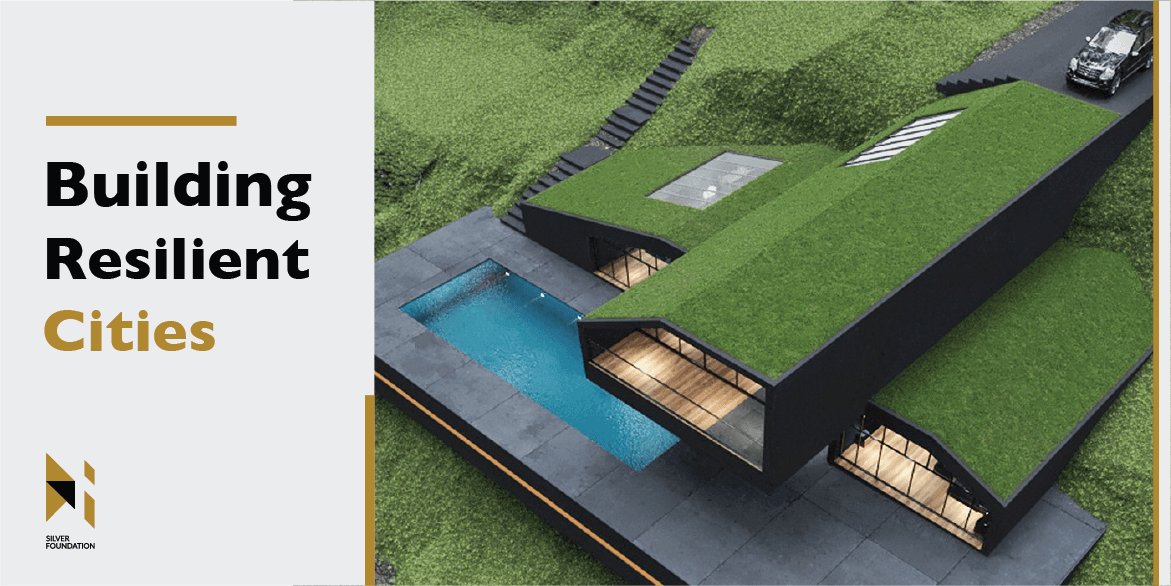
Green roofs and walls are covered with vegetation, which helps to reduce heat absorption, improve air quality, and manage storm water runoff. By acting as insulation, green roofs keep buildings cooler in the summer and warmer in the winter, reducing energy consumption and greenhouse gas emissions. Green walls can also provide a natural barrier against heat and noise pollution, improving the comfort and well-being of building occupants.

Flood-Resistant Design
Flood-resistant design involves building structures that can withstand and recover quickly from flooding events. This can include elevating buildings above anticipated flood levels, installing watertight doors and windows, and using materials that are resistant to water damage. Permeable surfaces, such as porous pavement, can also be used to help manage storm water runoff and reduce the risk of flooding in urban areas.

Cool Pavements and Surfaces
Cool pavements and surfaces are designed to reflect more sunlight and absorb less heat than conventional materials, such as asphalt. This can help to reduce the urban heat island effect, which occurs when built-up areas become significantly warmer than their rural surroundings due to the absorption and re-radiation of heat by buildings and pavements. By mitigating the urban heat island effect, cool pavements can improve air quality, reduce energy consumption, and enhance the comfort and health of urban residents.

Passive Solar Design
Passive solar design uses the sun’s energy to heat, cool, and light buildings without the need for mechanical systems. By taking advantage of natural ventilation, thermal mass, and solar orientation, passive solar design can significantly reduce the energy consumption and environmental impacts of buildings. Some key principles of passive solar design include maximizing south-facing windows, using thermal mass to store heat, and providing effective shading and insulation.

Modular and Prefabricated Construction

Modular and prefabricated construction techniques involve assembling buildings from pre-made components, which can be manufactured off-site and transported to the construction site for assembly. This approach can reduce waste, minimize disruption to the local environment, and allow for faster and more efficient construction. In addition, modular and prefabricated buildings can be designed to be more resilient to extreme weather events and natural disasters.

Conclusion

Building resilient cities is essential for protecting our urban environments and their inhabitants from the impacts of climate change. By adopting innovative climate-adaptive construction techniques, we can create buildings and infrastructure that are more resilient, sustainable, and adaptable to changing environmental conditions. By working together, urban planners, architects, engineers, and policymakers can help to ensure that our cities are better prepared for the challenges of the future.