The Future of Construction: AI’s Transformative Impact on the Industry

The construction industry is on the cusp of a revolution, with artificial intelligence (AI) paving the way for a more streamlined, efficient, and innovative future. As a vital sector responsible for the development of infrastructure, housing, and commercial spaces, the construction industry stands to benefit greatly from the integration of AI. In this blog post, we’ll explore how AI is transforming the construction business, from planning and design to execution and maintenance.
Enhanced Planning and Design

AI has the potential to revolutionize the planning and design phase of construction projects. By leveraging advanced algorithms and machine learning, AI can analyze complex data sets and generate optimized designs that take into consideration factors such as structural stability, energy efficiency, and cost constraints. This leads to faster, more accurate, and cost-effective planning and design processes. Additionally, AI-powered generative design tools can produce multiple design iterations in a matter of seconds, allowing architects and engineers to explore more possibilities and select the best option for a given project. This not only saves time and resources but also allows for the creation of more innovative and sustainable designs.

Improved Project Management

Effective project management is crucial in ensuring the success of construction projects. AI can be utilized for better project management by automating tasks, tracking progress, and identifying potential issues before they escalate. Machine learning algorithms can analyze historical data to predict project outcomes and inform decision-making, helping project managers optimize resources, reduce risks, and improve overall efficiency.
Furthermore, AI can be used to create intelligent scheduling systems that take into account factors such as weather conditions, worker availability, and supply chain disruptions to optimize project timelines and reduce delays.

Enhanced Construction Site Safety

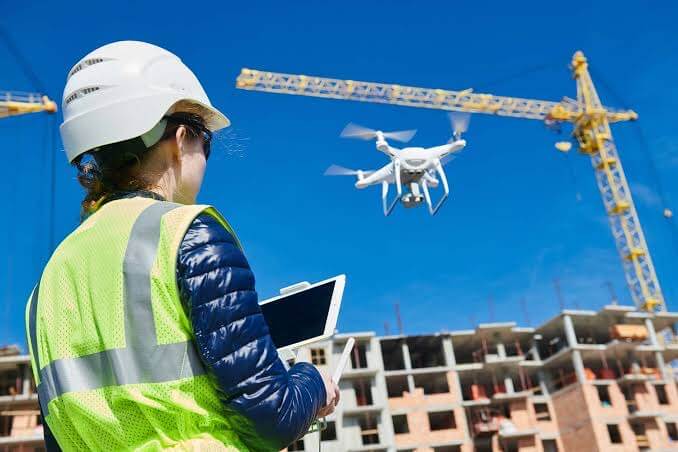
The construction industry is well-known for its hazardous working conditions, and AI has the potential to significantly improve safety on construction sites. AI-powered equipment can detect potential hazards and alert workers to unsafe conditions in real-time. Drones equipped with AI technology can also be used to monitor construction sites, identifying safety issues and providing valuable data to improve overall site safety.

Automation and Robotics

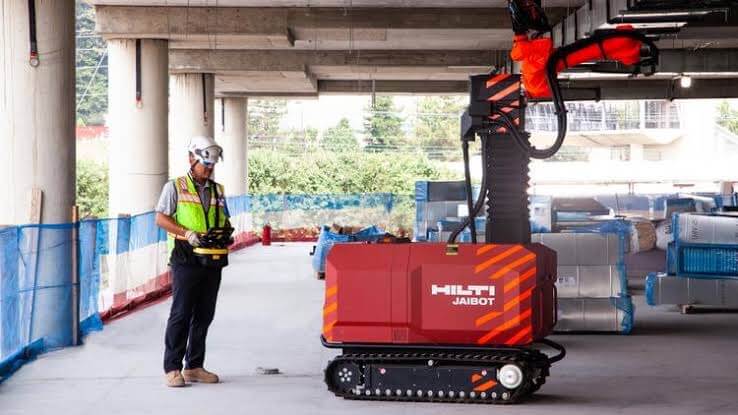
AI-driven robotics and automation are changing the way construction projects are executed. Autonomous construction equipment, such as excavators and bulldozers, can perform tasks without human intervention, leading to increased efficiency and reduced labor costs. Robotic bricklayers, for example, can lay bricks up to six times faster than a human worker, significantly accelerating the construction process.
Moreover, AI-powered robots can be used in hazardous or hard-to-reach areas, reducing the risk of injury to human workers and enabling construction in otherwise inaccessible locations.

Building Maintenance and Inspection

AI can play a crucial role in the maintenance and inspection of completed construction projects. Drones and robots equipped with AI technology can efficiently perform inspections to identify potential issues, such as structural damage, leaks, or energy inefficiencies. This data can be used to optimize maintenance schedules and ensure the longevity of buildings and infrastructure.
Conclusion

In conclusion, AI is set to have a transformative impact on the construction industry, from enhancing planning and design to automating tasks and improving safety. By embracing this technology, the construction business will be able to deliver projects more efficiently, reduce costs, and create more sustainable, innovative structures for the future.
 

The Future of Construction: AI’s Transformative Impact on the Industry

The construction industry is on the cusp of a revolution, with artificial intelligence (AI) paving the way for a more streamlined, efficient, and innovative future. As a vital sector responsible for the development of infrastructure, housing, and commercial spaces, the construction industry stands to benefit greatly from the integration of AI. In this blog post, we’ll explore how AI is transforming the construction business, from planning and design to execution and maintenance.

Enhanced Planning and Design

AI has the potential to revolutionize the planning and design phase of construction projects. By leveraging advanced algorithms and machine learning, AI can analyze complex data sets and generate optimized designs that take into consideration factors such as structural stability, energy efficiency, and cost constraints. This leads to faster, more accurate, and cost-effective planning and design processes. Additionally, AI-powered generative design tools can produce multiple design iterations in a matter of seconds, allowing architects and engineers to explore more possibilities and select the best option for a given project. This not only saves time and resources but also allows for the creation of more innovative and sustainable designs.

Improved Project Management

Effective project management is crucial in ensuring the success of construction projects. AI can be utilized for better project management by automating tasks, tracking progress, and identifying potential issues before they escalate. Machine learning algorithms can analyze historical data to predict project outcomes and inform decision-making, helping project managers optimize resources, reduce risks, and improve overall efficiency.
Furthermore, AI can be used to create intelligent scheduling systems that take into account factors such as weather conditions, worker availability, and supply chain disruptions to optimize project timelines and reduce delays.

Enhanced Construction Site Safety

The construction industry is well-known for its hazardous working conditions, and AI has the potential to significantly improve safety on construction sites. AI-powered equipment can detect potential hazards and alert workers to unsafe conditions in real-time. Drones equipped with AI technology can also be used to monitor construction sites, identifying safety issues and providing valuable data to improve overall site safety.

Automation and Robotics

AI-driven robotics and automation are changing the way construction projects are executed. Autonomous construction equipment, such as excavators and bulldozers, can perform tasks without human intervention, leading to increased efficiency and reduced labor costs. Robotic bricklayers, for example, can lay bricks up to six times faster than a human worker, significantly accelerating the construction process.
Moreover, AI-powered robots can be used in hazardous or hard-to-reach areas, reducing the risk of injury to human workers and enabling construction in otherwise inaccessible locations.

Building Maintenance and Inspection

AI can play a crucial role in the maintenance and inspection of completed construction projects. Drones and robots equipped with AI technology can efficiently perform inspections to identify potential issues, such as structural damage, leaks, or energy inefficiencies. This data can be used to optimize maintenance schedules and ensure the longevity of buildings and infrastructure.

Conclusion

In conclusion, AI is set to have a transformative impact on the construction industry, from enhancing planning and design to automating tasks and improving safety. By embracing this technology, the construction business will be able to deliver projects more efficiently, reduce costs, and create more sustainable, innovative structures for the future.


Mastering MEP Design: The Backbone of Modern Buildings

In today’s complex and interconnected world, buildings are more than just walls and roofs; they are intricate systems that provide comfort, safety, and functionality to the people who inhabit them. One of the key components of modern buildings is the integration of Mechanical, Electrical, and Plumbing (MEP) systems. In this blog, we’ll delve into the world of MEP design, exploring its importance, the role of MEP engineers, and the crucial aspects that contribute to the success of a building project.

What is MEP Design?

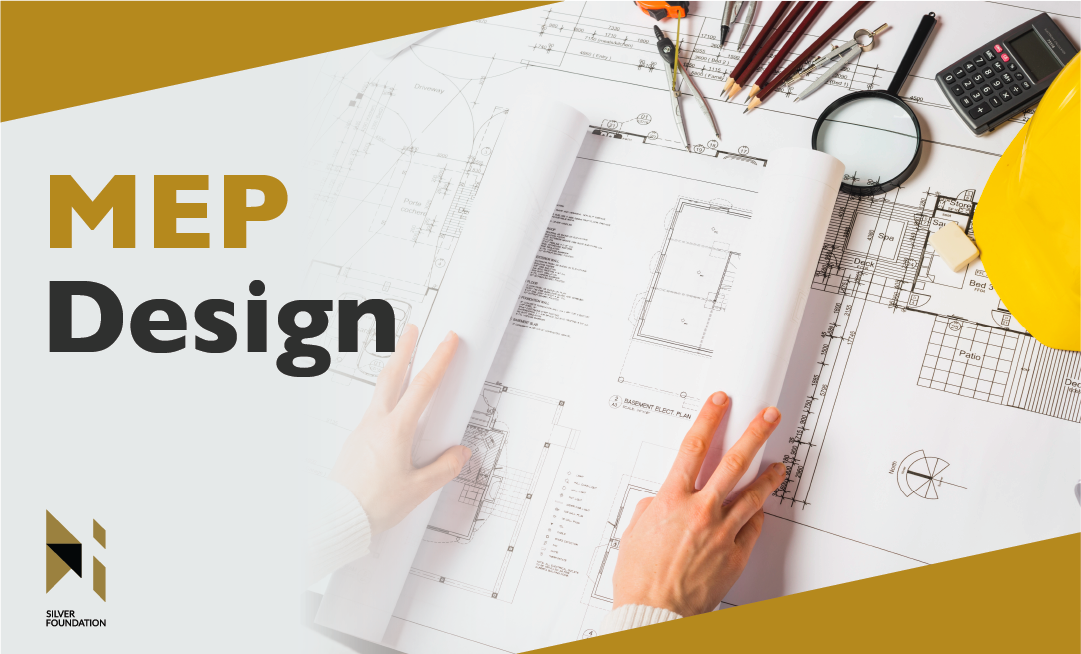
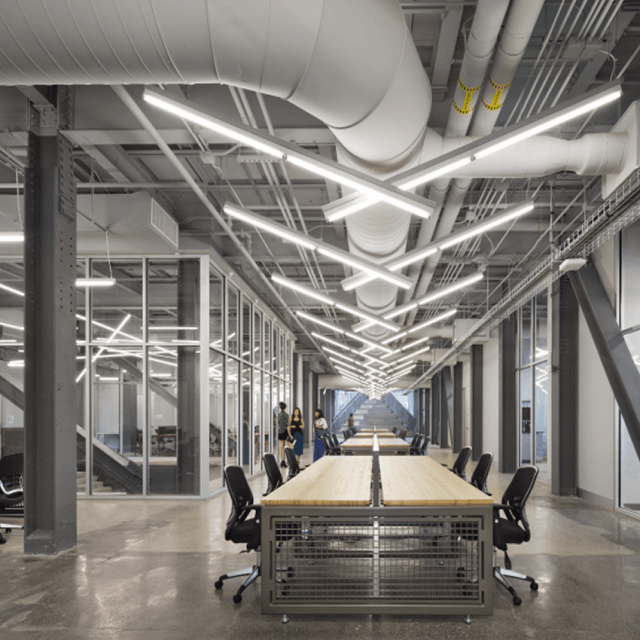
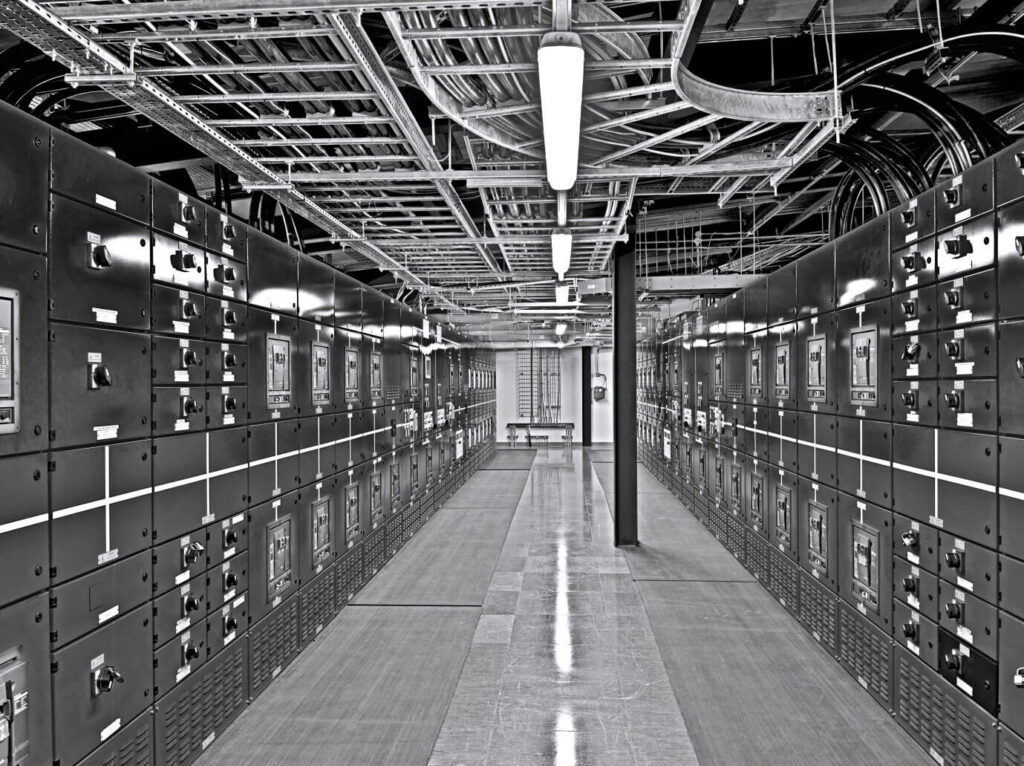
MEP design refers to the planning and coordination of a building’s mechanical, electrical, and plumbing systems. These systems are responsible for essential functions, such as temperature control, lighting, power distribution, water supply, and waste management. MEP design is a critical aspect of the overall building design process, as it ensures that these systems are seamlessly integrated and operate efficiently within the building’s structure.

The Importance of MEP Design

Effective MEP design plays a vital role in creating comfortable, safe, and efficient buildings. Some of the main reasons for its importance include:

1. Occupant Comfort: MEP systems, such as heating, ventilation, and air conditioning (HVAC), are responsible for maintaining a comfortable indoor environment, ensuring that occupants feel at ease within the building.
2. Energy Efficiency: Well-designed MEP systems minimize energy consumption, reduce greenhouse gas emissions, and contribute to a building’s overall sustainability.
3. Safety and Compliance: MEP design ensures that buildings comply with local codes and regulations, including fire safety, electrical safety, and plumbing standards.
4. Cost Effectiveness: Properly designed and coordinated MEP systems can lower construction costs, reduce maintenance expenses, and enhance the building’s long-term value.

The Role of MEP Engineers

MEP engineers are responsible for the design, planning, and coordination of a building’s mechanical, electrical, and plumbing systems. Their primary tasks include:

1. Design: MEP engineers develop detailed designs for each system, taking into consideration factors such as energy efficiency, occupant comfort, and code compliance.
2. Coordination: MEP engineers collaborate with architects, structural engineers, and other stakeholders to ensure that MEP systems are seamlessly integrated within the building’s overall design.
3. Construction Support: During the construction phase, MEP engineers provide oversight and guidance, answering questions, reviewing shop drawings, and ensuring that the installation of MEP systems adheres to the design intent.
4. Commissioning: MEP engineers participate in the commissioning process, verifying that systems are functioning as designed and making any necessary adjustments to optimize performance.

Key Aspects of Successful MEP Design

To achieve a successful MEP design, several crucial aspects must be considered:

1. Collaboration: Effective communication and collaboration among all stakeholders, including architects, structural engineers, and contractors, are essential for ensuring that MEP systems are properly integrated and meet the project’s goals and requirements.
2. Sustainability: As sustainability becomes increasingly important in the construction industry, MEP engineers must prioritize energy-efficient design solutions and incorporate renewable energy sources whenever possible.
3. Code Compliance: Navigating local codes and regulations is a critical aspect of MEP design. Engineers must ensure that systems are compliant with relevant standards, which may include fire safety, electrical safety, and plumbing codes.
4. Flexibility: MEP design should accommodate potential changes in building usage, occupants, and technology, allowing for easy modifications and upgrades in the future.
5. Maintenance and Operations: Designing MEP systems with ease of maintenance and operations in mind can help minimize long-term costs and ensure the longevity of the building’s systems.

Conclusion

MEP design is an integral part of modern building design, providing the backbone for the essential systems that make our built environment comfortable, safe, and functional. By prioritizing collaboration, sustainability, and flexibility, MEP engineers can create innovative and efficient solutions that contribute to the overall success of a building project. As technology continues to evolve and sustainability becomes an ever-present concern, the role of MEP design will only continue to grow in importance, shaping the future of our built environment.


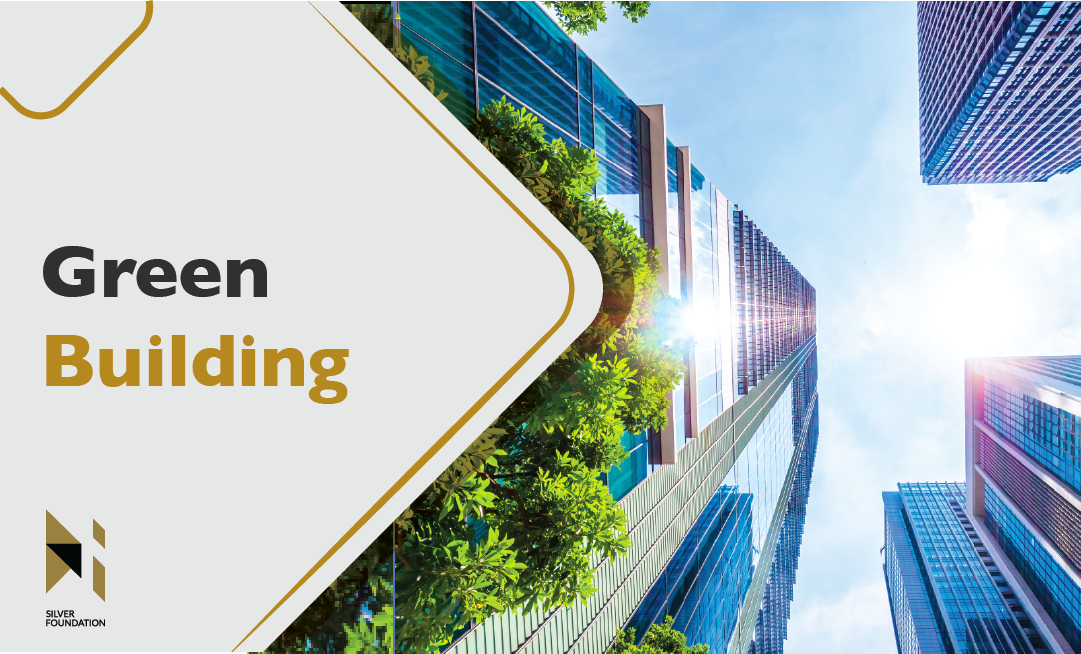
Embracing Green Building: The Future of Sustainable Construction

As concerns about environmental impact and resource efficiency continue to grow, green building has emerged as a powerful solution for a more sustainable future. In this blog, we’ll explore the concept of green building, discuss its key principles, and highlight some of the benefits it offers to both the environment and the people who inhabit these eco-friendly spaces.

What is Green Building?

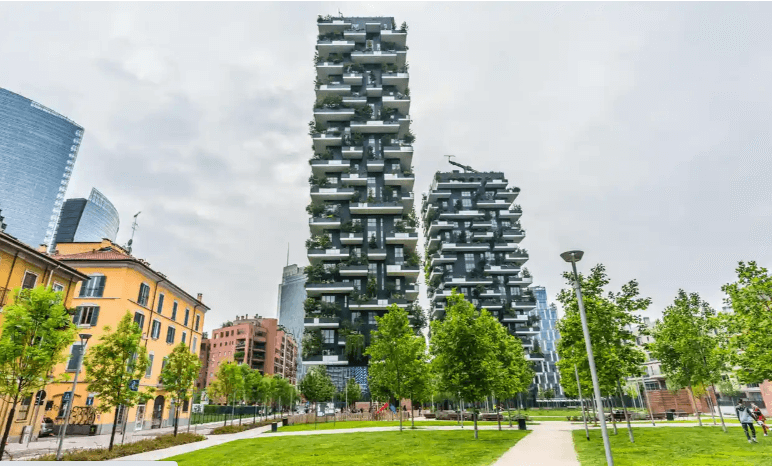
Green building, also known as sustainable or eco-friendly construction, refers to the practice of designing, constructing, and operating buildings in a way that minimizes their environmental impact, while also prioritizing the health and well-being of occupants. This holistic approach encompasses every aspect of the building process, from site selection and materials to energy efficiency and indoor air quality.

Principles of Green Building

Green building is guided by a set of key principles that aim to promote sustainability and reduce negative environmental impacts. Some of these principles include:

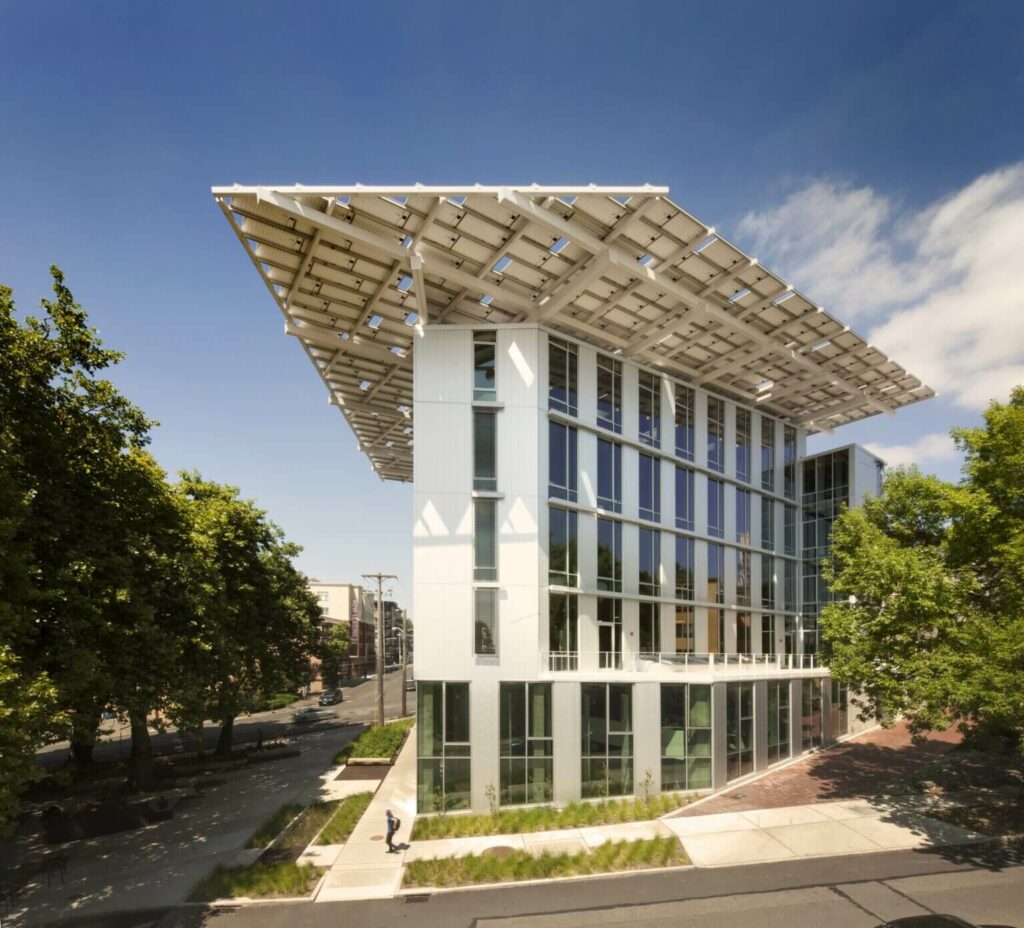
1. Energy Efficiency: Green buildings are designed to minimize energy consumption through the use of passive design strategies, high-efficiency appliances, and renewable energy sources, such as solar panels or wind turbines.

2. Water Conservation: Sustainable buildings incorporate water-saving features, such as rainwater harvesting systems, greywater recycling, and low-flow plumbing fixtures, to reduce water consumption and minimize the strain on local water resources.

3. Sustainable Materials: Green building prioritizes the use of eco-friendly, durable, and recycled materials, as well as responsibly sourced timber and other renewable resources, to reduce the environmental impact of construction.

4. Waste Reduction: Sustainable construction practices aim to minimize waste generation and promote recycling and reuse of materials throughout the building’s lifecycle, from construction and operation to demolition and deconstruction.

5. Indoor Environmental Quality: Green buildings prioritize the health and well-being of occupants by ensuring optimal indoor air quality, natural lighting, and thermal comfort.

6. Site Selection and Land Use: Sustainable building emphasizes responsible site selection, striving to minimize the impact on local ecosystems, preserve green spaces, and promote smart growth and urban infill development.

Benefits of Green Building

Embracing green building principles can lead to a wide range of environmental, economic, and social benefits:

Environmental Benefits
– Reduced Emissions: Green buildings consume less energy, which translates to lower greenhouse gas emissions and a smaller carbon footprint.
– Resource Conservation: By using sustainable materials and promoting water efficiency, green buildings help conserve valuable natural resources and reduce waste.
– Biodiversity Preservation: Responsible site selection and land use practices can help protect local ecosystems and preserve biodiversity.

Economic Benefits
– Lower Operating Costs: Energy-efficient buildings can result in significant savings on utility bills and lower maintenance costs, making them more cost-effective in the long run.
– Increased Property Value: Green buildings tend to have higher property values, as more people are recognizing the benefits of sustainable living.
– Job Creation: The growing demand for green building and sustainable practices has led to the creation of new jobs in the green construction industry.

Social Benefits
– Improved Health and Well-being: Green buildings prioritize indoor environmental quality, which can lead to better health outcomes and increased productivity for occupants.
– Community Connectivity: Sustainable buildings often emphasize accessibility and connectivity, fostering a sense of community and promoting walkability and public transportation.

The Future of Green Building

As awareness of the environmental and health benefits of green building continues to grow, so does the demand for sustainable construction. Innovations in technology and materials, as well as the development of green building certifications, such as LEED and BREEAM, are driving the industry towards a more sustainable future.
By embracing green building principles, we can create a built environment that not only minimizes environmental impact but also improves the quality of life for those who live and work within these spaces. The future of construction lies in green building, and the time to act is now.

Conclusion

Green building represents a transformative shift in the way we approach construction, recognizing the need for a more sustainable and responsible approach to building design, materials, and operations. As we move forward, it is crucial that architects, developers, policymakers, and individuals alike embrace the principles of green building to create a lasting positive impact on our environment and the well-being of future generations. By prioritizing sustainability and eco-friendly practices, we can collectively contribute to a cleaner, healthier, and more resilient world, where both people and the planet can thrive.


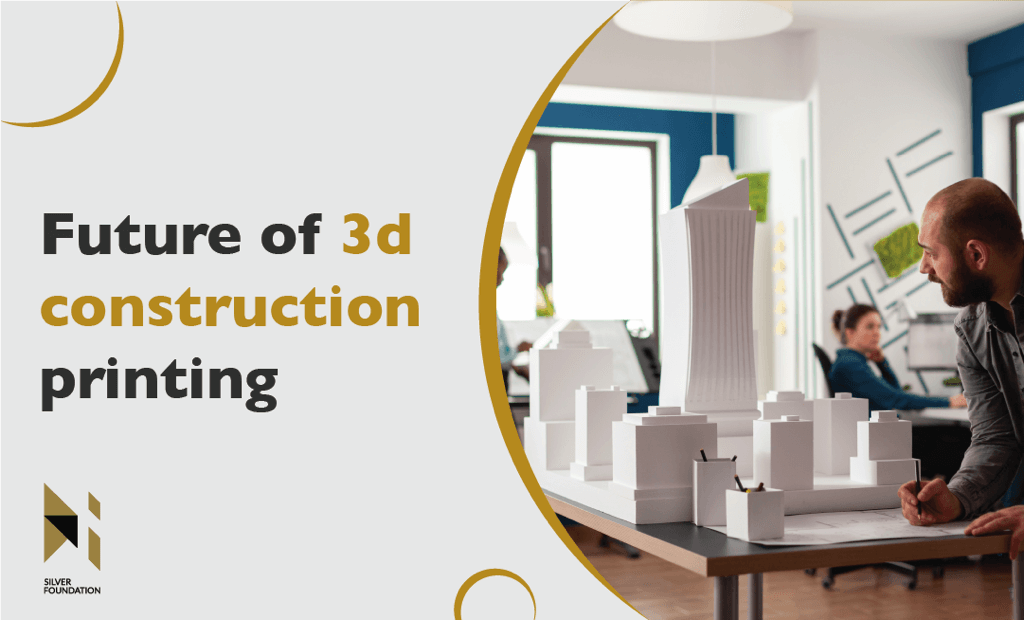
The Future of 3D Construction Printing: A Revolution in the Building Industry

As we look into the future of construction, it’s impossible to ignore the impact that 3D construction printing is having on the industry. This technology is rapidly evolving, bringing about a revolution in the way we design, build, and maintain structures. In this blog, we’ll explore some of the most promising advancements and applications of 3D construction printing, and discuss the potential implications for the construction industry as a whole.


The Emergence of 3D Construction Printing

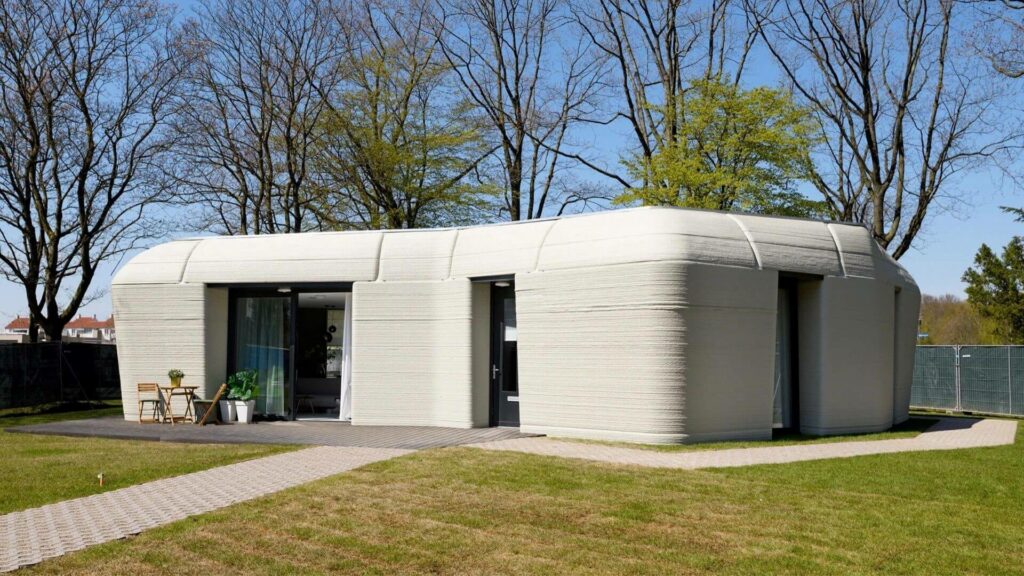
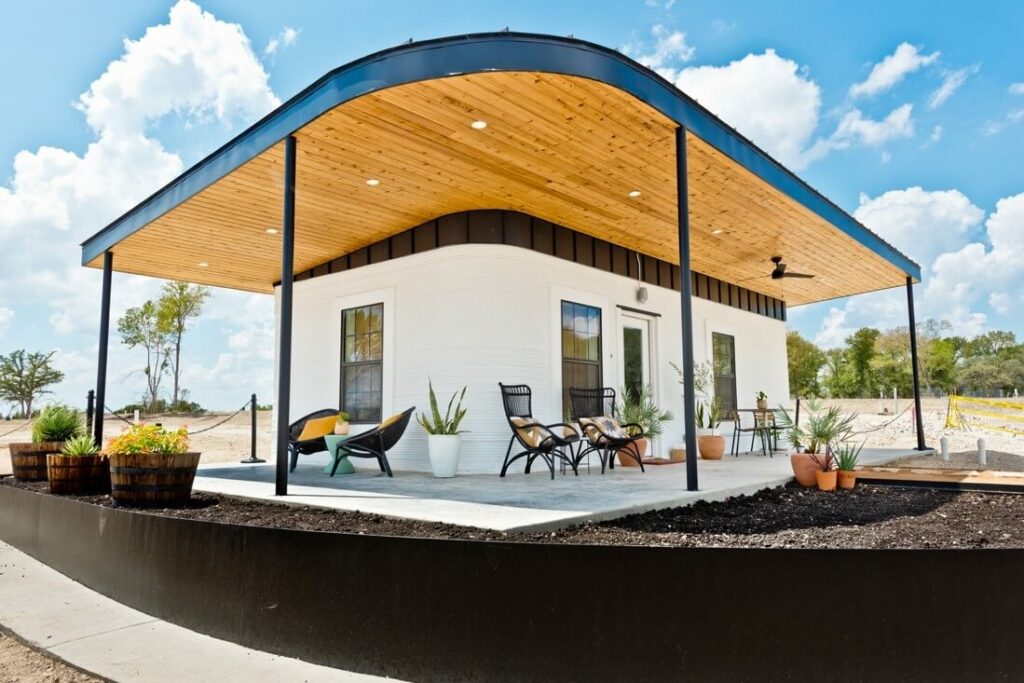
3D construction printing, also known as additive manufacturing, is a process that creates structures by depositing layers of material, such as concrete or other building materials, on top of each other in a precise and controlled manner. This innovative approach has the potential to significantly reduce the time, cost, and environmental impact of construction projects, while also improving safety and design flexibility.

Over the past decade, we have seen a number of successful 3D construction printing projects, ranging from small-scale prototypes to fully functional homes and bridges. As the technology continues to mature, we can expect to see even more ambitious projects and applications in the near future.

Advancements in Material Science

One of the critical factors driving the growth of 3D construction printing is the development of new materials specifically tailored for this process. For example, researchers are working on advanced concrete mixes that can be extruded through 3D printers, while maintaining their structural integrity and offering improved performance characteristics.

These materials not only enable the creation of complex, custom-designed structures, but also provide the potential for incorporating new features, such as embedded sensors and self-healing properties. These advancements in material science will undoubtedly play a significant role in shaping the future of 3D construction printing.

Applications in Disaster Relief and Affordable Housing

3D construction printing has enormous potential in providing rapid, affordable, and sustainable solutions to some of the world’s most pressing housing challenges. In areas affected by natural disasters, such as earthquakes or hurricanes, 3D printed structures can be quickly deployed to provide temporary or permanent shelter for affected populations.

Furthermore, 3D construction printing can make a significant impact on the global affordable housing crisis. By reducing labor and material costs, 3D printed homes can be constructed at a fraction of the price of traditional methods, making housing more accessible for low-income families and individuals.


Implications for the Construction Industry

The rise of 3D construction printing will undoubtedly have a profound impact on the construction industry. Traditional construction methods, which often involve time-consuming and labor-intensive processes, will be challenged by this new, more efficient technology.

As a result, we can expect to see significant changes in the construction labor market, with a shift towards more specialized roles focused on the operation, maintenance, and design of 3D printers and related technologies. Additionally, the widespread adoption of 3D construction printing will likely have a ripple effect on related industries, such as architecture, engineering, and real estate.

Conclusion

The future of 3D construction printing is undeniably bright, with countless opportunities and applications on the horizon. As the technology continues to evolve and mature, it will play a vital role in shaping the future of the construction industry, providing more efficient, sustainable, and affordable solutions to some of the world’s most pressing challenges.

Are you excited about the future of 3D construction printing? Share your thoughts in the comments below!