Key HVAC Regulations and Standards in Saudi Arabia

Construction and improvements take place throughout the world and the year. Different sets of teams and professionals combine to perform tasks and projects that result in a masterpiece of a project. When it comes construction of buildings such as commercial buildings like shopping malls, retail stores, and offices, there are more things to look out for than mere a gray structure. At the time of planning, development, and designing such complex and highly critical places require a key factor at their disposal, an MEP system plan. MEP is highly critical, valuable, and necessary for any complex building or a place of high public interest. 

Saudi Arabia has seen its fair share of economic rise, development, and tourism incoming in recent times. And there is little doubt that the country knows how to keep on the pace of this new road to development with high-standard products. MEP is widely practiced and performed in the Kingdom by professional companies such as Silver Foundation. These companies perform complex and professional tasks within a strict timeline with ease. However, they do have to meet strict Saudi Arabian protocols, requirements, and regulations when it comes to MEP planning, designing, and implementing the system. So here’s our take on what you need to know when it comes to MEP and HVAC in particular in Saudi Arabia. 

Saudi Building Code or SBC

Every country in the world follows a standardized system for different types of work within its boundaries. While some of the standards are incorporated from global regulations and rules defined, often a country can introduce its rules and regulations based on global standards with a few improvements. The purpose of providing an improved set of regulations and requirements is due to a country’s infrastructure and environment that forces certain considerations to be kept. Hence, like in many countries, Saudi Arabia has its set of standards, regulations, and codes that must be abided by when it comes to HVAC regulations and requirements. Some of these codes are:

  • Saudi Construction Codes (SBC 301-306)
  • Saudi Energy Codes (SBC 601-602)
  • The Saudi Green Construction Code (SBC 1001)
  • The Saudi Fire Protection Code (SBC 801)
  • The Saudi Existing Building Code (SBC 901)
  • Saudi Sanitary Codes (SBC 701-702)
Foundation of MEP Standards in Saudi Arabia

The foundation of standards is based on certain codes and regulations that guide them. In Saudi Arabia, the Saudi Building Code authorizes and directs different regulations regarding MEP. MEP is highly critical for construction projects and with construction projects increasing significantly in Saudi Arabia, there is a wide requirement for MEP applications. Saudi Arabia promotes and requires improved and innovative MEP systems practices established for which it provides codes and guidelines. This is an attempt to ensure the Kingdom’s vision towards a prosperous, green, safe, and reliable neighborhood within its boundaries. For this, there are different types of strict, law-abiding, and significant measures being taken especially in the field of construction. And you will find them significantly in the MEP systems. Here’s an overview of different kinds of requirements in an MEP system. 

HVAC Regulations 

HVAC is considered one of the backbone sub-systems of an MEP system. An MEP system is divided into smaller sub-systems that combine to form a bigger system known as the MEP. HVAC is the sub-system that is one of the pillars of the mechanical branch of an MEP system. HVAC stands for heating, ventilating, and air-conditioning and is the basic and foremost requirement of any complex building. The need for an HVAC system is to ensure that air quality inside any building is met with standards and there is an efficient circulation of air within the building. 

The Need

When it comes to SBC, requirement from an HVAC system is that it adheres to energy efficiency. This is since there are high temperatures across the country, maintaining an ambient temperature and atmosphere inside a building is key. To achieve this, a considerable amount of energy is required. By following the regulations, an energy-efficient method must be adopted to conserve energy. Similarly, fine climate control system must be implemented within the building to meet the same needs. All of this is essential while keeping climate of the country in check. 

Electrical Regulations 

For any building, finely laid electrical wiring and network are essential for safety. Building safety is highly critical and electrical wiring systems contribute significantly to a building’s safety. In addition, the electrical system comprises many factors such as power distribution, power boxes, electrical wiring networks, and electrical equipment installation. When all such factors are considered and performed as per planned, they exhibit a fine electrical system. Everything within an electrical system must be up to the standards of the SBC’s rules, regulations, and requirements. 

The Need

Electrical wiring and other electrical installations pose a threat to safety if not installed properly. For this, it is imperative that electrical equipment, wiring, and network installation are up to the mark without any room for safety loopholes. Power distribution must be kept by the laws and standards and energy consumption standards must be met for minimal energy consumption and high energy conservation. In short, safety must be considered significantly when planning and installing an electrical system.

Plumbing and Water Regulations 

The third system in an MEP system is the Plumbing system. Plumbing systems are highly effective, essential, and substantial when it comes to a building’s construction. It is because for any building, water propagation and transmission are necessary but it will be of no use if there is water dispersion, loss, and seepage within the system. Water propagation systems need to be highly effective, efficient, and foolproof to fulfill the purpose. If not, there will be problems that may be worse than they may look in the first instance. To combat these scenarios beforehand, you must follow the SBC’s code regarding plumbing and water regulations. 

The Need

As per the SBC’s code regulations, water conservation must be kept in remembrance when planning and designing an MEP system. Quality control and efficient waste management protocols must be adhered to in every aspect of plumbing system design. 

"Conclusion"

“Understanding Saudi Arabia’s codes and regulations regarding construction works is key, difficult, and imperative in every respect. For this, any contractor, stakeholder, and landlord must have a sound and profound knowledge of the codes and regulations. Silver Foundation and other top MEP contractors and firms follow these codes and regulations to the full and in every inch. “

Frequently Asked Questions

What is MEP?

MEP refers to Mechanical, Electrical, and Plumbing and is a core aspect of construction projects. 

What is the most important sub-system of an MEP system?

The mechanical system is the most important sub-system of an MEP system. 

Which service comprises the major chunk of the mechanical sub-system?

HVAC is the primary service of the mechanical sub-system.  

Which authority described the regulations and laws for construction projects in KSA?

The Saudi Building Code defines the laws, codes, and regulations regarding construction in KSA.

How many codes are available by the SBC regarding construction?

There are six codes available regarding construction, namely:

  • Saudi Construction Codes (SBC 301-306)
  • Saudi Energy Codes (SBC 601-602)
  • The Saudi Green Construction Code (SBC 1001)
  • The Saudi Fire Protection Code (SBC 801)
  • The Saudi Existing Building Code (SBC 901)
  • Saudi Sanitary Codes (SBC 701-702)
HVAC Inspection Services in Riyadh

Maintaining an efficient indoor environment is important in modern buildings and facilities. The Heating, Ventilation, and Air Conditioning system is a main element in achieving this. Regular inspections of HVAC systems are required to ensure optimal performance and energy efficiency.

HVAC System Inspection Services are designed to provide a comprehensive analysis of your heating and cooling infrastructure, identify potential issues, improve efficiency, and extend your equipment’s lifespan. Whether you are a homeowner, business owner, or facility manager, you need a thorough and reliable HVAC inspection. In this fast-paced era of advancing technology and evolving regulations, staying ahead of  maintenance is necessary. 

What is HVAC Inspection?

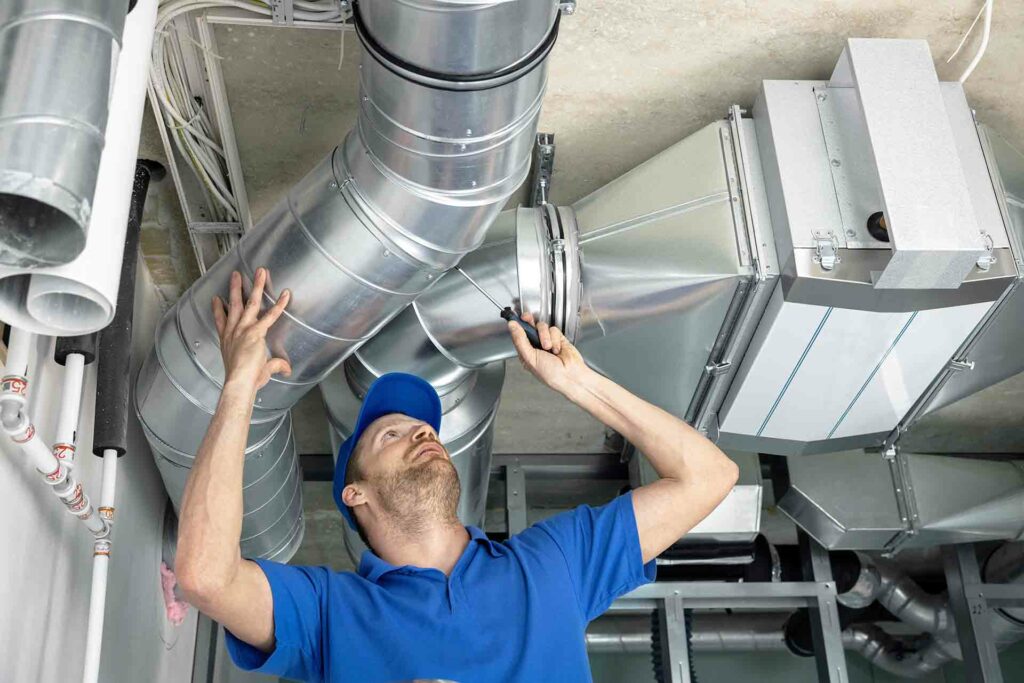
An HVAC (Heating, Ventilation, and Air Conditioning) system inspection is a complete evaluation to assess the condition, performance, and efficiency of a building’s climate control infrastructure. This service examines different components, including heating units, air conditioning systems, ventilation setups, ductwork, controls, and associated equipment. The primary goal is identifying potential issues, such as wear and tear, inefficiencies, or safety concerns, allowing for timely maintenance or corrective actions.

During a system inspection, trained technicians utilize advanced tools and techniques to measure airflow, temperature differentials, and overall system performance. The inspection includes reviewing electrical components, refrigerant levels, and control systems to ensure they are functioning optimally. By pinpointing areas of improvement and handling potential problems early on, inspections enhance system longevity and create a healthier indoor environment for occupants. Regular HVAC system inspections are a proactive approach to preventive maintenance, minimizing the risk of unexpected breakdowns and optimizing the overall performance of climate control systems in residential, commercial, or industrial settings.

HVAC
HVAC inspection

Why Do You Need HVAC System Inspection Services?

Regular HVAC system inspection services are essential for maintaining a perfect indoor environment while providing better heating, ventilation, and air conditioning system performance. Over time, systems can collect dust, debris, and wear and tear, reducing efficiency and costly repairs if addressed. Scheduled inspections help identify and manage these issues early on, preventing them from escalating into major problems. For example, a clogged air filter in a system can restrict airflow, causing the system to work harder and consume more energy. This results in higher utility bills and places unnecessary stress on the equipment, potentially leading to premature failure. Regular inspections would catch such issues, allowing for timely filter replacements and ensuring the system operates efficiently. Besides, inspections can identify refrigerant leaks, electrical problems, or incapable components, all of which, if undetected, could compromise the system’s performance and compromise indoor air quality. Moreover, HVAC inspections contribute to energy conservation by optimizing efficiency. Energy-efficient systems reduce operational costs and align with sustainability goals, making them a prudent investment for residential and commercial property owners.

Benefits of Hiring HVAC System Inspection Services

Enhanced Energy Efficiency: 

HVAC inspections optimize system performance, reducing energy consumption and lowering utility bills. For example, identifying and fixing air leaks in ductwork can prevent energy wastage, ensuring the system operates at peak efficiency.

Prolonged Equipment Lifespan:

Regular inspections catch potential issues early, preventing wear and tear that can lead to costly repairs or premature system failure. Timely replacing damaged components, such as belts or filters, improves equipment longevity.

Compliance with Regulations:

HVAC inspections help ensure environmental and safety regulations compliance, avoiding potential fines or legal consequences. Regular checks on refrigerant levels, for example, prevent leaks that may violate ecological standards.

Optimized Comfort Levels:

HVAC system inspections ensure consistent temperature and humidity levels, providing a cozy environment for occupants. Proper calibration of thermostats and zone controls guarantees precise climate control, enhancing overall satisfaction.

Increased Property Value:

A well-maintained HVAC system increases the overall value of a property. Potential buyers or tenants are more inclined to invest in a property with a reliable and operating climate control system, positively impacting the property’s market value.

Early Detection of Safety Hazards:

Inspections identify potential safety concerns, such as gas leaks or faulty electrical components, minimizing the risk of accidents or emergencies. For example, detecting a gas leak early prevents health hazards and ensures the safety of occupants.

Sustainable Practices:

The inspections support sustainability efforts by promoting energy-efficient practices. Adjusting system settings, upgrading to eco-friendly components, and ensuring proper insulation contribute to a reduced carbon footprint, aligning with environmental conservation goals.

Improved Indoor Air Quality: 

During inspections, identifying and handling issues like mold growth or clogged air filters ensures a healthier indoor environment, reducing allergens and pollutants circulating through the system.

Cost Savings:

Proactive maintenance through inspections minimizes the risk of major breakdowns, saving on emergency repair costs and preventing business disruptions or uncomfortable living conditions.

Prevention of Costly Repairs:

Regular inspections allow identifying and resolving minor issues before they escalate into major problems. This preventive approach reduces the likelihood of expensive repairs, saving time and money.

Hire the Best HVAC System Inspection Services in Saudi Arabia

Upgrade your indoor comfort with the best HVAC System Inspection Services in Saudi Arabia! Our expert technicians ensure optimal performance, energy efficiency, and prolonged equipment lifespan. Uncover potential issues before they escalate, preventing costly repairs. Enjoy a comfortable and safe environment with thorough inspections, detecting safety hazards, and ensuring compliance with regulations. We prioritize your satisfaction, delivering detailed reports and transparent communication. Don’t compromise on quality work and budget. Choose us for reliable HVAC inspections that go beyond routine checklists. Hire the best contractor for your project success.

Frequently Asked Questions

What is HVAC Inspection?

An HVAC inspection evaluates a building’s heating, ventilation, and air conditioning (HVAC) system to ensure optimal functionality and identify potential issues.

Why Do You Need HVAC System Inspection Services?

HVAC inspections are essential for maintaining indoor comfort, preventing costly repairs, and ensuring better performance and efficiency of HVAC systems.

What Are the Key Benefits of HVAC Inspections?

Key benefits include improved energy efficiency, extended equipment lifespan, better indoor air quality, cost savings, increased property value, and compliance with regulations.

Why Choose Professional HVAC Inspection Services?

Professional services offer expertise, thorough inspections, transparent communication, compliance assurance, and peace of mind regarding the HVAC system’s condition.

The Role of Professional HVAC Services in Energy Efficiency

Heating, Ventilation, and Air Conditioning (HVAC) systems play an integral role in providing comfort and maintaining the air quality in our homes and workplaces. However, these systems can also be significant energy consumers. As global awareness about energy efficiency and environmental sustainability heightens, the role of professional HVAC services in promoting energy efficiency cannot be overstated.

The Importance of Energy Efficiency in HVAC Systems

Energy efficiency refers to the process of reducing energy consumption by using less energy to perform the same function. In the context of HVAC systems, energy-efficient models use less energy to heat or cool a space, resulting in lower utility bills and a reduced carbon footprint.

The U.S. Department of Energy estimates that heating and cooling account for about half of a typical home’s energy usage. Hence, improving the energy efficiency of your HVAC system can lead to considerable energy and cost savings. Moreover, an energy-efficient HVAC system can reduce greenhouse gas emissions, contributing to environmental sustainability.

How Professional HVAC Services Enhance Energy Efficiency

Proper Installation

The energy efficiency of an HVAC system starts with its installation. A poorly installed system can consume more energy and lead to higher utility bills. Professional HVAC technicians have the training and expertise to install systems properly, ensuring they operate at peak efficiency. They consider several factors during installation, including sizing the system correctly for the space and ensuring proper sealing of ducts.

Regular Maintenance

Regular maintenance is vital to keep your HVAC system running efficiently. Over time, various components of the system, such as filters and coils, can become dirty or worn out, reducing the system’s efficiency. A professional HVAC service provider can conduct regular check-ups, clean components, and replace parts as needed, ensuring the system operates at its optimum efficiency.

System Optimization

Professional HVAC services do not just stop at installation and maintenance; they also optimize the entire system for better performance. This process may involve adjusting airflow rates, calibrating thermostats, or optimizing the system’s controls to better match your usage patterns. Such optimization can significantly improve energy efficiency.

Timely Repairs

Even minor issues can cause your HVAC system to work harder than necessary, consuming more energy. Professional HVAC technicians can diagnose and fix problems early, before they escalate into major issues that require more energy and cost more to fix.

The Role of Advanced Technologies

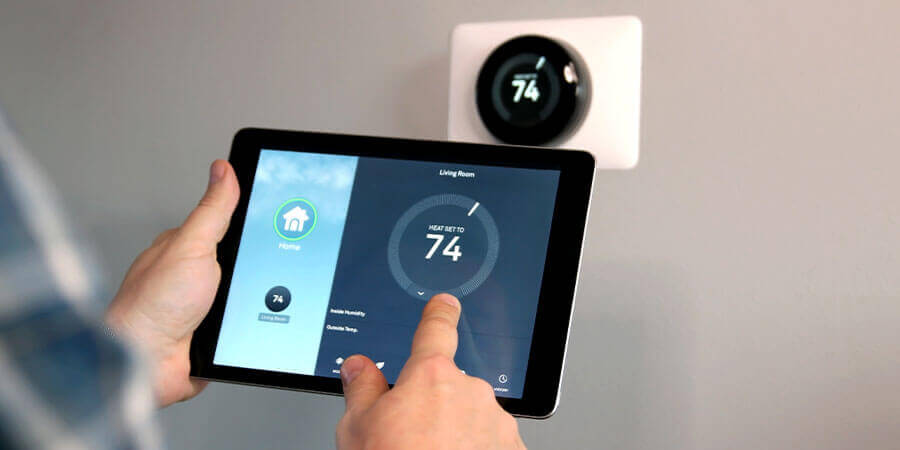
Advancements in technology are further enhancing the role of professional HVAC services in promoting energy efficiency. For instance, many service providers now use smart thermostats and sensors to monitor HVAC performance in real-time. These devices can identify inefficiencies quickly, allowing for timely interventions that improve energy efficiency.

Moreover, some HVAC service providers are leveraging data analytics and AI to predict potential system failures and conduct preventative maintenance. These predictive maintenance strategies can improve energy efficiency by ensuring the system is always performing at its best.

Conclusion

In the quest to reduce energy consumption and promote environmental sustainability, the role of professional HVAC services is pivotal. From proper installation and regular maintenance to system optimization and timely repairs, these services play a crucial role in ensuring your HVAC system is as energy-efficient as possible. By investing in professional HVAC services, you are not only saving on energy costs but also contributing to a more sustainable future.